
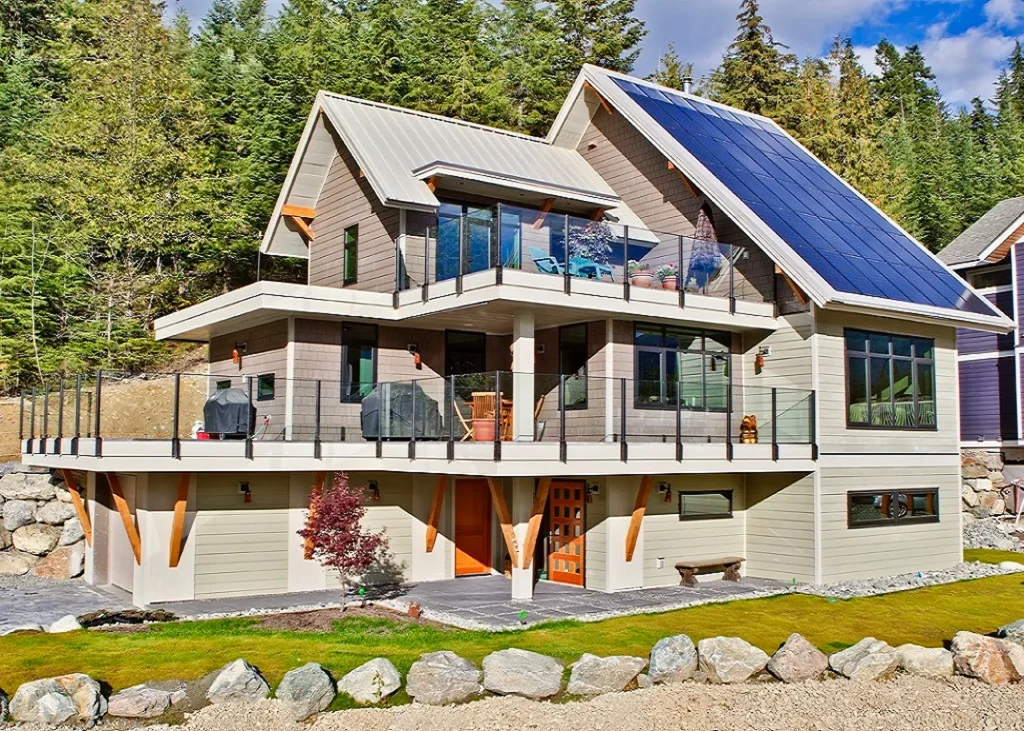
As the demand for sustainable living grows, more homeowners are exploring how net-zero homes produce energy and the renewable systems that make this possible. These innovative residences are designed to generate as much energy as they consume over the course of a year, dramatically reducing utility bills and environmental impact. Understanding the technologies and strategies behind these homes can help you decide if this approach is right for your next build or renovation.
Net-zero homes rely on a combination of efficient design, advanced building materials, and renewable energy sources. By integrating solar panels, high-performance insulation, and smart energy management, these homes achieve a delicate balance between consumption and production. If you’re considering the financial side of such a project, resources like the budget planning net-zero home construction guide can provide valuable insights early in your journey.
What Makes a Home Net-Zero?
A net-zero home is constructed or retrofitted to minimize energy loss and maximize on-site energy generation. The goal is to achieve an annual energy balance—producing as much clean energy as the home uses. This is accomplished through a combination of energy-efficient building envelopes, smart appliances, and renewable generation systems.
Key components include:
- High-performance insulation and airtight construction
- Energy-efficient windows and doors
- Advanced heating, ventilation, and air conditioning (HVAC) systems
- On-site renewable energy generation, most commonly solar panels
- Energy monitoring and smart controls
For a deeper dive into sizing and installing solar arrays, the solar panels for net-zero homes guide offers practical advice tailored to residential projects.
Renewable Energy Systems in Net-Zero Homes
The backbone of any net-zero home is its ability to generate renewable energy on-site. Let’s explore the most common technologies used to achieve this goal and how they interact to create a balanced energy profile.
Solar Photovoltaic (PV) Panels
Solar PV systems are the most widely used renewable energy source in net-zero construction. These panels convert sunlight directly into electricity, which can be used immediately or stored for later use. Modern solar panels are highly efficient and can be installed on rooftops, carports, or even integrated into building facades.
Key factors influencing solar output include:
- Roof orientation and tilt
- Shading from trees or nearby buildings
- Panel efficiency and system size
Properly sized solar arrays can supply the majority, if not all, of a home’s annual electricity needs. For those interested in maximizing return, understanding the return on investment for net-zero homes is essential.

Geothermal and Air Source Heat Pumps
Heating and cooling account for a significant portion of household energy use. Net-zero homes often employ geothermal heat pumps or high-efficiency air source heat pumps to reduce this load. Geothermal systems use the stable temperature of the earth to provide heating in winter and cooling in summer, while air source heat pumps transfer heat between the home and the outside air.
These systems are far more efficient than traditional furnaces or air conditioners, using electricity (often generated on-site) to move heat rather than create it. This synergy between efficient HVAC and renewable electricity is a cornerstone of net-zero performance.
Energy Storage Solutions
Because renewable energy production doesn’t always align with household demand, energy storage is crucial. Battery systems, such as lithium-ion home batteries, store excess solar or wind energy for use during the night or on cloudy days. This ensures a steady supply of clean power and reduces reliance on the grid.
Some net-zero homes also use thermal storage, such as water tanks heated by solar energy, to further optimize energy use.
Design Strategies for Maximum Efficiency
Producing clean energy is only half the equation; minimizing energy demand is equally important. Net-zero homes use a variety of design strategies to keep consumption low:
- Passive solar design to maximize natural heating and lighting
- Super-insulated walls, roofs, and floors
- Triple-glazed, low-emissivity windows
- LED lighting and Energy Star-rated appliances
- Smart thermostats and energy monitoring systems
By reducing the baseline energy needs, these homes require smaller and less expensive renewable systems, making the path to net-zero more attainable.
Monitoring and Managing Home Energy
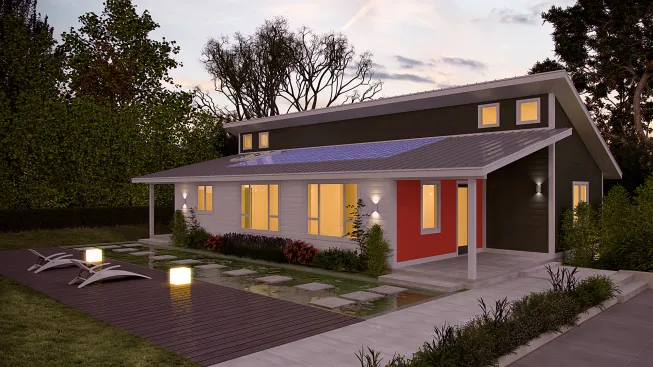
To achieve and maintain a net-zero balance, homeowners must monitor their energy use and production closely. Smart energy monitors and home automation systems provide real-time data, helping residents identify inefficiencies and adjust their habits. These tools are invaluable for troubleshooting and optimizing system performance over time.
Thermal imaging cameras can also be used to detect heat leaks and insulation gaps, ensuring the building envelope remains airtight and efficient. For those interested in maximizing savings, see the long term savings of net-zero homes for a breakdown of ongoing benefits.
Financial Considerations and Incentives
While the upfront investment in renewable systems and energy-efficient construction can be significant, the long-term savings are substantial. Many regions offer tax credits, rebates, and other incentives to offset the initial costs. Over time, reduced utility bills and increased property value make net-zero homes an attractive option for many families.
Understanding the cost factors in net-zero housing projects is crucial for accurate budgeting and planning. Additionally, resources like the step-by-step guide to designing a net-zero home can help you navigate the process from concept to completion.
Frequently Asked Questions
What are the main renewable energy sources used in net-zero homes?
The most common sources are solar photovoltaic panels and, in some cases, small wind turbines. Some homes also use geothermal systems for heating and cooling, which leverage the earth’s stable temperature to reduce energy demand.
How do net-zero homes handle energy needs during cloudy days or at night?
These homes typically include battery storage systems to save excess energy generated during sunny periods. When renewable production is low, stored energy is used to power the home. In some cases, homes remain connected to the grid for backup, drawing power when needed and feeding excess energy back during peak production.
Are net-zero homes more expensive to build?
Initial construction costs are usually higher due to advanced materials and renewable systems. However, incentives and long-term energy savings often offset these costs, making net-zero homes a financially sound investment over time.
