
Building a net-zero home is a significant investment, but understanding the main cost factors in net-zero housing projects can help homeowners, developers, and builders make informed decisions. These energy-efficient homes are designed to produce as much energy as they consume over a year, resulting in lower utility bills and a reduced environmental footprint. However, achieving net-zero status involves unique expenses and considerations that differ from traditional construction.
Whether you’re planning your own sustainable build or simply exploring the economics of green construction, it’s important to recognize where your budget will be allocated. This article outlines the essential elements that drive costs in net-zero residential projects, offering insights to help you plan, budget, and prioritize for long-term value.

For a detailed look at how expenses are distributed, see this net-zero home construction cost breakdown guide. Understanding these breakdowns early can help you set realistic expectations and avoid surprises during the building process.
Understanding the Main Expenses in Sustainable Home Construction
Net-zero homes require a holistic approach to design and construction. Unlike conventional builds, every component—from insulation to renewable energy systems—must work together to achieve energy balance. The following sections break down the most significant cost factors for net-zero housing projects and explain how each contributes to the overall investment.
1. Site Selection and Orientation
The location and orientation of your property can have a substantial impact on both construction costs and energy performance. Factors such as lot size, topography, and solar access influence the feasibility and price of achieving net-zero status. For example, a site with optimal sun exposure reduces the size and cost of solar arrays needed, while challenging terrain may increase foundation and grading expenses.
Early planning with an experienced architect or energy consultant can help you identify the most cost-effective site and layout for your project.
2. High-Performance Building Envelope
A well-insulated, airtight building envelope is the foundation of any net-zero home. Upgrading insulation, windows, and doors to high-performance standards typically increases upfront costs compared to standard construction. However, these investments pay off through reduced heating and cooling loads, which can lower the size and cost of mechanical systems down the line.
- Insulation: Advanced materials and thicker assemblies are often required to meet net-zero targets.
- Windows and Doors: Triple-glazed, low-emissivity products are common in these builds.
- Air Sealing: Attention to detail in sealing gaps and penetrations is critical for minimizing energy loss.
For tips on keeping these upgrades affordable, check out affordable net-zero home building tips.

3. Efficient Mechanical Systems and Appliances
Heating, ventilation, and air conditioning (HVAC) systems in net-zero homes are typically more efficient and sometimes more expensive than those in standard houses. Popular options include air-source or ground-source heat pumps, energy recovery ventilators (ERVs), and high-efficiency water heaters. Selecting ENERGY STAR-rated appliances and LED lighting further reduces energy demand, but may add to initial costs.
While these systems can represent a larger upfront investment, their operational savings and lower maintenance requirements provide long-term benefits.
4. Renewable Energy Systems
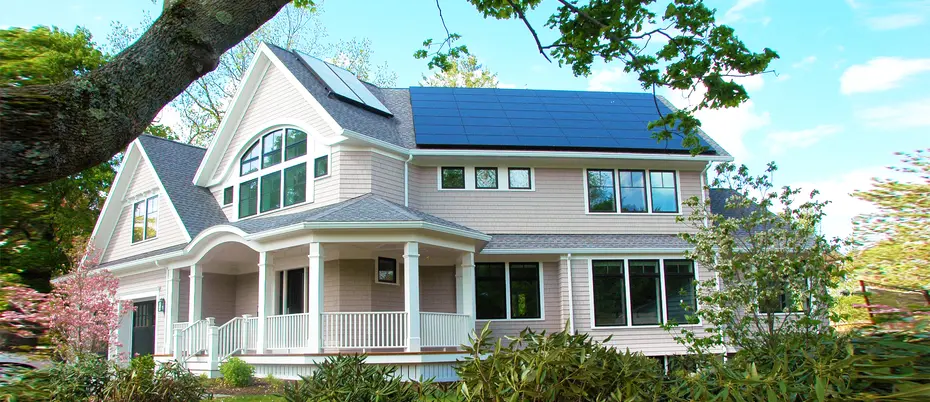
To offset annual energy use, most net-zero homes rely on solar photovoltaic (PV) panels, though some may use wind or geothermal systems depending on local resources. The size and cost of these systems depend on the home’s energy demand, available incentives, and local utility rates. Installation, permitting, and grid interconnection fees should also be factored into your budget.
For a deeper dive into budgeting, see cost of net-zero home construction.
5. Design, Engineering, and Certification Fees
Professional services are another important component of the budget. Working with architects, engineers, and energy consultants who specialize in sustainable design ensures your project meets net-zero standards. Certification programs, such as Passive House or LEED, may add costs but can also increase home value and provide access to incentives.
These services typically represent a higher percentage of the budget compared to conventional builds, but their expertise is crucial for achieving performance goals and avoiding costly mistakes.
6. Permitting, Inspections, and Utility Interconnection
Local permitting fees, inspections, and utility interconnection costs can vary widely by region. Some municipalities offer expedited permitting or reduced fees for green projects, while others may require additional documentation or third-party testing. It’s important to research local requirements early in the planning process to avoid delays and unexpected expenses.
How Incentives and Financing Options Affect Net-Zero Home Costs
Government rebates, tax credits, and utility incentives can significantly offset the higher initial investment in net-zero construction. These programs may apply to renewable energy systems, high-performance windows, insulation, or other qualifying features. Additionally, specialized loans and mortgages are available for energy-efficient homes, making it easier to finance up-front costs.
For a comprehensive overview of available programs, see net-zero home financing options explained.
It’s also worth exploring local and national resources, such as those outlined in this guide to net-zero home incentives, to maximize your savings.
Long-Term Value and Return on Investment
While the up-front price tag for a net-zero home is often higher than a conventional build, the long-term savings on energy bills, maintenance, and potential resale value can make the investment worthwhile. Homeowners benefit from increased comfort, healthier indoor air, and protection against rising utility rates.
It’s important to consider not only the initial construction costs, but also the ongoing operational savings and environmental benefits. Over time, these homes can provide a strong return on investment, especially as energy prices fluctuate and demand for sustainable housing grows.
Frequently Asked Questions
What is the biggest cost driver in net-zero home construction?
The most significant expenses typically involve the building envelope—insulation, windows, and air sealing—along with renewable energy systems like solar panels. These elements are essential for achieving net-zero performance and represent a substantial portion of the budget.
Are net-zero homes more expensive than traditional homes?
Yes, net-zero homes generally have higher up-front costs due to advanced materials, efficient systems, and renewable energy installations. However, these costs are offset over time by lower utility bills and potential incentives.
How can I reduce costs when building a net-zero house?
Work with experienced professionals, take advantage of available incentives, and prioritize investments that deliver the greatest energy savings. Early planning, smart design choices, and careful material selection can help keep your project within budget. For more ideas, visit the how much does a net-zero home cost resource.
Conclusion
Understanding the cost factors in net-zero housing projects is essential for anyone considering a sustainable build. From site selection and building envelope upgrades to efficient systems and renewable energy, each component plays a role in both the initial investment and long-term savings. By planning carefully, leveraging incentives, and working with knowledgeable professionals, you can achieve a comfortable, resilient, and energy-efficient home that delivers value for years to come.
