
Energy efficiency in net-zero homes is not just a trend—it’s a practical response to rising energy costs and environmental concerns. Homeowners and builders are increasingly focused on reducing energy consumption, lowering utility bills, and minimizing carbon footprints. A net-zero property is designed to produce as much energy as it consumes over the year, primarily through a combination of high-performance building techniques and renewable energy systems. But achieving this balance requires more than just installing solar panels; it demands a holistic approach to efficiency, comfort, and long-term savings.
Understanding the strategies and technologies that drive these homes can help you make informed decisions, whether you’re building new, renovating, or simply looking to improve your current residence. For those interested in the financial side, comparing net-zero home cost vs traditional home can provide valuable insight into upfront investments and potential savings.
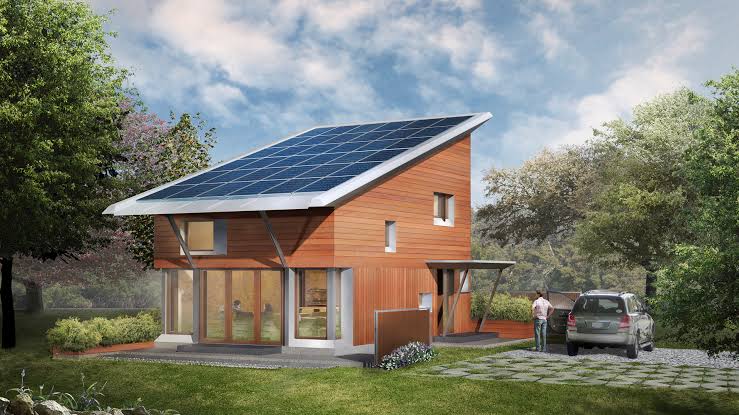
What Makes a Home Truly Net-Zero?
At its core, a net-zero property is one where the total amount of energy used annually is roughly equal to the amount of renewable energy created on-site. This balance is achieved through a combination of advanced insulation, air sealing, efficient windows, and high-performance HVAC systems, all working together to minimize energy loss. On the supply side, technologies like solar photovoltaic panels, geothermal heat pumps, and sometimes small wind turbines generate clean energy to offset what the home consumes.
But the journey to net-zero is not just about adding renewable sources. It’s about maximizing energy efficiency first, so the renewable systems can be smaller, more affordable, and more effective. This approach ensures that every kilowatt-hour produced is used to its fullest potential.
Key Strategies for Boosting Efficiency
Optimizing energy efficiency in net-zero homes involves a layered approach, addressing everything from the building envelope to the appliances inside. Here are some proven strategies:
- Super-Insulated Envelopes: Thick, high-quality insulation in walls, roofs, and floors drastically reduces heat transfer, keeping interiors comfortable year-round.
- Air Sealing: Minimizing air leaks through careful sealing of joints, windows, and doors prevents unwanted heat loss or gain.
- High-Performance Windows: Triple-pane, low-emissivity windows reduce energy loss and help maintain a stable indoor temperature.
- Efficient HVAC Systems: Heat pumps and energy recovery ventilators (ERVs) provide heating, cooling, and fresh air with minimal energy use.
- LED Lighting and Smart Controls: Switching to LED bulbs and using smart thermostats or occupancy sensors helps cut unnecessary consumption.
- ENERGY STAR Appliances: Choosing certified appliances ensures lower electricity and water usage.
For a detailed look at the process, explore this step-by-step guide to constructing a net-zero property.
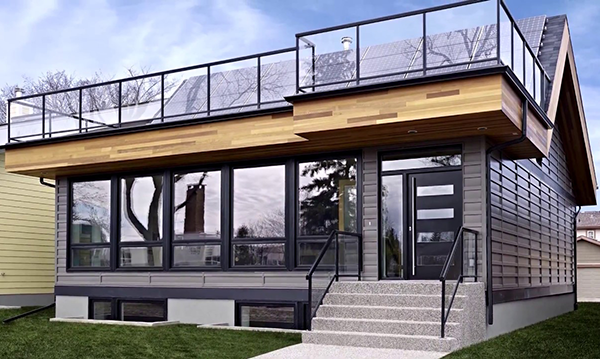
Design Principles for Maximum Power Savings
Designing for optimal efficiency starts with orientation and layout. Passive solar design—positioning windows and living spaces to take advantage of the sun’s path—can provide free heating in winter and reduce cooling needs in summer. Overhangs, awnings, and landscaping can help control solar gain and shading.
Material selection also plays a critical role. Using materials with high thermal mass, such as concrete or stone, helps stabilize indoor temperatures by absorbing and releasing heat slowly. Meanwhile, advanced framing techniques reduce thermal bridging, further minimizing energy loss.
Integrating smart home systems allows for real-time monitoring and control of energy use. Homeowners can track consumption, identify inefficiencies, and adjust settings remotely, ensuring the home operates at peak performance.
Renewable Energy Integration
Once efficiency measures are in place, the next step is to size and install renewable energy systems. Solar photovoltaic (PV) panels are the most common choice, but some homes also use geothermal or air-source heat pumps for heating and cooling. Battery storage systems can store excess solar energy for use at night or during outages, increasing self-sufficiency and resilience.
It’s important to right-size these systems based on the home’s reduced energy demand. Oversizing leads to unnecessary costs, while undersizing can prevent the home from reaching net-zero status. Professional energy modeling can help determine the ideal system size and configuration.
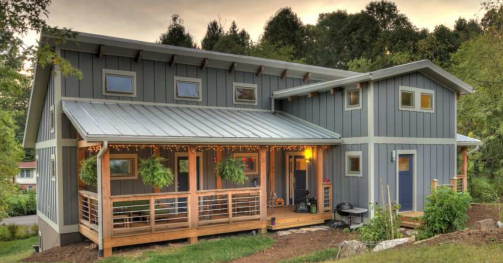
Monitoring and Maintaining Peak Efficiency
Even the most advanced net-zero homes require ongoing attention to maintain their performance. Regular maintenance of HVAC systems, cleaning of solar panels, and periodic air sealing checks are essential. Using energy monitors, such as smart circuit sensors, helps track real-time usage and quickly identify any spikes or inefficiencies.
Thermal imaging cameras can reveal hidden leaks or insulation gaps, allowing for targeted repairs that preserve the home’s airtightness and comfort. These tools empower homeowners to keep their properties operating at their best, year after year.
Long-Term Benefits and Financial Considerations
Investing in a highly efficient, net-zero property offers substantial long-term rewards. Utility bills are drastically reduced or even eliminated, and the home’s value often increases thanks to its sustainability features. Many regions also offer tax credits, rebates, and incentives that offset initial costs.
For those weighing the financial implications, understanding the return on investment net-zero homes provide is crucial. Over time, the savings on energy bills and maintenance can far outweigh the upfront investment, especially as energy prices continue to rise.
Additionally, the long term savings net-zero homes deliver go beyond just energy bills, often including lower repair costs and improved indoor air quality, which can contribute to better health and comfort.
Common Challenges and How to Overcome Them
While the benefits are clear, there are challenges to achieving and maintaining high efficiency. Upfront costs can be higher than traditional builds, and finding experienced designers or contractors may require extra research. However, careful budget planning net-zero home construction can help manage expenses and avoid surprises.
Another challenge is ensuring that all systems work together seamlessly. Integrated design and early collaboration among architects, engineers, and builders are key to avoiding costly mistakes and maximizing efficiency.
FAQ
What is the most important factor in achieving high efficiency in a net-zero home?
The most critical factor is minimizing energy demand through proper insulation, air sealing, and efficient systems before adding renewable energy. This approach ensures that the renewable systems can be smaller and more cost-effective.
Are net-zero homes more expensive to build than traditional homes?
While initial construction costs can be higher due to advanced materials and systems, these expenses are often offset by lower utility bills, incentives, and increased property value over time. For a detailed breakdown, see the comparison of net-zero home cost vs traditional home.
How can I monitor and improve the efficiency of my net-zero home?
Using smart energy monitors and thermal imaging cameras allows you to track energy use, identify inefficiencies, and make targeted improvements. Regular maintenance and periodic energy audits also help maintain peak performance.
