
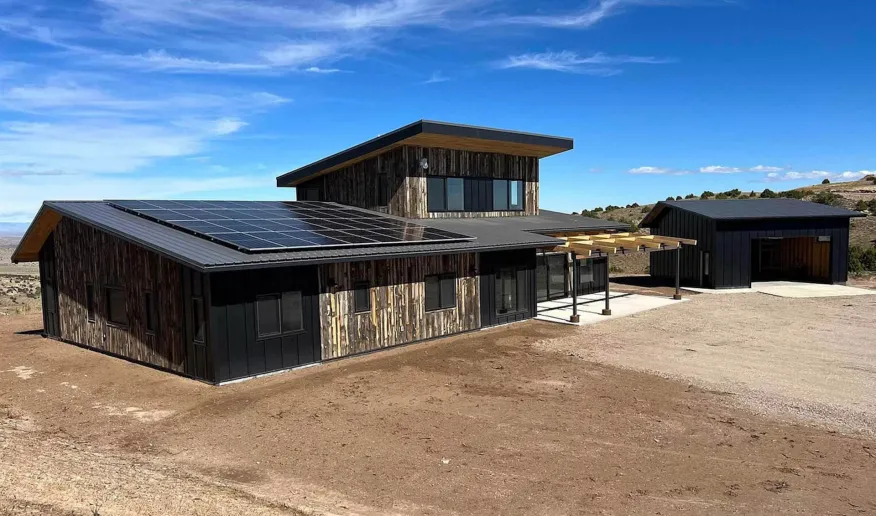
Building a truly energy-efficient home goes beyond adding solar panels or high-performance windows. At the heart of sustainable construction lies passive design net-zero home basics—a set of strategies that leverage natural elements to minimize energy use and maximize comfort. By understanding and applying these principles, homeowners can create living spaces that are both environmentally responsible and cost-effective to operate.
Passive design focuses on the orientation, layout, and materials of a house to take full advantage of sunlight, wind, and thermal mass. When combined with renewable energy systems, these methods make it possible to achieve a net-zero energy balance, where the home produces as much energy as it consumes over the course of a year.
Before diving into the core strategies, it’s helpful to understand how airtightness and energy efficiency play a role in net-zero construction. For a deeper look at sealing techniques, see airtight building net-zero construction. These foundational elements work hand-in-hand with passive design to achieve optimal results.
Understanding the Fundamentals of Passive Design
At its core, passive design is about making the most of the local climate to reduce reliance on mechanical heating and cooling. By carefully planning the building’s orientation, insulation, and window placement, a home can maintain comfortable temperatures year-round with minimal energy input.
- Orientation: Positioning the home to maximize southern exposure (in the northern hemisphere) allows for greater solar gain during winter months, while minimizing overheating in summer.
- Thermal Mass: Materials like concrete, brick, or stone absorb and store heat during the day, releasing it slowly at night to stabilize indoor temperatures.
- Natural Ventilation: Strategic window placement and operable vents enable cross-breezes, reducing the need for air conditioning.
- Insulation and Airtightness: High-quality insulation and careful sealing prevent unwanted heat loss or gain, keeping the indoor environment comfortable and efficient.
These principles form the backbone of passive design net-zero home basics, ensuring that the structure works with, not against, its surroundings.
Solar Gain and Shading: Balancing Light and Heat
One of the most effective ways to harness natural elements is by managing solar gain. Properly designed windows and shading devices can provide warmth in winter and block excessive heat in summer.
- South-Facing Windows: Large windows on the south side capture low-angle winter sun, providing free heating.
- Overhangs and Awnings: Roof overhangs or adjustable awnings block high-angle summer sun, preventing overheating.
- Deciduous Trees: Planting trees that lose their leaves in winter offers shade during hot months and allows sunlight through in colder seasons.
Combining these features with high-performance glazing further reduces unwanted heat transfer, enhancing the effectiveness of passive solar design.
Insulation, Airtightness, and Energy Efficiency
Even the best passive solar strategies can be undermined by poor insulation or air leaks. Ensuring a continuous thermal envelope is essential for maintaining comfort and minimizing energy waste.
- Continuous Insulation: Use high R-value materials in walls, roofs, and floors to slow heat transfer.
- Sealing Gaps: Pay special attention to windows, doors, and penetrations for pipes or wires. Use caulking, weatherstripping, and gaskets to eliminate drafts.
- Blower Door Testing: This diagnostic tool measures air leakage, helping identify and address problem areas.
For more on maximizing energy savings, see energy efficiency in net-zero homes. These improvements not only reduce utility bills but also support a healthier indoor environment by minimizing pollutants and allergens.
Integrating Renewable Energy Systems
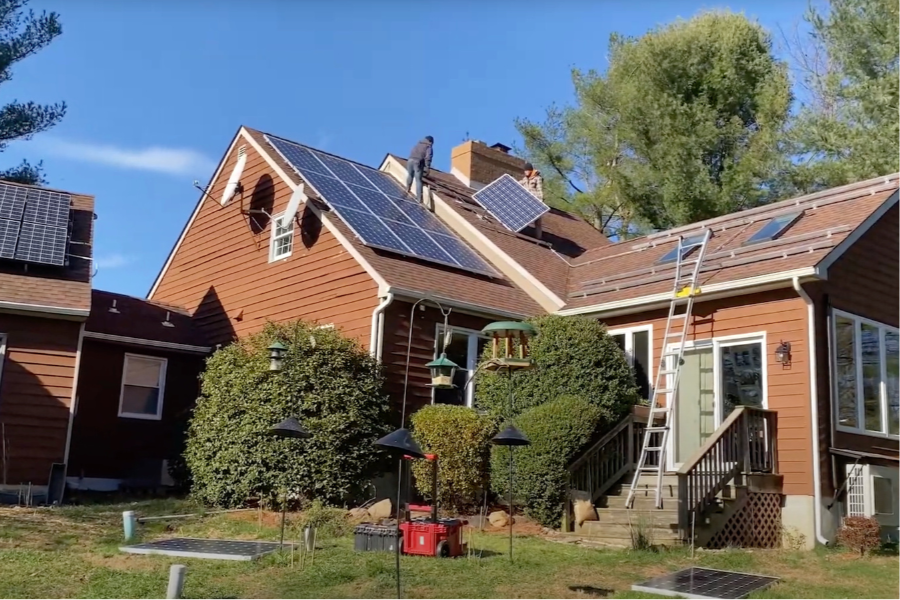
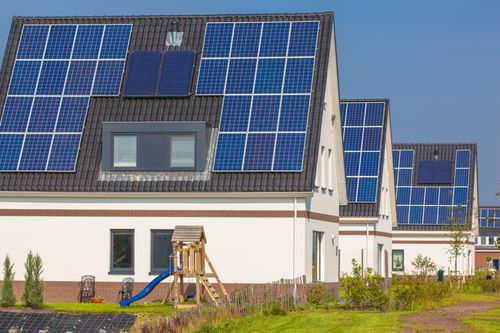
While passive design dramatically reduces energy needs, achieving net-zero status typically requires on-site renewable generation. Solar panels are the most common solution, but wind turbines or geothermal systems may also be suitable depending on location.
It’s important to size and install these systems based on the home’s actual energy use. For a detailed breakdown, refer to the solar panels for net-zero homes guide. Combining renewables with passive strategies ensures that the home’s energy production and consumption remain in balance.
Ventilation and Indoor Air Quality
With tightly sealed homes, maintaining fresh air is crucial. Mechanical ventilation systems, such as heat recovery ventilators (HRVs) or energy recovery ventilators (ERVs), bring in outdoor air while minimizing heat loss. This supports both comfort and health, especially in climates with extreme temperatures.
Effective ventilation also helps control humidity, reducing the risk of mold and improving overall indoor air quality. When combined with passive design, these systems ensure a balanced, comfortable living environment year-round.
Designing for Your Climate and Site
Every location presents unique challenges and opportunities for passive design. Factors such as latitude, prevailing winds, and local vegetation all influence the best strategies for a given site.
- Cold Climates: Maximize solar gain, use high levels of insulation, and minimize window area on north-facing walls.
- Hot Climates: Prioritize shading, natural ventilation, and reflective roofing materials to reduce cooling loads.
- Mixed Climates: Employ flexible solutions, such as operable shading devices and adjustable ventilation, to adapt to seasonal changes.
Careful site analysis and design adaptation are essential for optimizing energy performance. For a comprehensive look at how homes achieve a balanced energy profile, see net-zero energy balance explained.
Measuring and Monitoring Energy Performance
To ensure your home is performing as intended, it’s important to track energy use and production over time. Smart energy monitors and thermal imaging cameras can help identify inefficiencies and guide further improvements.
Regular monitoring supports ongoing optimization, allowing homeowners to fine-tune systems and maintain net-zero status. For step-by-step advice on making your home net-zero, explore this practical guide to net-zero homes.
Frequently Asked Questions
What is the difference between passive design and active systems in net-zero homes?
Passive design relies on the building’s structure and layout to regulate temperature and comfort using natural elements like sunlight and airflow. Active systems, such as solar panels or heat pumps, use mechanical or electrical devices to generate or manage energy. Both are important, but passive strategies reduce the need for active systems, making net-zero goals more achievable.
How much can passive design reduce energy use in a home?
Well-executed passive design can cut heating and cooling energy needs by 50% or more compared to conventional construction. The exact savings depend on climate, site, and the quality of design and construction.
Is it possible to retrofit an existing home with passive design features?
Yes, many passive strategies can be incorporated into renovations. Upgrading insulation, improving airtightness, adding shading devices, and optimizing window placement are all effective ways to enhance energy performance in existing homes.
Conclusion
Embracing passive design net-zero home basics is a practical and impactful way to create sustainable, comfortable living spaces. By leveraging natural elements and integrating renewable energy, homeowners can significantly reduce their environmental footprint and enjoy long-term savings. Whether building new or upgrading an existing house, these strategies provide a solid foundation for a truly net-zero future.
