
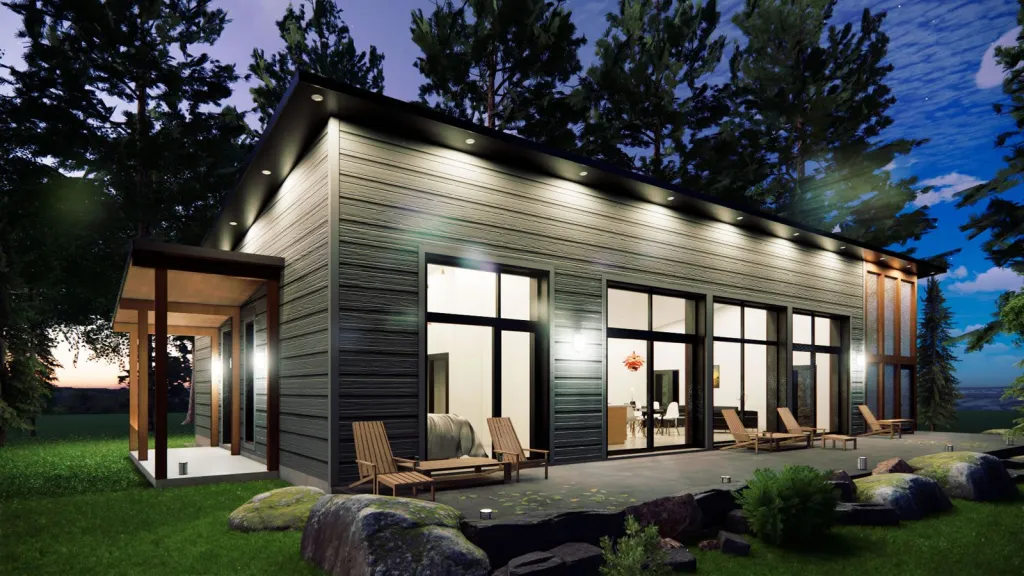
As the demand for sustainable living grows, more homeowners and builders are turning to energy modeling net-zero homes to achieve high-performance, low-impact residences. This approach uses advanced simulations to predict and optimize a home’s energy use, ensuring that it produces as much energy as it consumes over the course of a year. By integrating modeling early in the design process, it’s possible to make informed decisions about insulation, windows, HVAC systems, and renewable energy sources, resulting in a residence that is both comfortable and environmentally responsible.
Understanding how to design for net-zero performance can be complex, but leveraging energy modeling tools streamlines the process. These simulations help identify the most effective strategies for reducing energy demand and maximizing renewable generation. Whether you’re a homeowner planning a new build or a designer seeking to improve project outcomes, this guide explores the principles, benefits, and practical steps for using energy modeling to achieve net-zero goals.
For those interested in related topics, understanding energy efficiency in net-zero homes is a crucial step toward maximizing power savings and ensuring your home operates at peak performance.
What Is Energy Modeling and Why Does It Matter?
Energy modeling is a digital simulation process that predicts how much energy a building will use based on its design, materials, systems, and location. For net-zero homes, this simulation is essential for balancing energy consumption with on-site renewable generation. By analyzing factors such as insulation, window placement, air leakage, and mechanical systems, energy modeling allows designers to test different scenarios and optimize the building envelope before construction begins.
The benefits of this approach include:
- Accurate performance predictions: Avoid costly design changes by identifying issues early.
- Cost-effective solutions: Prioritize upgrades that offer the greatest energy savings for the lowest investment.
- Regulatory compliance: Meet or exceed local energy codes and green building certifications.
- Comfort and health: Improve indoor air quality and thermal comfort for occupants.
Key Steps in Designing High-Performance Net-Zero Homes
Achieving a net-zero energy balance requires a holistic approach. Here’s how energy modeling fits into the overall design strategy:
1. Setting Performance Goals Early
Before any drawings are finalized, define your energy targets. Decide whether you want to achieve net-zero, net-positive, or simply reduce energy use as much as possible. Early goal setting ensures that every design decision supports your objectives.
2. Building Envelope Optimization
The building envelope—walls, roof, windows, and foundation—plays a critical role in minimizing energy loss. Energy modeling helps evaluate different insulation levels, window types, and air sealing techniques to find the most effective combination. For example, increasing insulation in the attic or upgrading to triple-pane windows can significantly reduce heating and cooling loads.
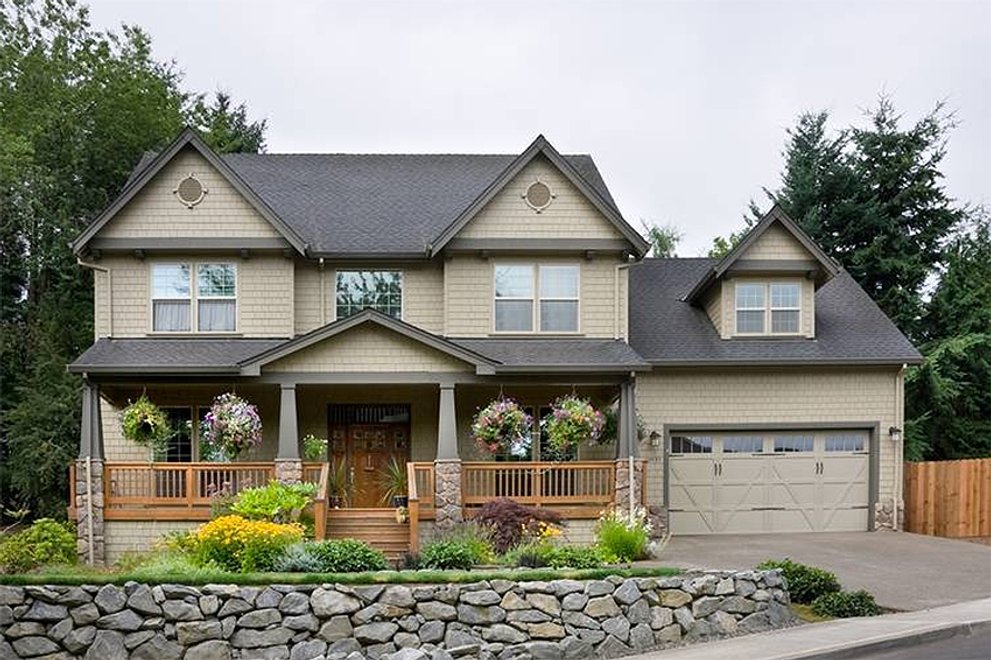
3. Right-Sizing Mechanical Systems
With a well-insulated envelope, heating and cooling demands drop. Energy modeling allows you to select HVAC systems that are appropriately sized, avoiding the inefficiency and higher costs associated with oversized equipment. Consider high-efficiency heat pumps, energy recovery ventilators, and smart controls to further reduce energy use.
4. Integrating Renewable Energy
Once energy demand is minimized, the next step is to size renewable systems, such as solar panels, to offset remaining consumption. Modeling tools can estimate annual solar generation based on roof orientation, shading, and local climate. For a deeper dive into renewable integration, see the solar panels for net-zero homes guide for tips on sizing and installation.
Tools and Software for Energy Modeling
Several software platforms are available for simulating energy use in residential buildings. Popular options include:
- EnergyPlus: Widely used for detailed modeling of building systems and renewable integration.
- REM/Rate: Common in the U.S. for Home Energy Rating System (HERS) scoring and ENERGY STAR certification.
- Passive House Planning Package (PHPP): Ideal for ultra-low energy and passive house projects.
- OpenStudio: An open-source platform that integrates with EnergyPlus for advanced modeling.
Choosing the right tool depends on your project’s complexity, local requirements, and the level of detail needed. Many designers also use thermal imaging cameras and smart energy monitors during construction and operation to verify performance and identify areas for improvement.
Common Challenges and Solutions in Net-Zero Home Design
While the benefits of energy modeling are clear, several challenges can arise during the design and construction process:
- Data accuracy: Reliable input data is essential for accurate simulations. Work closely with architects, engineers, and contractors to ensure all materials and systems are specified correctly.
- Cost constraints: Some high-performance upgrades may have higher upfront costs. Use modeling to prioritize investments that deliver the greatest long-term savings.
- Changing site conditions: Factors like unexpected shading or construction changes can impact performance. Update models as needed and use post-occupancy monitoring to verify results.
For a comprehensive look at maintaining energy balance, explore net-zero energy balance explained to understand how to achieve and maintain total equilibrium in your home.
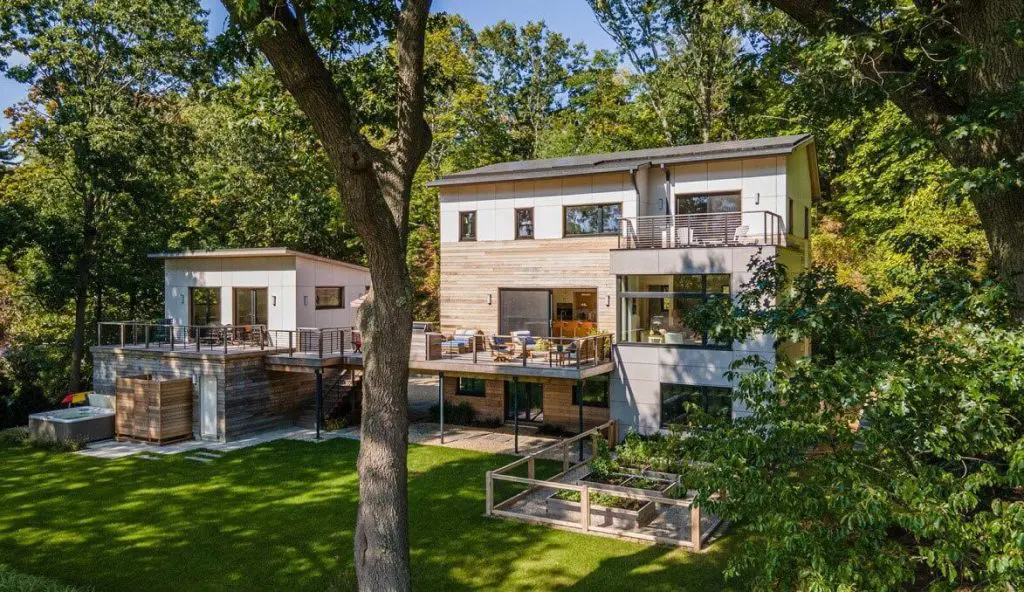
Benefits of Energy Modeling for Sustainable Homes
Using energy modeling net-zero homes strategies offers several long-term advantages:
- Lower utility bills: Optimized homes use less energy and can even generate income by exporting excess power.
- Resilience: Efficient homes are better prepared for power outages and extreme weather.
- Increased property value: Buyers increasingly seek homes with proven energy performance.
- Reduced environmental impact: Lower greenhouse gas emissions contribute to climate goals.
For those considering battery storage as part of their design, see battery storage for net-zero homes explained for insights on reliable power solutions.
For a broader perspective on the future of sustainable construction, explore how net-zero buildings are shaping the industry and what it means for homeowners and professionals alike.
FAQs
How accurate are energy modeling predictions for net-zero homes?
When based on detailed and accurate input data, energy modeling can closely predict real-world performance. However, factors like construction quality, occupant behavior, and unforeseen site changes can affect outcomes. Post-occupancy monitoring and adjustments help ensure the home meets its performance targets.
Is energy modeling required for code compliance or certifications?
Many green building programs and local codes require energy modeling to demonstrate compliance with performance standards. Certifications like ENERGY STAR, LEED, and Passive House often mandate modeling as part of the documentation process.
Can existing homes benefit from energy modeling?
Yes, energy modeling isn’t limited to new construction. It can be used to assess retrofit opportunities, prioritize upgrades, and estimate the impact of improvements on energy use and comfort in existing homes.
Conclusion
Leveraging energy modeling net-zero homes techniques is a powerful way to design and build residences that are efficient, resilient, and environmentally responsible. By integrating modeling early and using the results to guide decisions about the envelope, systems, and renewables, homeowners and professionals can achieve true net-zero performance. As more people embrace sustainable living, these strategies will play a central role in shaping the homes of the future.
