
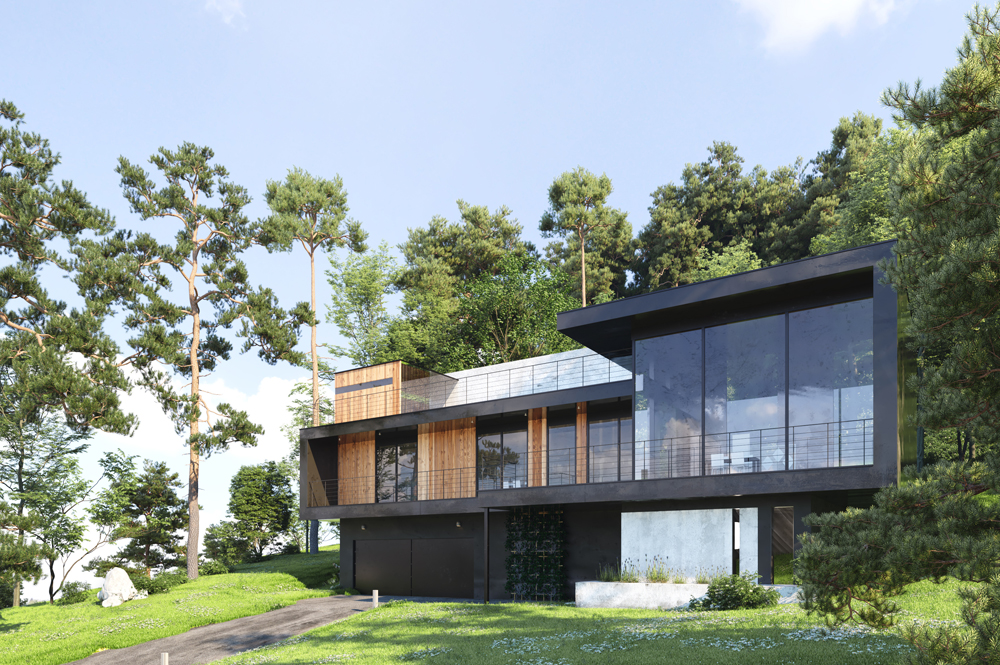
As the demand for sustainable living grows, builders and homeowners are increasingly focused on net-zero home design strategies that minimize energy consumption and environmental impact. Achieving a net-zero home means creating a living space that produces as much energy as it consumes over the course of a year. This requires a thoughtful approach to design, materials, systems, and construction techniques that work together to maximize efficiency and comfort.
Whether you are a builder, architect, or homeowner planning a new project, understanding the essential principles behind these strategies is crucial. From selecting the right building envelope to integrating renewable energy sources, every decision plays a role in reaching true net-zero performance. For those interested in material selection, our guide on energy efficient materials net-zero homes offers further insights into choosing the best products for sustainable construction.
Core Principles of Net-Zero Residential Design
At the heart of every successful net-zero project are a few foundational principles. These include reducing energy demand, maximizing energy efficiency, and supplying remaining needs with renewable sources. Builders should prioritize:
- Optimized building orientation to capture sunlight and natural ventilation.
- High-performance insulation and airtight construction to minimize heat loss.
- Efficient mechanical systems, such as heat pumps and energy recovery ventilators.
- On-site renewable energy generation, typically through solar photovoltaic (PV) panels.
By integrating these core concepts from the earliest design stages, it becomes much easier to achieve net-zero goals without costly retrofits or compromises later on.
Building Envelope: The Foundation of Energy Efficiency
The building envelope—walls, roof, windows, and floors—forms the barrier between indoor and outdoor environments. A well-designed envelope is essential for minimizing unwanted heat transfer and air leakage. Key tactics include:
- Using advanced framing techniques to reduce thermal bridging.
- Specifying high-R-value insulation in walls, roofs, and foundations. For more details, see our article on insulation requirements net-zero homes.
- Installing high-performance windows with low-emissivity coatings and insulated frames.
- Ensuring meticulous air sealing at all joints, penetrations, and interfaces. Builders can learn more about this in our resource on airtight building net-zero construction.
Attention to detail during construction is vital. Even small gaps or poorly installed insulation can undermine the overall performance of the home.
Passive Design Approaches for Modern Homes
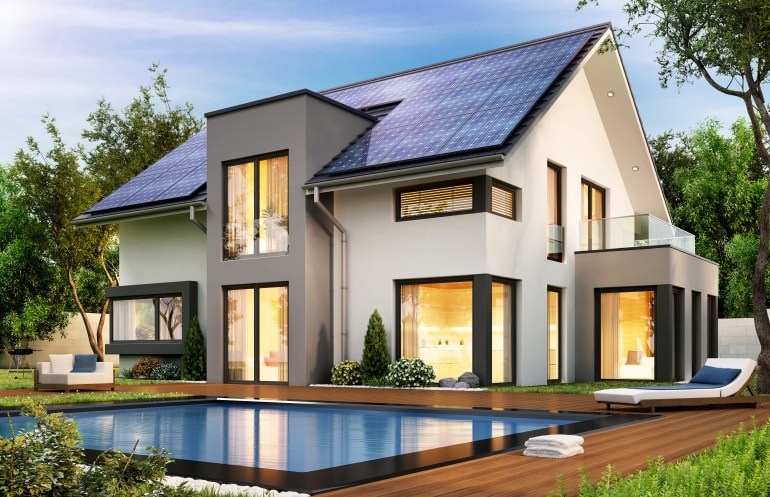
Passive strategies are a cornerstone of net-zero home design strategies. These methods use natural resources—like sunlight, shade, and wind—to maintain comfortable indoor conditions with minimal mechanical intervention. Some effective passive design tactics include:
- Orienting living spaces to the south (in the northern hemisphere) for maximum winter solar gain.
- Incorporating thermal mass materials, such as concrete or stone, to store and release heat.
- Designing roof overhangs and shading devices to block summer sun while admitting winter light.
- Maximizing cross-ventilation and stack effect for natural cooling.
For a deeper dive into these principles, explore our guide on passive design net-zero home basics.
Efficient Mechanical Systems and Smart Controls
Even with the best envelope and passive design, some energy use is inevitable. Selecting efficient mechanical systems is critical for reducing operational energy. Consider the following:
- Heat pumps for space heating and cooling, which offer high efficiency compared to traditional HVAC systems.
- Energy recovery ventilators (ERVs) or heat recovery ventilators (HRVs) to provide fresh air while minimizing heat loss.
- On-demand water heaters or heat pump water heaters for domestic hot water.
- Smart thermostats and energy monitoring systems to optimize usage and identify savings opportunities.
Integrating these technologies with a well-designed envelope and passive features ensures that the home’s energy needs are as low as possible before adding renewables.
Renewable Energy Integration for Zero-Energy Performance
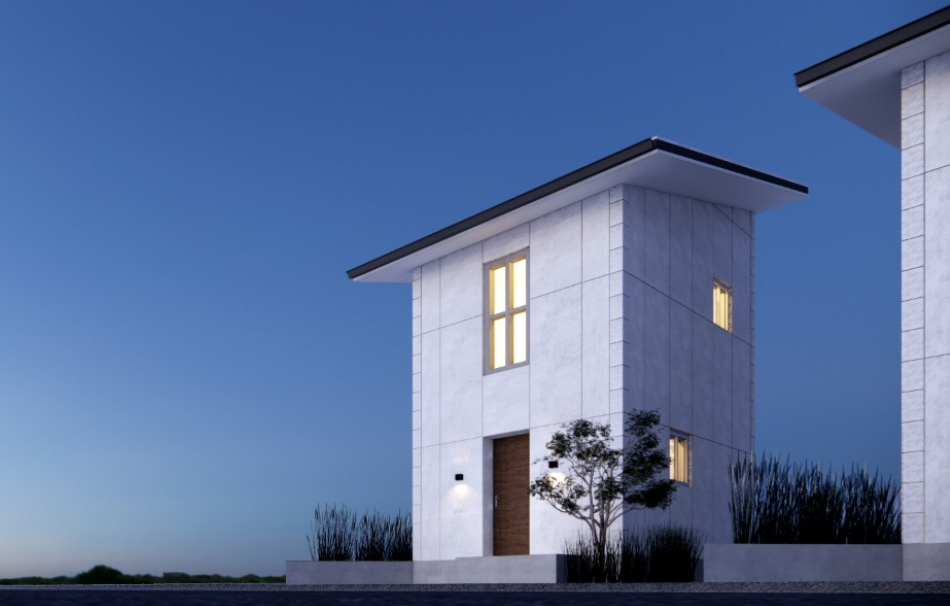
Once energy demand is minimized, the next step is to supply remaining needs with on-site renewable generation. Solar PV panels are the most common solution, but wind or geothermal may also be viable depending on location. Key considerations include:
- Assessing roof orientation, pitch, and shading for optimal solar access.
- Right-sizing the PV system based on modeled energy use. For guidance, see this comprehensive guide on building a net-zero home.
- Exploring battery storage to maximize self-consumption and resilience.
- Considering future electrification needs, such as electric vehicle charging.
Proper integration of renewables ensures that the home’s annual energy production matches or exceeds its consumption, achieving true net-zero status.
Energy Modeling and Verification
To ensure that a project will achieve its goals, energy modeling is a vital part of the design process. This involves using software to simulate the home’s performance under various scenarios, accounting for climate, orientation, materials, and systems. Builders can learn more about this process in our article on energy modeling net-zero homes.
After construction, verification through blower door testing, thermal imaging, and energy monitoring helps confirm that the home performs as intended. Ongoing monitoring can also identify opportunities for further improvements and ensure that the home continues to meet net-zero standards over time.
Best Practices for Modern Builders
For those in the construction industry, adopting these approaches requires a commitment to continuous learning and collaboration. Some best practices include:
- Engaging all stakeholders—architects, engineers, trades, and clients—early in the design process.
- Staying informed about the latest materials and technologies for high-performance building.
- Prioritizing quality control during installation of insulation, windows, and air barriers.
- Educating homeowners on how to operate and maintain their net-zero homes for optimal results.
By following these guidelines, builders can deliver homes that are comfortable, resilient, and environmentally responsible—meeting the needs of today’s market and tomorrow’s challenges.
Frequently Asked Questions
What Is the Most Important Step in Achieving a Net-Zero Home?
The most critical step is minimizing energy demand through a well-designed building envelope and passive strategies. Once the home’s energy needs are as low as possible, adding efficient systems and renewable generation becomes much more effective and affordable.
How Much More Does It Cost to Build a Net-Zero Home?
While initial construction costs can be higher—typically 5-10% more than conventional homes—these are often offset by lower utility bills and potential incentives. Over time, the investment pays off through energy savings and increased property value.
Can Existing Homes Be Upgraded to Net-Zero?
Yes, many existing homes can be retrofitted with improved insulation, air sealing, efficient systems, and renewable energy. However, it may be more challenging and costly than starting from scratch, so a thorough assessment and phased approach are recommended.
