
Building for a sustainable future means making informed choices at every stage of construction. Selecting the right materials is crucial for achieving a net-zero energy home, where the total amount of energy used is balanced by renewable generation. This net-zero building materials guide explains how to evaluate and choose products that minimize environmental impact, enhance energy efficiency, and support long-term performance.
Whether you are a homeowner, architect, or builder, understanding the characteristics of eco-friendly materials and how they contribute to net-zero goals is essential. This article covers key criteria for material selection, highlights product categories, and offers practical tips for integrating sustainable choices into your next project. For those interested in architectural trends, you may also want to explore modern net-zero home architecture for innovative design ideas that complement material decisions.
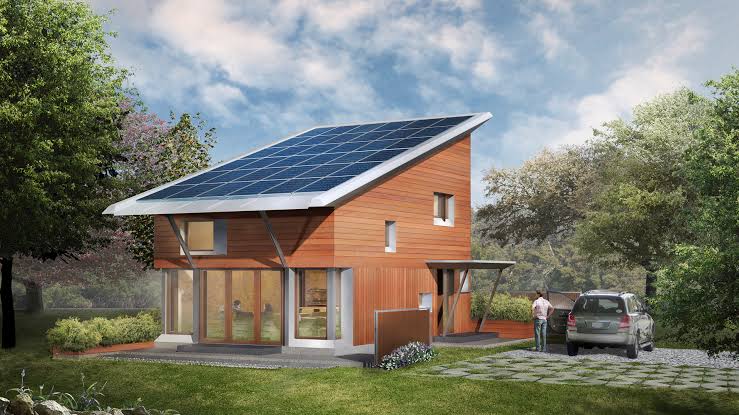
Understanding Net-Zero Construction and Material Selection
Net-zero construction is more than just adding solar panels or high-efficiency appliances. The foundation of a successful net-zero project is the thoughtful selection of building materials that reduce embodied carbon, support airtightness, and improve thermal performance. Materials should be evaluated for their life-cycle impact, durability, and compatibility with renewable energy systems.
Key considerations include:
- Embodied Energy: The total energy required to produce, transport, and install a material. Lower embodied energy means less environmental impact.
- Thermal Performance: Materials that provide superior insulation or thermal mass help reduce heating and cooling loads.
- Durability and Maintenance: Long-lasting materials reduce the need for replacement and ongoing resource use.
- Health and Indoor Air Quality: Non-toxic, low-VOC materials contribute to a healthier living environment.
- Recyclability and End-of-Life: Products that can be recycled or safely disposed of at the end of their life cycle are preferable.
For a deeper dive into how design strategies integrate with material choices, see green building design for net-zero homes.
Categories of Sustainable Materials for Net-Zero Projects
Choosing the right products for net-zero construction involves evaluating several categories of materials. Below are some of the most impactful types to consider:
Insulation: The Backbone of Energy Efficiency
High-performance insulation is essential for minimizing heat loss and gain. Options include:
- Cellulose: Made from recycled paper, offers excellent thermal performance and low embodied energy.
- Mineral Wool: Fire-resistant and effective at soundproofing, with a high recycled content.
- Spray Foam: Provides superior air sealing but should be chosen carefully due to chemical content.
- Natural Fibers: Sheep’s wool, cotton, and hemp are renewable and non-toxic alternatives.
Proper insulation selection and installation are critical for achieving airtightness and maximizing the benefits of renewable energy systems. For more on how insulation works with other passive strategies, check out thermal mass in net-zero homes.

Structural Materials: Foundations for Sustainability
The structure of a net-zero home should be built from materials that balance strength, durability, and low environmental impact. Common options include:
- Engineered Wood: Products like cross-laminated timber (CLT) and laminated veneer lumber (LVL) use less raw material and sequester carbon.
- Recycled Steel: Steel with high recycled content is durable and recyclable at end of life.
- Autoclaved Aerated Concrete (AAC): Lightweight, insulating, and made with less energy than traditional concrete.
- Rammed Earth and Straw Bale: Natural alternatives with excellent thermal properties and minimal processing.
When selecting structural materials, consider both the embodied energy and the ability to integrate with other sustainable systems, such as passive solar design or natural ventilation. For more on air flow strategies, see natural ventilation in net-zero homes.
Windows, Doors, and Glazing: Maximizing Performance
High-quality windows and doors are essential for controlling heat transfer and ensuring airtightness. Look for:
- Triple-Glazed Windows: Offer superior insulation and reduce energy loss.
- Low-E Coatings: Reflect infrared energy, keeping interiors comfortable year-round.
- Thermally Broken Frames: Reduce heat transfer through window and door frames.
- Proper Sealing: Prevents drafts and moisture intrusion.
Integrating daylighting strategies with advanced glazing can further reduce energy demand. Learn more about daylighting strategies for net-zero construction to optimize natural light while maintaining efficiency.

Interior Finishes and Healthy Living
Interior materials can have a significant impact on both energy performance and indoor air quality. Choose products that are:
- Low-VOC or VOC-Free: Paints, adhesives, and sealants that emit fewer harmful chemicals.
- Natural Flooring: Bamboo, cork, and reclaimed wood are renewable and often require less processing.
- Recycled Content: Tiles, countertops, and carpets made from recycled glass or plastics.
- Locally Sourced: Reduces transportation emissions and supports regional economies.
Healthy interior finishes not only support sustainability but also create a comfortable, safe environment for occupants.
Smart Systems and Monitoring
Integrating smart energy monitoring and diagnostic tools helps ensure your net-zero home performs as intended. Devices like energy monitors and thermal imaging cameras can:
- Track real-time energy use and identify inefficiencies
- Pinpoint air leaks and insulation gaps
- Guide maintenance and future upgrades
These tools are valuable for both new builds and retrofits, providing actionable insights for continuous improvement. For a step-by-step approach to building a net-zero home, see this comprehensive guide to constructing a net-zero home.
Best Practices for Selecting Net-Zero Materials
To make the most of your investment in sustainable construction, follow these practical steps:
- Set Clear Goals: Define your energy, carbon, and health targets early in the design process.
- Work with Certified Products: Look for third-party certifications such as FSC, Cradle to Cradle, or GREENGUARD.
- Balance Performance and Cost: Consider both upfront and long-term savings from reduced energy use and maintenance.
- Consult Experts: Collaborate with architects, engineers, and builders experienced in sustainable construction.
- Document and Verify: Use energy modeling and commissioning to ensure materials perform as expected.
Frequently Asked Questions
What are the most important materials for achieving net-zero energy?
High-quality insulation, energy-efficient windows and doors, and materials with low embodied carbon are the most critical. These elements work together to reduce energy demand and support renewable energy systems.
How can I verify if a building material is truly sustainable?
Look for third-party certifications, check for recycled content, and review the manufacturer’s environmental declarations. Consider the full life cycle, from production to disposal, to ensure minimal impact.
Are net-zero materials more expensive than conventional options?
While some sustainable materials may have higher upfront costs, they often result in lower energy bills and maintenance expenses over time. Many products are now competitively priced as demand for green construction grows.
Conclusion
Choosing the right products for a net-zero project is a critical step toward a more sustainable built environment. By prioritizing materials with low environmental impact, high performance, and healthy attributes, you can create homes that are comfortable, efficient, and future-ready. Use this net-zero building materials guide as a foundation for your next project, and continue learning about innovative strategies and products shaping the future of green construction.
