

As the demand for sustainable living grows, green building design net-zero homes has become a leading approach for homeowners and builders seeking to reduce their environmental impact. Net-zero homes are designed to produce as much energy as they consume over the course of a year, resulting in a minimal carbon footprint and lower utility costs. Achieving this balance requires thoughtful planning, innovative technologies, and a commitment to eco-friendly practices throughout the design and construction process.
This article explores practical strategies and essential tips for creating energy-efficient, environmentally responsible homes. Whether you are a homeowner, architect, or builder, understanding the principles of sustainable design can help you make informed decisions that benefit both the planet and your wallet. For those interested in architectural inspiration, you may also want to explore modern net-zero home architecture for innovative styles and ideas.
Understanding the Principles of Sustainable Home Design
At the core of eco-friendly construction is the goal to minimize resource consumption while maximizing comfort and performance. Green building design for net-zero homes incorporates several key principles:
- Energy Efficiency: Optimizing insulation, windows, and air sealing to reduce heating and cooling needs.
- Renewable Energy: Integrating solar panels or other renewable sources to offset energy use.
- Water Conservation: Using efficient fixtures and rainwater harvesting systems.
- Healthy Indoor Environment: Selecting non-toxic materials and ensuring proper ventilation.
- Resource-Efficient Materials: Choosing sustainable, recycled, or locally sourced building products.
By focusing on these principles, homeowners can create living spaces that are both comfortable and environmentally responsible. For more on optimizing your home’s layout for efficiency, see layout planning net-zero house design.
Key Elements of Green Building Design for Net-Zero Performance
Designing a home that achieves net-zero energy status involves a combination of smart planning, advanced materials, and modern technology. Here are some of the most important elements to consider:
Site Orientation and Passive Solar Design
Taking advantage of the sun’s path is a fundamental strategy in sustainable home design. Proper orientation allows you to maximize natural light and heat during winter while minimizing overheating in summer. Features such as south-facing windows, roof overhangs, and thermal mass can help regulate indoor temperatures and reduce reliance on mechanical systems. To learn more about how thermal mass contributes to comfort, visit thermal mass in net-zero homes.
High-Performance Building Envelope
The building envelope—the walls, roof, windows, and doors—acts as the primary barrier between indoor and outdoor environments. A well-insulated, airtight envelope is crucial for minimizing energy loss. Consider these strategies:
- Install high R-value insulation in walls, roofs, and floors.
- Use triple-glazed, low-emissivity windows.
- Seal all gaps and penetrations to prevent air leaks.
- Choose insulated exterior doors.
These measures not only improve comfort but also reduce the size and cost of heating and cooling systems.
Efficient Heating, Cooling, and Ventilation Systems
Mechanical systems are a significant part of a home’s energy use. To achieve net-zero performance, prioritize:
- High-efficiency heat pumps for heating and cooling.
- Heat recovery ventilators (HRVs) or energy recovery ventilators (ERVs) for fresh air without energy loss.
- Smart thermostats and zoning controls for precise comfort management.
Regularly monitoring energy consumption with smart devices can help identify inefficiencies and optimize usage.
Onsite Renewable Energy Generation
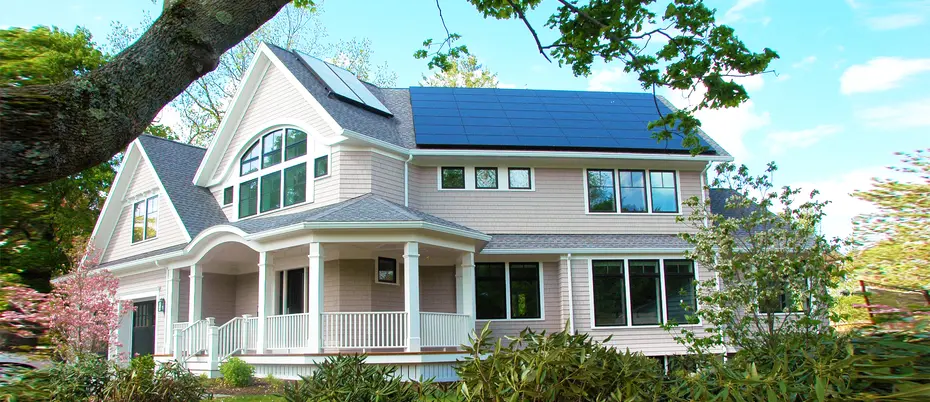
Producing clean energy onsite is essential for balancing a home’s energy budget. Solar photovoltaic (PV) panels are the most common choice, but wind turbines or geothermal systems may also be suitable depending on location and site conditions. When sizing a renewable energy system, consider your home’s projected energy use and local climate data.
For a deeper dive into integrating technology and aesthetics, see architectural design net-zero homes.
Choosing Eco-Friendly Materials and Finishes
Material selection plays a major role in the environmental impact of any construction project. Opt for products that are durable, low in embodied energy, and free from harmful chemicals. Some sustainable choices include:
- Recycled steel, reclaimed wood, or bamboo for structural elements.
- Low-VOC paints, adhesives, and sealants to promote healthy indoor air.
- Locally sourced stone or brick to reduce transportation emissions.
- Natural fiber insulation such as cellulose or sheep’s wool.
These materials not only support a healthier environment but also contribute to the overall resilience and longevity of the home.
Smart Water Management and Conservation
Water is a precious resource, and sustainable homes incorporate strategies to use it wisely. Consider installing:
- Low-flow faucets, showerheads, and toilets.
- Rainwater harvesting systems for irrigation or non-potable uses.
- Native landscaping that requires minimal watering.
- Greywater recycling systems to reuse water from sinks and showers.
These measures not only reduce environmental impact but can also lower monthly utility bills.
Monitoring and Maintaining Net-Zero Performance
Achieving a net-zero energy balance is an ongoing process. Regular monitoring with energy management tools helps ensure your home continues to operate efficiently. Devices like smart energy monitors and thermal imaging cameras can identify hidden inefficiencies, allowing for timely adjustments and maintenance.
For a comprehensive overview of design approaches, visit net-zero home design strategies.
Benefits of Building for a Sustainable Future
Investing in eco-friendly construction offers a range of advantages beyond energy savings. These include:
- Improved indoor air quality and occupant health.
- Enhanced property value and marketability.
- Reduced greenhouse gas emissions and environmental impact.
- Long-term savings on utility costs.
For more insights into the future of sustainable housing, see building for the future: exploring and understanding the net-zero home.
Frequently Asked Questions
What is a net-zero home?
A net-zero home is a residence designed and built to produce as much energy as it consumes over a year. This is achieved through a combination of energy-efficient construction, renewable energy generation, and careful management of resources.
How much does it cost to build a net-zero house?
The cost of constructing a net-zero home varies depending on location, size, materials, and the technologies used. While initial costs may be higher than conventional homes, long-term savings on energy bills and increased property value often offset the investment.
Are there incentives for building green homes?
Many governments and utilities offer incentives, rebates, or tax credits for energy-efficient construction and renewable energy installations. These programs can help reduce upfront costs and make sustainable building more accessible.
