
Modern net-zero home architecture is transforming the way we think about residential design. By combining advanced building science, energy-efficient technologies, and creative aesthetics, these homes achieve the ambitious goal of producing as much energy as they consume. For homeowners, architects, and builders, understanding the principles and innovations behind these sustainable dwellings is key to creating living spaces that are both environmentally responsible and visually appealing.
In this guide, we’ll explore the core features, design strategies, and emerging trends that define today’s net-zero homes. Whether you’re planning a new build or looking to retrofit an existing property, the insights here will help you navigate the world of energy-positive living. For those interested in optimizing daylight and thermal comfort, our resource on window placement net-zero home design offers practical advice on lighting and heat management.

Key Principles of Energy-Neutral Residential Design
At the heart of modern net-zero home architecture is the commitment to balance energy consumption with on-site renewable production. This involves a holistic approach, integrating building orientation, insulation, airtightness, and efficient systems. Here are the foundational principles:
- Passive Design: Maximizing natural light, ventilation, and thermal mass to reduce reliance on mechanical heating and cooling.
- High-Performance Envelope: Using advanced insulation, triple-glazed windows, and airtight construction to minimize energy loss.
- Renewable Energy Integration: Incorporating solar panels, geothermal systems, or wind turbines to generate clean power.
- Efficient Systems: Installing heat pumps, energy recovery ventilators (ERVs), and LED lighting to lower operational energy needs.
- Smart Controls: Leveraging automation and monitoring tools to optimize energy use and occupant comfort.
For a deeper dive into the intersection of aesthetics and technology in sustainable homes, see our article on architectural design net-zero homes.
Innovative Styles in Sustainable Home Design
Contemporary net-zero homes are not limited to one look or layout. Instead, they embrace a range of architectural styles, each adapted to support energy efficiency and environmental harmony. Some of the most popular approaches include:
- Minimalist Modern: Clean lines, open floor plans, and large windows that maximize daylight while minimizing thermal bridging.
- Mid-Century Revival: Flat or low-pitched roofs, clerestory windows, and integration with the landscape, all updated with high-performance materials.
- Scandinavian Influence: Simple forms, natural materials, and a focus on cozy, light-filled interiors that support passive solar gain.
- Eco-Industrial: Exposed structural elements, recycled materials, and flexible spaces designed for adaptability and resource efficiency.
Each of these styles can be tailored to local climates and personal preferences, ensuring that sustainability does not come at the expense of individuality or comfort.
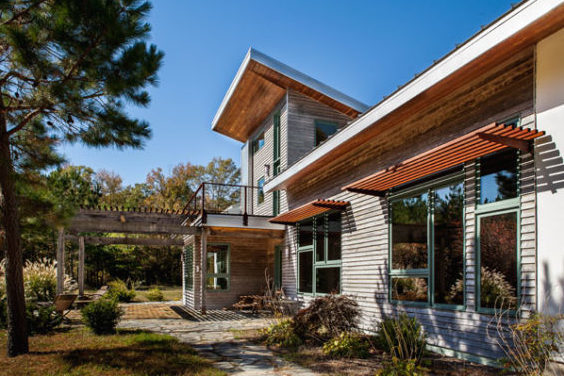
Design Strategies for Achieving Net-Zero Performance
Reaching net-zero status requires careful planning and execution at every stage of the design and construction process. Here are some proven strategies:
- Site Orientation and Layout: Positioning the home to capture optimal sunlight is crucial. Thoughtful orientation for net-zero homes explained can significantly reduce heating and cooling loads.
- Envelope Optimization: Investing in a well-insulated, airtight shell is one of the most effective ways to lower energy demand. This includes advanced wall assemblies, high-performance windows, and careful detailing at all joints and penetrations.
- Renewable Energy Sizing: The size and type of renewable systems should be matched to the home’s projected energy use. Solar photovoltaic panels remain the most common choice, but geothermal and wind options are gaining ground in some regions.
- Water and Resource Efficiency: Low-flow fixtures, rainwater harvesting, and drought-tolerant landscaping further reduce the home’s environmental footprint.
- Smart Home Integration: Automated systems can monitor energy use, adjust lighting and HVAC, and provide real-time feedback to occupants, making it easier to maintain net-zero performance.
For more on optimizing your floor plan for efficiency and comfort, see our guide to layout planning net-zero house design.

Emerging Technologies and Materials in Net-Zero Construction
The field of sustainable home building is evolving rapidly, with new products and systems making it easier than ever to achieve energy neutrality. Some of the most exciting developments include:
- Advanced Insulation: Materials like vacuum-insulated panels and aerogels offer superior thermal performance in thinner profiles.
- Phase-Change Materials: These substances absorb and release heat as they change state, helping to regulate indoor temperatures naturally.
- Integrated Solar Solutions: Building-integrated photovoltaics (BIPV) allow solar panels to double as roofing or façade elements, blending seamlessly with modern designs.
- Smart Glass: Dynamic glazing can adjust its tint in response to sunlight, reducing glare and solar heat gain without sacrificing views.
- Modular and Prefab Construction: Off-site fabrication minimizes waste and ensures precision, speeding up the building process and improving quality control.
To see real-world examples and floor plans, explore net-zero energy home designs from leading builders.
Benefits of Adopting Net-Zero Home Innovations
Choosing a net-zero approach offers a range of advantages for homeowners and the environment alike:
- Lower Utility Bills: By generating their own energy, these homes can dramatically reduce or even eliminate monthly electricity costs.
- Enhanced Comfort: Superior insulation and air sealing result in fewer drafts, more consistent temperatures, and quieter interiors.
- Resilience: On-site energy generation and battery storage can provide backup power during outages.
- Increased Property Value: Demand for sustainable homes is rising, making them attractive to future buyers.
- Environmental Stewardship: Reducing greenhouse gas emissions and resource consumption supports broader climate goals.
For builders and designers, adopting these innovations can also lead to new business opportunities and recognition within the green building community.
Frequently Asked Questions
What makes a home truly net-zero?
A home achieves net-zero status when it produces as much energy as it consumes over the course of a year. This is accomplished through a combination of energy-efficient design, high-performance materials, and on-site renewable energy generation, such as solar panels.
Are net-zero homes more expensive to build?
While the upfront costs can be higher due to advanced materials and systems, many homeowners find that lower utility bills and potential incentives offset the initial investment. Over time, the total cost of ownership can be comparable to or even less than that of a conventional home.
Can existing homes be retrofitted to net-zero standards?
Yes, many of the principles of modern net-zero home architecture can be applied to renovations. Upgrading insulation, replacing windows, improving airtightness, and adding renewable energy systems can move an existing home closer to net-zero performance.
How important is home orientation in net-zero design?
Proper orientation is critical for maximizing solar gain in winter and minimizing overheating in summer. Strategic placement of windows and shading devices can significantly reduce heating and cooling needs, making it a foundational aspect of energy-efficient design.
Conclusion
Innovative sustainable styles are redefining what’s possible in residential construction. By embracing the principles and technologies of modern net-zero home architecture, homeowners and professionals can create spaces that are comfortable, resilient, and environmentally responsible. Whether you’re starting from scratch or improving an existing property, the journey toward energy neutrality is both achievable and rewarding.
