
Thoughtful window placement is one of the most effective strategies for achieving net-zero home design goals. The way windows are positioned, sized, and oriented directly impacts natural lighting, passive heating, and overall energy efficiency. By making informed choices about where and how to install windows, homeowners and builders can reduce reliance on artificial lighting and mechanical heating or cooling, lowering both energy bills and environmental impact.
In this guide, we’ll explore the principles behind optimal window layout for energy-efficient homes, focusing on maximizing daylight, controlling heat gain and loss, and integrating windows into a holistic net-zero strategy. For a deeper dive into how building orientation influences solar exposure, see orientation for net-zero homes explained.
Key Principles of Window Orientation in Sustainable Homes
Effective window placement for net-zero home design starts with understanding how the sun’s path affects your building site. The orientation and size of windows should be tailored to the local climate, latitude, and the home’s overall layout. Here are the main considerations:
- South-facing windows (in the Northern Hemisphere) capture the most sunlight in winter, providing valuable passive solar heating.
- North-facing windows deliver consistent, diffuse daylight with minimal heat gain, ideal for workspaces or rooms needing steady illumination.
- East- and west-facing windows receive low-angle sunlight, which can cause glare and unwanted heat gain, especially in summer.
Balancing these factors helps reduce the need for artificial lighting and mechanical heating or cooling, two major contributors to a home’s energy use. For more strategies on integrating passive elements, visit passive design net-zero home basics.
Maximizing Daylight While Controlling Glare
Natural daylight is a cornerstone of energy-efficient window placement. Well-designed windows can illuminate interiors throughout the day, reducing the need for electric lights. However, too much direct sunlight can cause glare and overheating. Here’s how to strike the right balance:
- Use larger windows on the south side to bring in winter sun, but include overhangs or awnings to block high summer sun.
- Opt for smaller or shaded windows on east and west walls to minimize harsh morning and afternoon glare.
- Consider clerestory windows or light shelves to bounce daylight deeper into rooms without increasing heat gain.
- Choose high-performance glazing that filters UV and infrared rays while allowing visible light to pass through.
Controlling Heat Gain and Loss Through Window Design
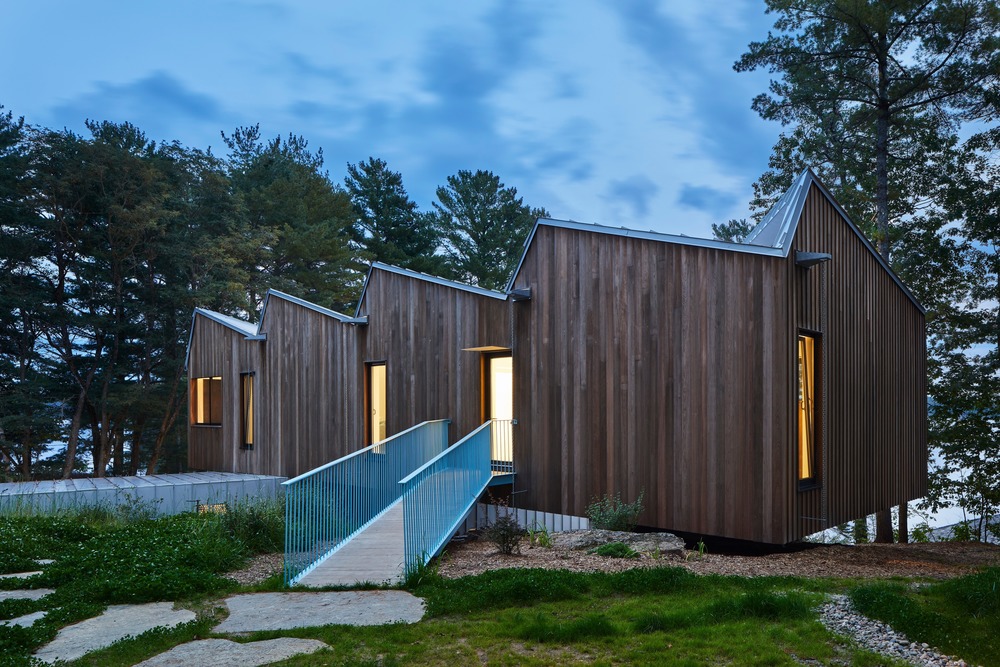
Windows can be a source of both heat gain and heat loss. In net-zero home design strategies, the goal is to harness solar heat in winter and minimize it in summer, while preventing unwanted heat transfer year-round. Consider these methods:
- Install triple-glazed or low-emissivity (low-e) windows to improve insulation and reduce heat transfer.
- Use thermal breaks in window frames to prevent conductive heat loss.
- Seal all window perimeters carefully to avoid air leaks.
- Incorporate operable windows for cross-ventilation, allowing natural cooling during mild weather.
- Employ exterior shading devices, such as shutters or adjustable louvers, to block intense summer sun.
For detailed insights on how energy modeling can help optimize these choices, see energy modeling net-zero homes.
Integrating Windows with Building Envelope and Insulation
Windows are only one part of the building envelope, but their performance is closely tied to the surrounding walls, insulation, and air barrier systems. When planning window placement in energy-efficient homes:
- Ensure window installation aligns with the home’s continuous insulation layer to prevent thermal bridging.
- Choose window sizes and locations that complement the wall’s R-value and overall airtightness.
- Coordinate window layout with mechanical ventilation to maintain indoor air quality without sacrificing efficiency.
Window Placement and Architectural Aesthetics
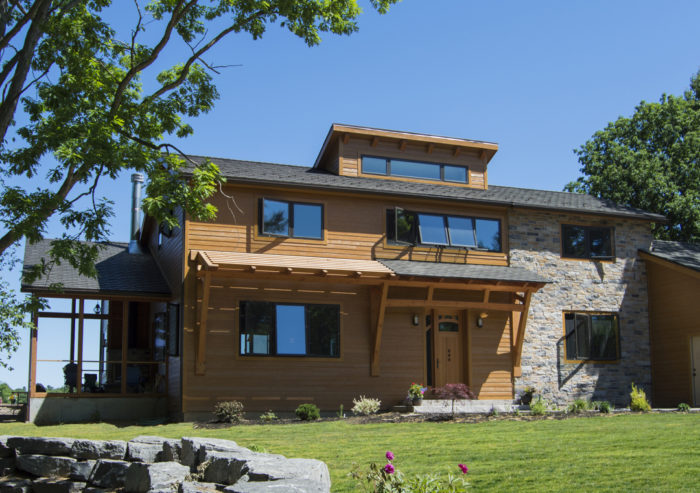
While energy performance is critical, window layout also shapes the look and feel of a home. Modern architectural design for net-zero homes often features large, strategically placed windows that create visual connections to the outdoors and enhance occupant comfort. To achieve both beauty and efficiency:
- Balance window area with wall space to avoid excessive heat loss or gain.
- Align window heights and shapes with interior functions and exterior views.
- Use window groupings or patterns to add architectural interest without compromising performance.
For more on blending technology and aesthetics in sustainable homes, explore architectural design net-zero homes.
Smart Tools and Resources for Window Optimization
Planning window layout for a high-performance home is easier with the right tools. Energy modeling software, daylight simulation, and thermal imaging can all help identify the best window locations and specifications. Products like the Emporia Vue 3 energy monitor or a thermal imaging camera can assist in verifying performance after installation.
For a comprehensive overview of building a sustainable residence, the article on net-zero home building best practices offers valuable insights into the entire process, from design to construction.
Frequently Asked Questions
How does window orientation impact energy use in a net-zero home?
Window orientation determines how much sunlight and heat enter the home throughout the year. South-facing windows maximize winter solar gain, while north-facing windows provide steady daylight. Proper orientation reduces the need for artificial lighting and mechanical heating or cooling, supporting net-zero goals.
What window technologies are recommended for energy-efficient homes?
Look for triple-glazed or low-e windows, insulated frames, and airtight installation. These features minimize heat loss and gain, improve comfort, and contribute to the overall performance of a net-zero building envelope.
Can large windows be used in sustainable homes without sacrificing efficiency?
Yes, but they must be carefully placed and specified. Use larger windows on the south side with shading devices, and limit window area on east and west walls. High-performance glazing and proper installation are essential to prevent unwanted heat transfer.
How do I balance natural light and privacy in window design?
Combine clear and frosted glass, use clerestory or high windows for daylight, and consider landscaping or exterior screens for privacy. Window coverings can also help manage light and views as needed.
Conclusion
Optimizing window placement in net-zero home design is a crucial step toward achieving true energy efficiency and comfort. By considering orientation, size, glazing, and integration with the building envelope, homeowners and builders can create spaces that are bright, comfortable, and sustainable. For further reading on comprehensive approaches, see net-zero home design strategies.
