

Building a home that produces as much energy as it consumes is a significant step toward a more sustainable future. Selecting eco friendly materials for net-zero homes is not just about reducing environmental impact—it’s about creating healthier, more efficient living spaces. As the demand for net-zero construction grows, understanding which materials contribute to energy efficiency, durability, and low carbon emissions becomes essential for homeowners, builders, and architects alike.
This guide explores the most effective sustainable building products, their benefits, and how they fit into the broader strategy of achieving net-zero energy performance. For a deeper dive into product selection and technical comparisons, the net-zero building materials guide provides additional insights and practical tips.
Why Sustainable Materials Matter in Net-Zero Construction
Choosing the right materials is foundational to achieving net-zero energy targets. Sustainable options not only lower a home’s embodied carbon but also improve indoor air quality and long-term performance. By selecting products with recycled content, low toxicity, and high durability, builders can minimize resource depletion and reduce waste throughout the building’s life cycle.
Incorporating eco friendly materials for net-zero homes supports energy efficiency by enhancing insulation, airtightness, and thermal regulation. These factors are critical for reducing heating and cooling loads, making it easier to balance energy use with renewable generation.
Key Types of Eco-Conscious Building Materials
There are several categories of sustainable products that play a pivotal role in net-zero projects. Each offers unique advantages for energy performance, durability, and environmental impact.
High-Performance Insulation for Energy Savings
Insulation is one of the most important contributors to a home’s energy efficiency. Materials such as cellulose (made from recycled paper), mineral wool, and sheep’s wool provide excellent thermal resistance while being less harmful to the environment than conventional fiberglass. Rigid foam boards made from plant-based sources are also gaining popularity for their high R-values and lower embodied carbon.
Low-Carbon Structural Systems
Traditional concrete and steel have high carbon footprints. Alternatives like cross-laminated timber (CLT), bamboo, and engineered wood products offer strength and stability with a fraction of the emissions. These renewable materials also store carbon, further offsetting their environmental impact.
Eco-Friendly Finishes and Flooring
Flooring and finishes can introduce toxins and pollutants if not chosen carefully. Options such as reclaimed wood, cork, linoleum (from natural linseed oil), and recycled-content tiles are both durable and low in volatile organic compounds (VOCs). These choices improve indoor air quality and support a healthier living environment.

Windows, Doors, and Air Sealing: Essential for Net-Zero Performance
High-performance windows and doors are crucial for minimizing energy loss. Triple-glazed windows with insulated frames and low-emissivity coatings help keep heat in during winter and out during summer. Proper air sealing with non-toxic caulks and tapes ensures that conditioned air stays inside, reducing the need for mechanical heating and cooling.
For more on optimizing a home’s thermal envelope, the thermal mass in net-zero homes article explains how material choices can regulate indoor temperatures and improve comfort year-round.
Renewable and Recycled Content: Closing the Loop
Materials with recycled content, such as steel, glass, and composite decking, help divert waste from landfills and reduce the demand for virgin resources. Products made from rapidly renewable sources—like straw bale, hempcrete, and cork—regenerate quickly, making them ideal for sustainable construction.
Using locally sourced materials further reduces transportation emissions and supports regional economies. Whenever possible, prioritize products certified by reputable organizations such as FSC (Forest Stewardship Council) or Cradle to Cradle for added assurance of environmental responsibility.
Indoor Air Quality and Non-Toxic Choices
Healthy indoor environments are a cornerstone of sustainable living. Select paints, adhesives, and sealants that are low in VOCs and free from harmful chemicals. Natural plasters, clay-based paints, and plant-derived finishes contribute to a safer, more comfortable home.
Incorporating eco friendly materials for net-zero homes extends to furnishings and cabinetry. Look for products made from formaldehyde-free plywood, recycled metals, and responsibly harvested woods to further minimize indoor pollutants.
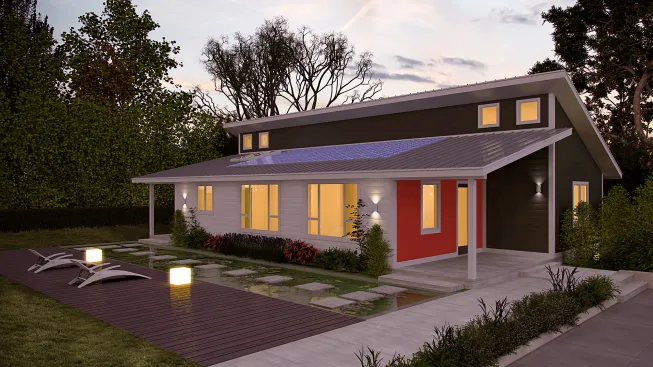
Integrating Smart Design and Sustainable Materials
Material selection is only one part of the equation. Smart design strategies—such as passive solar orientation, natural ventilation, and daylighting—work in tandem with sustainable products to maximize energy efficiency. For practical advice on incorporating fresh air systems, see the natural ventilation net-zero homes guide. Similarly, daylighting strategies net-zero construction can help reduce reliance on artificial lighting and improve occupant well-being.
Combining these design approaches with the right materials ensures that homes not only meet net-zero standards but also provide lasting value and comfort.
Certifications and Standards to Look For
When sourcing products, look for certifications that verify environmental claims. Common labels include:
- FSC (Forest Stewardship Council) for responsibly harvested wood
- Cradle to Cradle for circular design and material health
- GREENGUARD for low-emission products
- Energy Star for energy-efficient appliances and windows
These certifications help ensure that the materials used align with the goals of sustainability and energy efficiency.
Practical Steps for Homeowners and Builders
Transitioning to net-zero construction can seem daunting, but breaking it down into manageable steps makes the process more accessible:
- Start with a clear energy model to determine performance targets.
- Prioritize insulation, air sealing, and high-performance windows.
- Choose structural and finish materials with recycled or renewable content.
- Verify product certifications and environmental claims.
- Work with designers and contractors experienced in sustainable building practices.
For a step-by-step overview of the design process, visit this comprehensive guide to designing a net-zero home.
Frequently Asked Questions
What are the most important eco-friendly materials for net-zero homes?
Key materials include high-performance insulation (such as cellulose or mineral wool), triple-glazed windows, FSC-certified wood, recycled-content steel, and low-VOC finishes. These products help reduce energy use, improve air quality, and lower the home’s overall carbon footprint.
How do sustainable materials impact indoor air quality?
Materials with low or no VOCs, such as natural paints and adhesives, minimize the release of harmful chemicals indoors. Using non-toxic finishes and formaldehyde-free products further improves air quality, making the home healthier for its occupants.
Can I retrofit an existing home with eco-friendly materials to achieve net-zero?
Yes, many sustainable products are suitable for retrofits. Upgrading insulation, replacing windows, sealing air leaks, and choosing non-toxic finishes can significantly improve an existing home’s energy performance and indoor environment.
Conclusion
Adopting eco friendly materials for net-zero homes is a practical and impactful way to reduce environmental impact while creating comfortable, efficient living spaces. By prioritizing sustainable products, integrating smart design, and verifying certifications, homeowners and builders can achieve true net-zero performance. For more tips on green construction, the green building design net-zero homes resource offers additional strategies and inspiration.
