
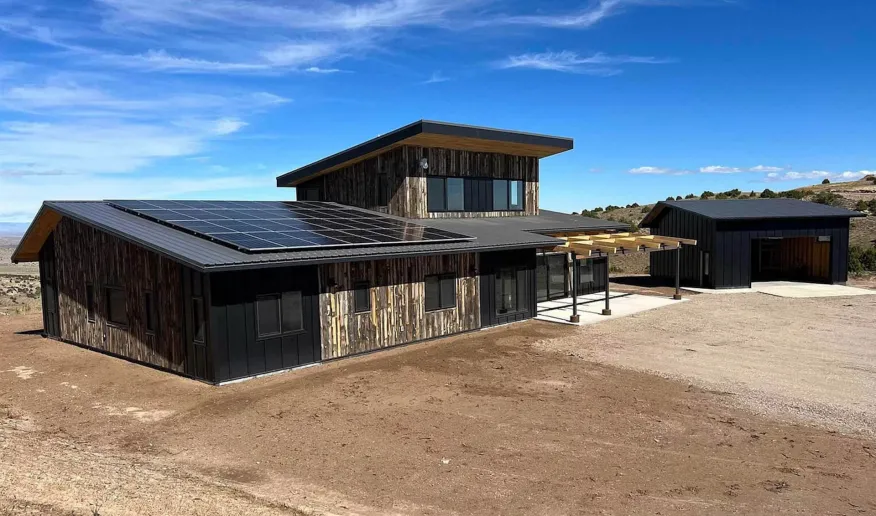
Building homes that achieve net-zero energy performance is becoming a top priority for homeowners, builders, and communities seeking sustainability, comfort, and long-term value. One of the most effective construction methods supporting this goal is the use of insulated concrete forms (ICFs). These innovative building blocks combine strength, insulation, and airtightness, making them a cornerstone in the pursuit of highly efficient, resilient homes.
This article explores how ICFs contribute to energy-efficient design, their role in achieving net-zero standards, and why they are valued for their durability and performance. Along the way, you’ll find practical insights, real-world considerations, and links to further resources, including guides on net-zero building materials and eco friendly materials for net-zero homes.
Before diving into the technical details, it’s important to recognize that insulated concrete forms net-zero homes are not just about energy savings—they represent a holistic approach to sustainable living. For those interested in the broader context of sustainable construction, the article on recycled materials net-zero construction provides an excellent overview of eco-conscious building strategies.
Understanding Insulated Concrete Forms in Sustainable Construction
ICFs are modular units made from rigid foam insulation that are stacked and filled with reinforced concrete. This combination creates a wall system that is both highly insulated and structurally robust. The foam panels remain in place after the concrete cures, providing continuous insulation and a solid barrier against air and moisture infiltration.
Key features of ICFs include:
- High R-Value: The dual-layer insulation dramatically reduces heat transfer, supporting year-round comfort.
- Thermal Mass: The concrete core helps stabilize indoor temperatures by absorbing and slowly releasing heat.
- Airtightness: Fewer gaps and seams mean less air leakage, a critical factor in net-zero design.
- Soundproofing: The dense wall structure also dampens outside noise, improving indoor quality of life.
These attributes make ICFs a popular choice for builders aiming to meet or exceed net-zero energy standards, especially when paired with other sustainable construction materials for net-zero building projects.
How ICFs Support Net-Zero Energy Goals
Achieving net-zero means a home produces as much energy as it consumes over the course of a year. This requires both reducing energy demand and maximizing renewable energy generation. ICFs play a crucial role in this process by minimizing heating and cooling loads, which are typically the largest energy consumers in residential buildings.
Some of the ways ICFs contribute to energy efficiency include:
- Continuous Insulation: Unlike traditional framing, ICFs eliminate thermal bridging, ensuring consistent insulation across the entire wall.
- Reduced HVAC Requirements: Superior insulation and airtightness mean smaller heating and cooling systems can be used, lowering upfront and ongoing costs.
- Compatibility with Renewable Systems: ICF homes are ideal for integrating solar panels, heat pumps, and energy monitoring devices.
For a step-by-step overview of making a home truly net-zero, see this comprehensive guide to net-zero home strategies.
Durability and Long-Term Performance of ICF Homes
One of the standout benefits of insulated concrete forms is their exceptional durability. Unlike wood-framed structures, ICF walls are resistant to rot, mold, pests, and fire. This resilience translates into lower maintenance costs and a longer building lifespan, both of which are vital for sustainable living.
ICF homes also perform well in extreme weather conditions. The robust wall assembly can withstand high winds, heavy snow, and even seismic activity. For homeowners in areas prone to natural disasters, this added protection is a significant advantage.
In addition to energy savings, the longevity and low upkeep of ICFs contribute to a reduced environmental footprint over the building’s lifecycle. When considering low carbon building materials, ICFs offer a compelling balance of performance and sustainability.
Integrating ICFs with Other Net-Zero Strategies
While ICFs provide a strong foundation for efficiency, achieving net-zero requires a holistic approach. This includes:
- High-Performance Windows and Doors: To complement the airtightness of ICF walls, choose windows and doors with excellent thermal performance.
- Efficient Mechanical Systems: Heat pumps, energy recovery ventilators, and smart thermostats further reduce energy use.
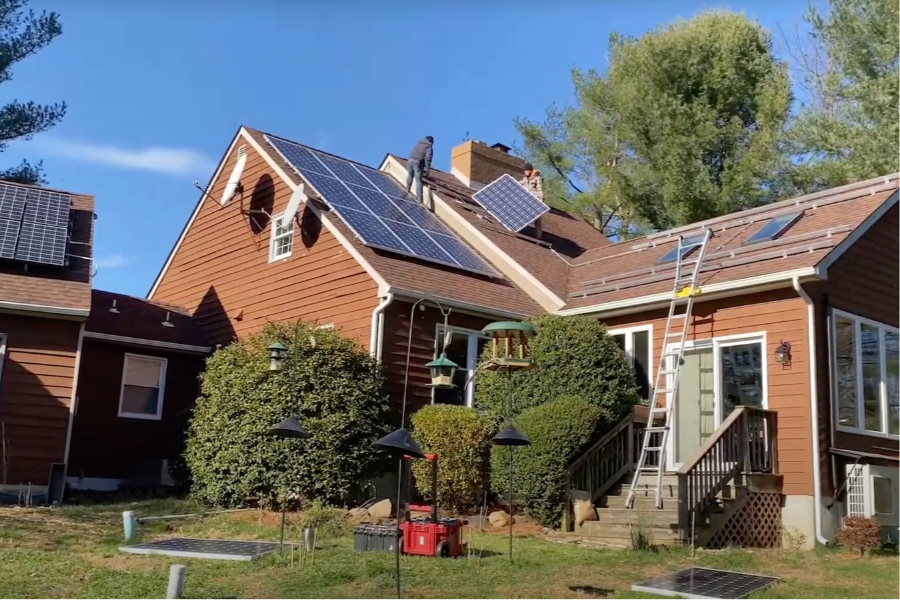
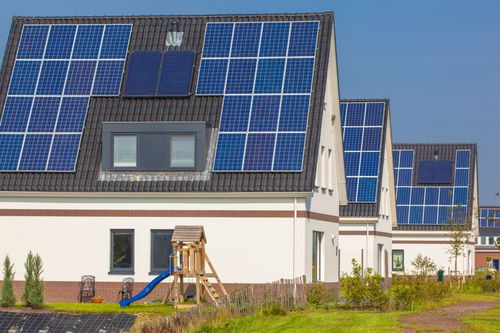
- Onsite Renewable Energy: Solar panels, as shown below, are a common addition to offset remaining energy needs.
- Energy Monitoring: Tools like the Emporia Vue 3 help track usage and optimize performance.
For a deeper dive into material selection, the net-zero building materials guide offers practical advice on choosing products that align with both performance and sustainability goals.
Cost Considerations and Return on Investment
While the upfront cost of building with ICFs can be higher than traditional wood framing, the long-term savings often outweigh the initial investment. Reduced energy bills, lower maintenance, and increased property value all contribute to a favorable return on investment. Additionally, many regions offer incentives or rebates for energy-efficient construction, further improving the financial outlook.
When budgeting for a net-zero project, it’s important to factor in not only the cost of materials but also labor, as ICF installation requires specific expertise. However, the speed of construction and reduced need for additional insulation or air sealing can help offset these costs.
For those seeking to maximize sustainability, pairing ICFs with eco friendly materials for net-zero homes can further enhance environmental and financial benefits.
Common Myths About ICFs in Net-Zero Construction
Despite their proven benefits, some misconceptions persist regarding insulated concrete forms:
- Myth: ICFs Are Only for Cold Climates
Reality: While their insulation is valuable in cold regions, ICFs also excel in hot climates by keeping interiors cool and reducing air conditioning loads. - Myth: Concrete Is Not Sustainable
Reality: Although concrete has a carbon footprint, the energy savings and durability of ICFs can offset this over time. Using recycled content or supplementary cementitious materials can further reduce impact. - Myth: ICF Homes Look Boxy or Industrial
Reality: ICFs are compatible with a wide range of architectural styles and finishes, from traditional to modern.
FAQ: Insulated Concrete Forms and Net-Zero Homes
Are ICF homes more expensive to build than traditional homes?
ICF construction can have a higher upfront cost due to materials and specialized labor, but the long-term savings from reduced energy bills, maintenance, and insurance often make up for the difference. Many homeowners find the investment pays off within a few years.
How do ICFs compare to other wall systems for net-zero performance?
ICFs offer superior insulation, airtightness, and durability compared to wood framing or structural insulated panels (SIPs). Their thermal mass and resistance to moisture and pests make them a strong choice for net-zero projects, especially when combined with other efficient systems.
Can ICFs be used for renovations or only new builds?
While most commonly used in new construction, ICFs can be incorporated into major renovations or additions. However, integrating them with existing structures may require careful planning and professional expertise.
Conclusion
Insulated concrete forms provide a powerful solution for those aiming to build homes that are energy-efficient, resilient, and comfortable. Their combination of insulation, airtightness, and durability supports the ambitious goals of net-zero living. By integrating ICFs with renewable energy, smart monitoring, and sustainable materials, homeowners can create spaces that are not only environmentally responsible but also cost-effective and built to last.
