
As the building industry moves toward more sustainable practices, the use of recycled materials in net-zero construction is gaining momentum. These materials not only help reduce waste and conserve natural resources but also play a crucial role in lowering the carbon footprint of new buildings. By integrating recycled content into construction projects, builders and homeowners can achieve high-performance, energy-efficient structures that align with net-zero goals.
Understanding which recycled products are most effective and how they contribute to a building’s sustainability is essential for anyone interested in green construction. This article explores the most promising recycled options, their benefits, and practical considerations for their use in eco-friendly projects. For a deeper dive into related topics, you might find low carbon building materials explained helpful as well.
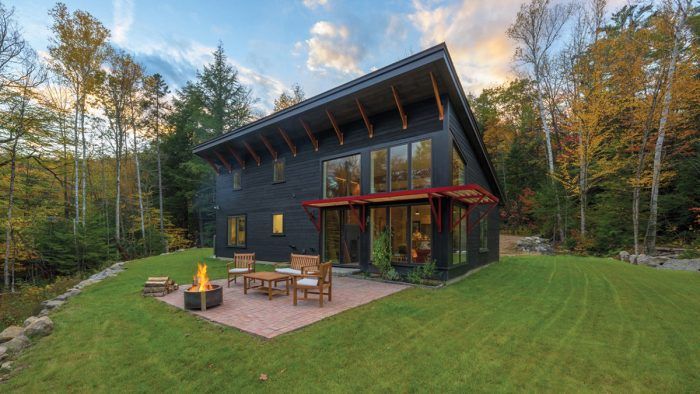
Why Recycled Content Matters for Sustainable Building
Choosing recycled products for construction projects offers several advantages. First, it diverts waste from landfills, giving new life to materials that might otherwise be discarded. Second, manufacturing recycled products typically requires less energy compared to producing new materials from raw resources. This reduction in energy use directly supports the goals of net-zero construction, where the aim is to balance energy consumption with renewable energy generation and minimize greenhouse gas emissions.
Additionally, using recycled content can contribute to certifications such as LEED and other green building standards, making projects more attractive to environmentally conscious clients and investors.
Types of Recycled Materials Used in High-Performance Buildings
The range of recycled products suitable for sustainable construction is expanding. Here are some of the most commonly used materials:
- Recycled Steel: Steel is one of the most recycled materials globally. Using recycled steel for framing and structural components reduces the need for new mining and processing, which are both energy-intensive.
- Reclaimed Wood: Salvaged timber from old buildings, barns, or industrial sites can be repurposed for flooring, beams, or decorative elements. Reclaimed wood brings character and reduces demand for new lumber.
- Recycled Concrete Aggregate (RCA): Old concrete can be crushed and reused as aggregate in new concrete mixes, road bases, or fill material. This practice conserves natural stone and reduces landfill waste.
- Recycled Glass: Glass cullet is often incorporated into countertops, tiles, and insulation products. It provides durability and a unique aesthetic while reducing the need for virgin glass production.
- Recycled Plastic: Plastics are being transformed into insulation, roofing tiles, and even structural lumber alternatives. These products are lightweight, durable, and help address the global plastic waste problem.
- Cellulose Insulation: Made from recycled newspaper and treated for fire resistance, cellulose is a popular insulation choice for energy-efficient homes.
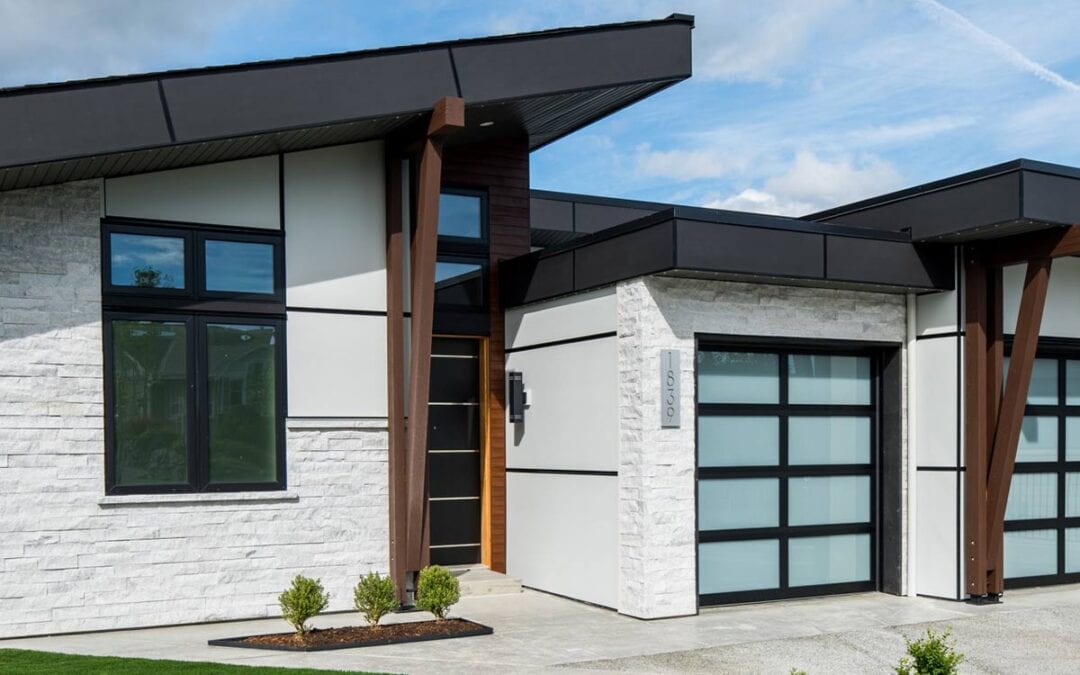
Benefits of Recycled Materials for Net-Zero Projects
Incorporating recycled content into net-zero designs brings multiple benefits:
- Lower Embodied Carbon: Recycled products generally have a smaller carbon footprint than their virgin counterparts, supporting the reduction of overall embodied carbon in buildings.
- Resource Conservation: By reusing materials, builders help preserve finite natural resources for future generations.
- Cost Savings: In some cases, recycled products can be more affordable, especially when locally sourced or salvaged from deconstruction projects.
- Unique Aesthetics: Reclaimed wood, glass, and other salvaged materials often provide a distinctive look that sets a project apart.
For those interested in a broader overview of environmentally friendly construction, the eco friendly materials net-zero homes resource offers additional insights.
Challenges and Considerations When Using Recycled Content
While the advantages are clear, there are also some challenges to consider:
- Quality and Consistency: Not all recycled products are created equal. It’s important to verify the quality and performance of materials, especially for structural applications.
- Availability: Access to certain recycled materials can vary by region, affecting project timelines and costs.
- Building Codes and Standards: Some local codes may limit the use of specific recycled products, so always check regulations before specifying materials.
- Processing and Transportation: The environmental benefits of recycled content can be offset if materials require extensive processing or long-distance transportation. Sourcing locally is ideal.
How to Source and Specify Recycled Products for Green Construction
To maximize the benefits of recycled content in sustainable building projects, consider the following tips:
- Work with Reputable Suppliers: Choose vendors with a track record of providing high-quality, certified recycled products.
- Request Documentation: Ask for information on recycled content percentages, sourcing, and environmental certifications.
- Prioritize Local Materials: Whenever possible, use materials sourced or manufactured close to the project site to reduce transportation emissions.
- Integrate Early in Design: Plan for recycled content from the outset, as retrofitting or substituting materials later can be challenging.
For a more detailed approach to selecting building products for energy-efficient homes, the net-zero building materials guide provides practical advice.
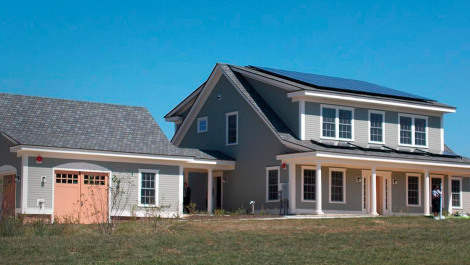
Case Studies: Real-World Examples of Recycled Content in Action
Many successful net-zero projects have demonstrated the value of integrating recycled materials. For instance, some residential and commercial buildings use steel with high recycled content for framing, while others feature reclaimed wood flooring and recycled glass countertops. These projects not only achieve impressive energy performance but also showcase the aesthetic and environmental benefits of sustainable material choices.
Builders and architects are increasingly sharing their experiences and best practices, making it easier for others to follow suit. For a comprehensive look at the process, this overview of net-zero home building provides practical information on integrating recycled content and achieving energy goals.
Integrating Recycled Materials with Other Green Strategies
To maximize the impact of recycled products, combine them with other sustainable building practices. For example, pairing recycled insulation with thermal mass in net-zero homes can enhance energy efficiency and comfort. Additionally, using recycled content alongside strategies like daylighting in net-zero construction helps create healthier, more resilient spaces.
By taking a holistic approach, builders can ensure that every aspect of a project contributes to its overall sustainability and long-term performance.
Frequently Asked Questions
What Are the Most Common Recycled Materials Used in Sustainable Construction?
The most widely used recycled products in green building include steel, reclaimed wood, recycled concrete aggregate, glass, plastics, and cellulose insulation. Each offers unique benefits for reducing environmental impact and supporting net-zero objectives.
How Do Recycled Materials Contribute to Net-Zero Goals?
Recycled content helps lower the embodied carbon of a building, conserves natural resources, and often requires less energy to produce. These factors support the overall aim of balancing energy use with renewable generation and minimizing greenhouse gas emissions.
Are There Any Drawbacks to Using Recycled Products in Construction?
Potential challenges include variability in quality, limited availability in some regions, and the need to comply with local building codes. However, careful sourcing and planning can help address these issues and ensure successful outcomes.
