
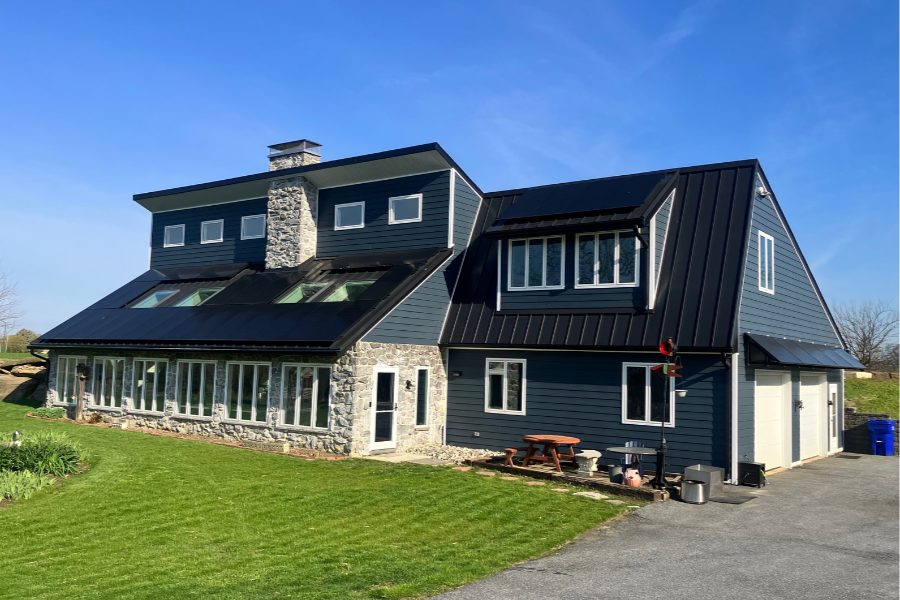
Achieving a net-zero energy building requires more than just solar panels and efficient appliances. One of the most critical steps is creating a tight building envelope using the right air sealing materials. Proper air barrier installation minimizes leaks, reduces energy waste, and supports healthy indoor air quality. For anyone planning a high-performance or sustainable home, understanding the best products and techniques for air sealing is essential.
This article explores the most effective materials, their applications, and the essential tools needed for airtight construction. We’ll also connect you with additional resources, such as a detailed net-zero building materials guide, to help you make informed decisions for your project.
Why Air Sealing Is Critical for Net-Zero Energy Homes
Air leaks can undermine even the most advanced insulation and mechanical systems. In net-zero construction, every gap or crack is a potential source of energy loss. By using high-quality air sealing materials, builders can:
- Reduce heating and cooling loads
- Prevent moisture intrusion and mold growth
- Enhance occupant comfort
- Improve indoor air quality by controlling pollutant entry
Effective air sealing is a foundational step, working hand-in-hand with other sustainable construction materials for net-zero projects to deliver long-term energy savings and durability.
Types of Air Sealing Materials Used in Net-Zero Projects
There are several categories of products designed to block air movement through the building envelope. The most common and effective air sealing materials for high-performance homes include:
- Spray Foam Sealants: Expanding polyurethane or latex foam fills gaps around windows, doors, and penetrations. Closed-cell spray foam also adds insulation value.
- Caulks and Sealants: Acrylic, silicone, and hybrid caulks are used for sealing joints, cracks, and seams in framing, sheathing, and finish materials.
- Adhesive Tapes: Specialized air barrier tapes seal seams in sheathing, housewrap, and vapor barriers. They are essential for continuous air barrier systems.
- Gaskets and Weatherstripping: Foam or rubber gaskets are installed at framing connections and around doors to prevent air leakage.
- Membranes and Housewraps: Sheet goods like vapor-permeable membranes provide a continuous air and weather barrier when properly detailed.
Choosing the right combination depends on climate, building design, and the specific details of your project. For example, insulated concrete forms net-zero homes often require different sealants than wood-framed buildings.

Essential Tools for Air Sealing Success
Proper installation is as important as material selection. To ensure a continuous air barrier, builders and DIYers rely on these essential tools:
- Caulking Guns: For precise application of caulks and sealants along joints and cracks.
- Spray Foam Applicators: Used to apply expanding foam in hard-to-reach areas.
- Rollers and Squeegees: For pressing tapes and membranes firmly onto surfaces, ensuring full adhesion.
- Utility Knives and Scissors: Cutting tapes, membranes, and gaskets to size.
- Thermal Imaging Cameras: Identify air leaks by visualizing temperature differences in the building envelope.
- Blower Door Test Equipment: Measures the airtightness of the structure and pinpoints leakage areas.
Combining the right air sealing materials with these tools helps achieve the stringent performance targets required for net-zero certification.
Best Practices for Installing Air Barriers in Net-Zero Construction
To maximize the effectiveness of your air sealing strategy, follow these best practices:
- Plan Early: Integrate air barrier details into the design phase. Identify critical transitions and penetrations that need special attention.
- Use Compatible Products: Ensure that tapes, sealants, and membranes are designed to work together and adhere to the substrates in your project.
- Seal All Penetrations: Pay close attention to electrical boxes, plumbing, ductwork, and other openings. Use gaskets, caulk, or foam as appropriate.
- Test Airtightness: Perform blower door tests before drywall installation to catch and correct leaks while they are still accessible.
- Train Your Crew: Make sure everyone understands the importance of a continuous air barrier and knows how to install products correctly.
For more on sustainable product selection, see our article on eco friendly materials net-zero homes.

How Air Sealing Materials Contribute to Net-Zero Performance
Air sealing is a cornerstone of net-zero construction because it directly impacts energy use and comfort. By minimizing uncontrolled airflow, these materials:
- Allow HVAC systems to operate more efficiently
- Reduce the risk of condensation and related structural issues
- Support the effectiveness of insulation by preventing drafts
- Help meet the strict energy codes and certifications for net-zero buildings
Builders who prioritize air sealing often see measurable improvements in blower door test results, which are required for many green building certifications. For a deeper dive into the environmental benefits of advanced building products, check out our guide on low carbon building materials explained.
Choosing the Right Products for Your Project
With so many options on the market, selecting the best air sealing solution depends on your specific needs. Consider the following:
- Climate Zone: Some products perform better in cold, hot, or mixed climates.
- Building Type: New construction allows for integrated air barriers, while retrofits may require more targeted approaches.
- Compatibility: Ensure all materials work together for a continuous, durable seal.
- Cost and Availability: Balance performance with your project budget and local product options.
For inspiration and design ideas, see these innovative net-zero energy home designs that showcase airtight construction in action.
Frequently Asked Questions
- What are the most effective air sealing materials for net-zero homes?
- Spray foam, high-quality caulks, air barrier tapes, gaskets, and vapor-permeable membranes are among the most effective materials. The best choice depends on your climate, building type, and specific details.
- How do I know if my air sealing is effective?
- Blower door testing is the industry standard for measuring airtightness. Thermal imaging cameras can also help identify leaks. Address any problem areas before finishing interior surfaces.
- Can air sealing improve indoor air quality?
- Yes. By controlling air movement, you prevent outdoor pollutants, allergens, and moisture from entering the home. This supports healthier indoor environments, especially when combined with balanced ventilation.
Conclusion
Building a net-zero energy home requires careful attention to every detail, and air sealing materials play a pivotal role in achieving energy efficiency and comfort. By selecting the right products, following best practices, and using the proper tools, you can create a durable, high-performance building envelope. For more guidance on sustainable product selection, see our comprehensive net-zero building materials guide.
