

Transitioning to a net-zero home is increasingly achievable thanks to advancements in solar energy net-zero home systems. Homeowners are seeking practical ways to reduce their carbon footprint, lower utility bills, and create energy-resilient living spaces. This article provides a grounded look at how solar power integrates with other building strategies to help achieve net-zero status, what components are involved, and the steps required for successful implementation.
Building a highly efficient home involves more than just installing solar panels. It requires a holistic approach that includes airtight construction, quality insulation, and efficient windows. For those interested in optimizing their building envelope, resources like air sealing materials net-zero construction offer valuable insights into minimizing energy loss and maximizing the benefits of renewable energy systems.
Understanding Net-Zero Homes and Solar Integration
A net-zero home is designed to produce as much energy as it consumes over the course of a year. This is achieved by combining energy efficiency measures with on-site renewable energy generation, most commonly through solar photovoltaic (PV) systems. The goal is to balance energy use with clean energy production, resulting in a net annual energy bill of zero.
Solar energy plays a central role in this equation. By harnessing sunlight and converting it into electricity, homeowners can offset their consumption from the grid. When paired with efficient building practices—such as advanced insulation, high-performance windows, and airtight construction—the amount of energy required is minimized, making it easier for the solar system to meet or exceed the home’s needs.
Key Components of Solar-Powered Net-Zero Home Systems
To successfully implement solar energy net-zero home systems, several core components must work together:
- Solar Panels (PV Modules): These capture sunlight and convert it into direct current (DC) electricity.
- Inverter: Converts DC electricity from the panels into alternating current (AC) for use in the home.
- Battery Storage (Optional): Stores excess solar energy for use during nighttime or cloudy periods, increasing self-sufficiency.
- Energy Monitoring: Tracks energy production and consumption, helping homeowners optimize usage and identify inefficiencies.
- Grid Connection: Allows for net metering, where surplus energy is sent to the grid and credited to the homeowner’s account.
Each of these elements contributes to a seamless, efficient system that supports the net-zero goal.
Designing for Maximum Efficiency
While solar panels are essential, the effectiveness of a net-zero home depends on the entire building envelope. Prioritizing insulation, airtightness, and efficient windows reduces the total energy demand, allowing a smaller solar array to meet the home’s needs. For more on this, see the high performance windows net-zero homes guide, which discusses window selection for energy savings.
Other strategies include:
- Orienting the home and roof to maximize solar exposure
- Minimizing thermal bridging through advanced framing techniques
- Using green insulation materials explained to further reduce heat loss
- Implementing smart controls for heating, cooling, and lighting
Installation and Sizing Considerations
Determining the appropriate size for a solar system involves calculating the home’s annual energy usage and factoring in efficiency upgrades. Energy modeling tools and professional assessments can help estimate the required capacity. It’s important to consider:
- Local climate and solar irradiance
- Roof size, orientation, and shading
- Future changes in energy use (such as adding electric vehicles)
- Available incentives and rebates
Proper sizing ensures the system meets energy needs without unnecessary expense or overproduction.

Monitoring and Maintaining Your Solar Net-Zero System
Once installed, ongoing monitoring is crucial for maintaining optimal performance. Energy monitors like the Emporia Vue 3 can provide real-time data on energy production and consumption, helping homeowners spot issues early and adjust usage patterns for maximum efficiency. Periodic inspections and cleaning of solar panels, as well as professional system checks, help ensure longevity and reliability.
Thermal imaging cameras are also useful for identifying heat leaks or insulation gaps that could undermine efficiency. Addressing these issues promptly supports the overall performance of the system and keeps energy use in check.
Cost, Incentives, and Payback
The initial investment in solar energy net-zero home systems can be significant, but various incentives and rebates are available to offset costs. These may include federal tax credits, state or provincial programs, and utility rebates. Over time, energy savings and potential net metering credits can lead to a favorable payback period, making the transition financially viable for many homeowners.
For a step-by-step look at designing a zero-energy residence, see this comprehensive guide to net-zero home design which covers planning, budgeting, and implementation.
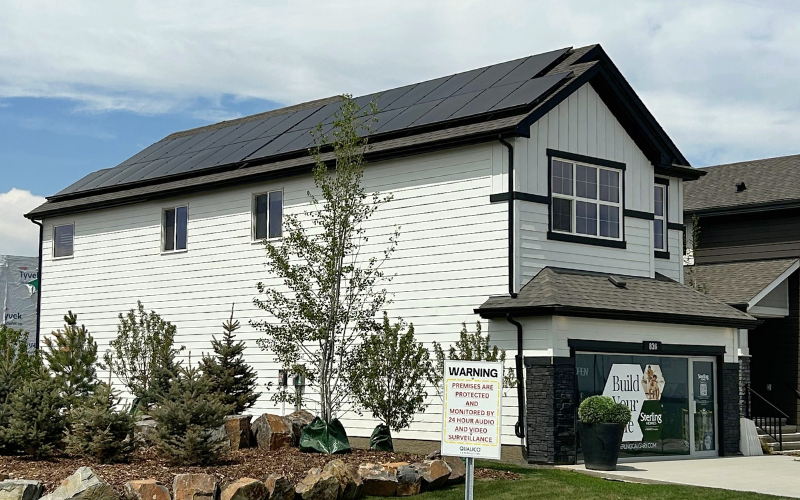
Beyond Solar: Complementary Strategies for Net-Zero Living
Solar power is most effective when combined with other high-performance building strategies. Consider integrating:
- Wood framing for net-zero homes guide for structural efficiency and reduced thermal bridging
- Insulated concrete forms net-zero homes for enhanced durability and thermal performance
- Smart thermostats and energy-efficient appliances
- Passive solar design elements, such as shading and daylighting
Combining these elements with solar generation creates a resilient, comfortable, and future-ready home.
Common Challenges and Solutions
While the path to a net-zero home is straightforward in principle, several challenges can arise:
- Shading: Trees, nearby buildings, or roof obstructions can reduce solar output. Careful site assessment and design can mitigate these issues.
- Budget Constraints: Upfront costs can be high, but phased upgrades and leveraging incentives help make the process manageable.
- Regulatory Hurdles: Local permitting and utility interconnection requirements vary. Working with experienced professionals streamlines approvals and ensures compliance.
With proper planning and expert guidance, these obstacles can be overcome, paving the way for a successful net-zero project.
Frequently Asked Questions
How much solar do I need for a net-zero home?
The required solar capacity depends on your home’s annual energy consumption, local climate, and efficiency upgrades. An energy audit and professional assessment can provide a tailored estimate.
Can I achieve net-zero without battery storage?
Yes, many net-zero homes rely on grid-tied solar systems with net metering. Batteries add resilience and self-sufficiency but are not strictly necessary for achieving net-zero status.
What are the main benefits of a solar-powered net-zero home?
Key advantages include lower utility bills, reduced environmental impact, increased comfort, and protection against energy price fluctuations. These homes are also more resilient to power outages when paired with battery storage.
Conclusion
Adopting solar energy net-zero home systems is a practical and impactful way to create a sustainable, energy-independent living environment. By combining solar generation with robust building practices and smart technology, homeowners can achieve true net-zero performance, reduce costs, and contribute to a cleaner future. Careful planning, ongoing monitoring, and a commitment to efficiency are the keys to long-term success.
