
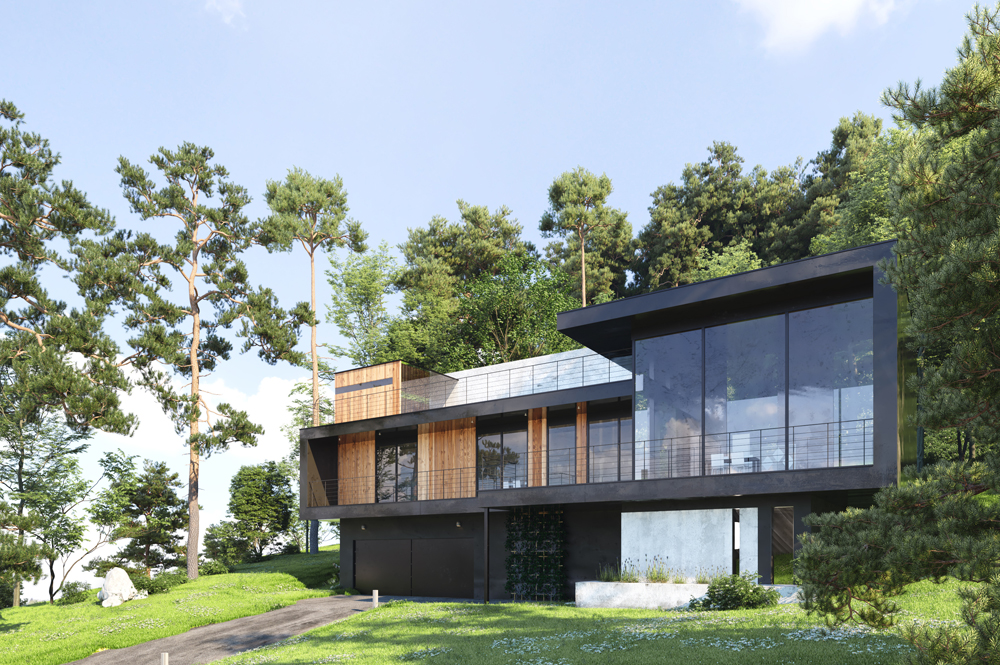
Achieving a truly sustainable household is no longer just a vision for the future. With advances in renewable energy net-zero homes are becoming a practical reality for homeowners seeking to reduce their carbon footprint and energy bills. This article explores how integrating clean energy sources and smart building strategies can help you create a residence that produces as much energy as it consumes over the course of a year.
From solar panels to efficient insulation, the journey to a net-zero lifestyle involves a combination of technology, design, and behavioral changes. Whether you are planning a new build or retrofitting an existing property, understanding the key components of a low-impact home is the first step. For those interested in specific technologies, you might also want to explore related topics like wind energy net-zero residential use or solar energy net-zero home systems for a broader perspective.
Understanding Net-Zero Energy Homes
A net-zero energy home is designed and built to generate as much renewable power as it consumes annually. These residences rely on a mix of energy-efficient construction, advanced insulation, and onsite renewable sources such as solar or wind. The ultimate goal is to balance energy use with clean generation, resulting in minimal reliance on fossil fuels and a significant reduction in greenhouse gas emissions.
Key features of these homes include:
- High-performance insulation and airtight construction
- Energy-efficient windows and doors
- Advanced heating, ventilation, and air conditioning (HVAC) systems
- Onsite renewable energy systems like solar photovoltaic (PV) panels or wind turbines
- Smart energy monitoring and management tools
For a deeper dive into structural considerations, check out the wood framing net-zero homes guide or learn about insulated concrete forms for net-zero homes for enhanced durability and energy performance.
Integrating Renewable Energy Systems
One of the most effective ways to reach net-zero status is by harnessing renewable resources. Solar energy remains the most popular option for residential applications, but wind and even geothermal can play a role depending on your location and site conditions.
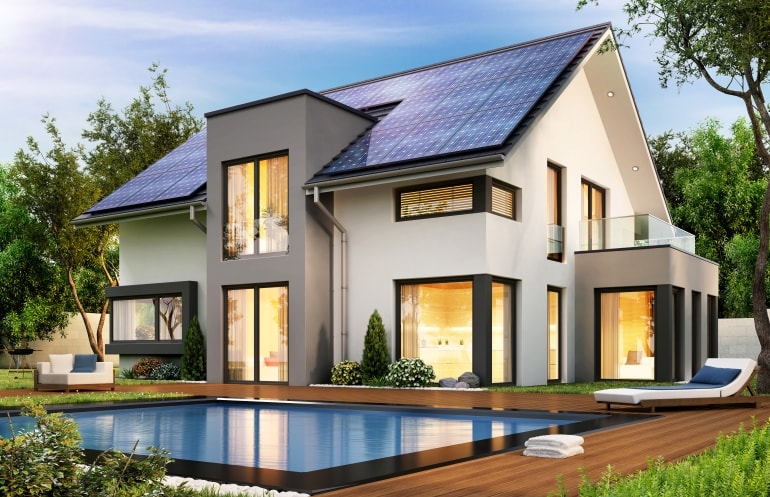
Solar panels convert sunlight into electricity, often producing enough power to offset the majority of a home’s needs. Battery storage systems can capture excess generation for use during cloudy days or at night. For properties with suitable wind resources, small-scale turbines can supplement solar output and further reduce grid dependence. If you are curious about the pros and cons of wind, see our article on wind energy for net-zero residential use.
Geothermal heat pumps are another option, using the stable temperature of the earth to provide highly efficient heating and cooling. While the upfront investment can be significant, the long-term savings and environmental benefits are substantial.
Building Envelope and Energy Efficiency
Before investing in renewable systems, it’s essential to minimize your home’s energy demand. The building envelope—walls, roof, windows, and floors—plays a critical role in maintaining comfort and reducing heat loss or gain. High-quality insulation and air sealing are foundational for any net-zero project.
Materials matter, too. Using green insulation materials can further reduce environmental impact while providing excellent thermal performance. Double or triple-glazed windows, insulated doors, and careful attention to construction details all contribute to lower energy requirements.
Smart design strategies, such as orienting windows for passive solar gain and incorporating shading elements, can also help maintain indoor comfort with less reliance on mechanical systems.
Smart Energy Monitoring and Management
To truly optimize a renewable energy net-zero home, monitoring and managing energy flows is essential. Smart meters, circuit-level monitors, and home automation systems allow homeowners to track consumption and generation in real time. This data helps identify inefficiencies, adjust usage patterns, and maximize the value of onsite generation.
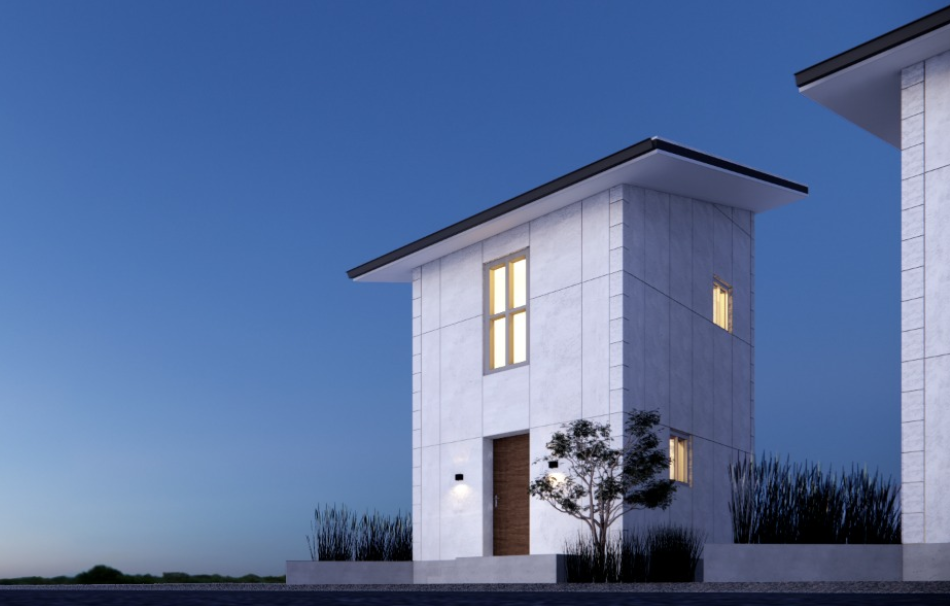
Advanced thermostats and automation can schedule appliances and HVAC systems to run when renewable generation is highest, further reducing grid reliance. For those interested in a step-by-step approach, this comprehensive guide to building a net-zero home offers practical tips and real-world examples.
Cost Considerations and Incentives
While the initial investment in high-performance construction and renewable energy systems can be significant, the long-term savings on utility bills and maintenance often offset these costs. Many regions offer incentives, rebates, and tax credits for energy-efficient upgrades and renewable installations, making the transition more affordable.
It’s important to work with experienced professionals who understand the unique requirements of net-zero design. A thorough energy model can help you size systems appropriately and avoid over- or under-investing in technology.
Benefits Beyond Energy Savings
Adopting a renewable energy net-zero home approach offers more than just lower utility bills. These homes provide improved indoor air quality, enhanced comfort, and greater resilience during power outages. They also contribute to a healthier environment by reducing greenhouse gas emissions and reliance on nonrenewable resources.
Additionally, net-zero properties often command higher resale values and appeal to a growing segment of eco-conscious buyers. As building codes and market expectations evolve, investing in sustainable design is becoming a smart long-term strategy.
Frequently Asked Questions
What is the difference between a net-zero home and a traditional energy-efficient home?
While both types prioritize reducing energy use, a net-zero home is specifically designed to produce as much renewable energy as it consumes annually. A traditional energy-efficient home may use less energy than average but does not necessarily generate its own power or achieve true energy balance.
Can existing homes be retrofitted to achieve net-zero status?
Yes, many existing properties can be upgraded with improved insulation, high-performance windows, and renewable energy systems. The process may be more complex than starting from scratch, but significant reductions in energy use and emissions are possible with the right approach.
How do I know which renewable energy system is best for my home?
The ideal solution depends on your location, climate, site orientation, and energy needs. Solar PV is the most common choice, but wind or geothermal may be viable in certain areas. Consulting with a qualified professional and conducting an energy audit will help determine the best fit for your household.
Conclusion
Transitioning to a renewable energy net-zero home is a significant step toward sustainability, energy independence, and long-term savings. By combining efficient building practices with clean energy generation and smart management, homeowners can enjoy comfortable, resilient living spaces while making a positive impact on the environment. Whether you are building new or upgrading an existing property, the path to net-zero is more accessible than ever.
