
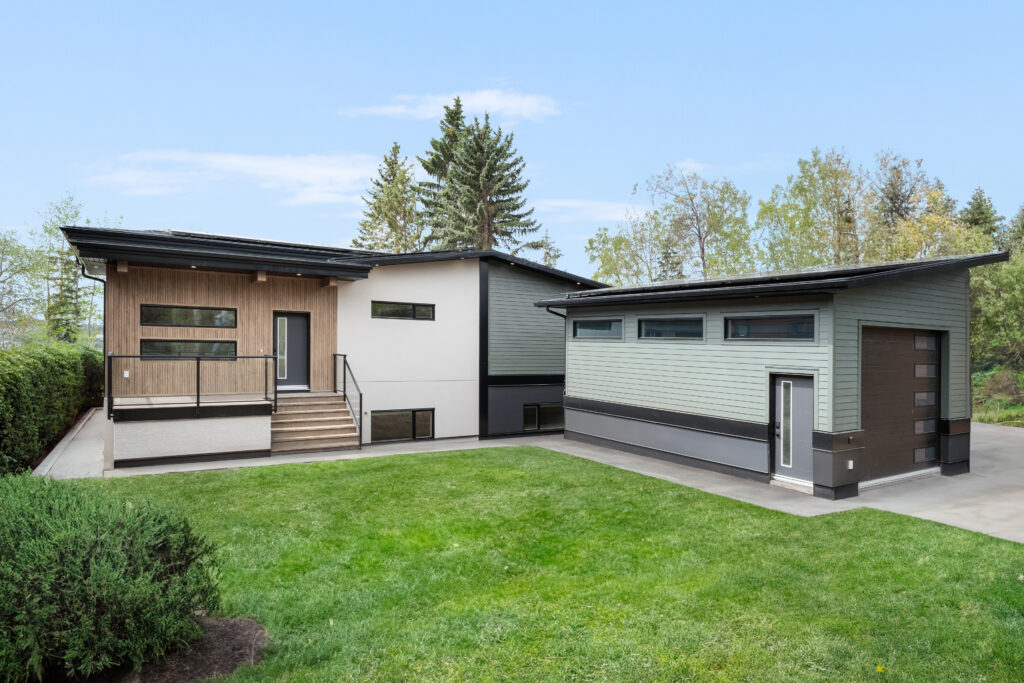
Living independently from public utilities is no longer just a dream for eco-conscious homeowners. Off grid net-zero home systems are transforming the way people approach sustainability, comfort, and energy efficiency. By combining renewable energy, smart design, and advanced technology, these homes can operate entirely off the grid while maintaining a minimal carbon footprint. This guide explores the essential components, benefits, and practical steps to achieve a truly independent, net-zero lifestyle.
For those interested in specific technologies, such as heat pumps for net-zero homes, there are dedicated resources to help you understand how each system contributes to the bigger picture of energy independence.
What Does It Mean to Be Off-Grid and Net-Zero?
To understand the value of off grid net-zero home systems, it’s important to clarify the terms:
- Off-grid means the home is not connected to public utilities, such as electricity, water, or sewer systems. All resources are generated, stored, and managed on-site.
- Net-zero refers to a home that produces as much energy as it consumes over the course of a year, typically through renewable sources and high-efficiency design.
Combining these two concepts results in a home that is both energy self-sufficient and environmentally responsible, providing resilience and long-term savings.
Core Elements of Off-Grid Net-Zero Home Systems
Achieving true independence requires a holistic approach. The following components are essential for a successful off-grid, net-zero setup:
Renewable Energy Generation
The foundation of any independent home is its ability to generate clean power. Solar panels are the most common choice, but wind turbines and micro-hydro systems can also be integrated, depending on location and climate. For a deeper dive into solar options, see this overview of solar energy for net-zero home systems.
Energy Storage Solutions
Because renewable sources like solar and wind are intermittent, robust battery storage is critical. Modern lithium-ion batteries store excess energy produced during the day for use at night or during cloudy periods. Some systems also incorporate backup generators for emergencies, but the goal is to minimize fossil fuel reliance.
Efficient Heating and Cooling
Heating and cooling are among the largest energy demands in any home. High-performance insulation, airtight construction, and advanced HVAC systems—such as heat pumps—are vital. Explore how heat pumps for net-zero homes can dramatically improve efficiency and comfort.
Water Independence
Off-grid homes typically rely on wells, rainwater harvesting, and advanced filtration systems to supply clean water. Greywater recycling and composting toilets further reduce water waste and environmental impact.
Smart Energy Management
Monitoring and controlling energy use is crucial. Smart meters and home automation allow homeowners to track consumption, optimize appliance usage, and identify opportunities for further savings. Devices like the Emporia Vue 3 make it easier to visualize and manage household energy flows.
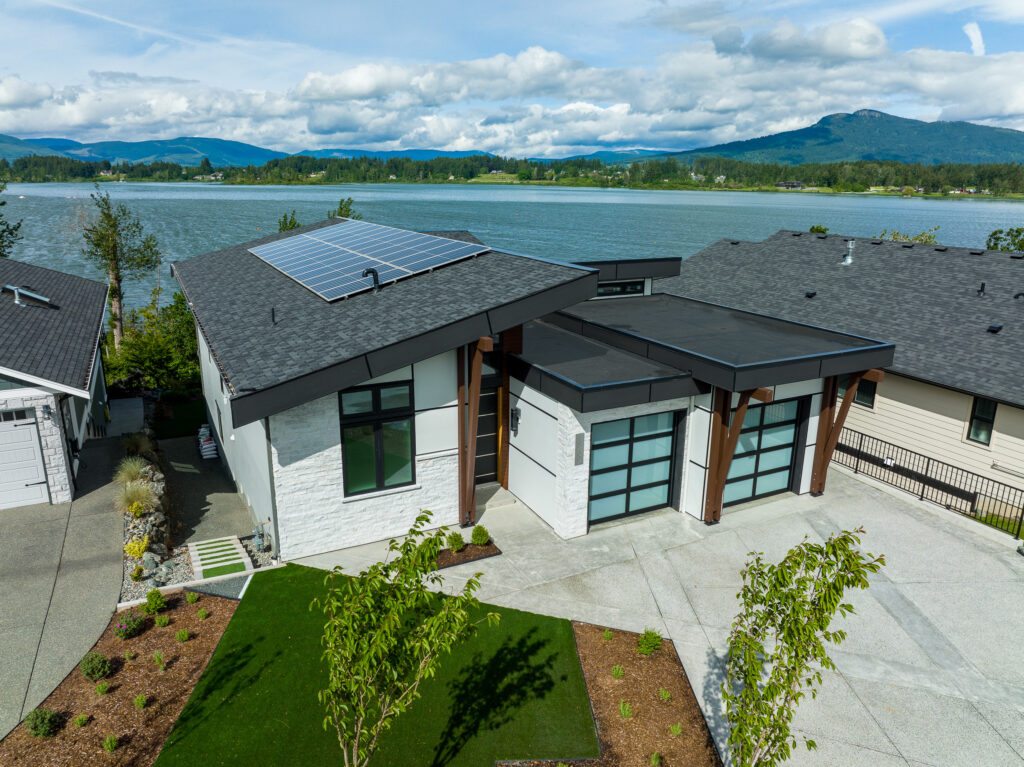
Design Strategies for Maximum Efficiency
Building or retrofitting a home for off-grid, net-zero performance involves more than just adding solar panels. Every design choice impacts the overall efficiency and comfort of the home.
Passive Solar Design
Orienting the home to maximize sunlight during winter and minimize heat gain in summer reduces heating and cooling needs. Large, south-facing windows, thermal mass (such as concrete floors), and strategic shading all contribute to passive comfort.
High-Performance Envelope
Thick insulation, triple-glazed windows, and airtight construction keep conditioned air inside and unwanted heat or cold out. A well-sealed building envelope is essential for minimizing energy loss.
Advanced Ventilation
Heat recovery ventilators (HRVs) or energy recovery ventilators (ERVs) provide fresh air while capturing heat from outgoing air, maintaining indoor air quality without sacrificing efficiency.
Choosing the Right Renewable Energy Mix
No two properties are alike, and the ideal combination of renewable sources depends on local climate, geography, and budget. While solar is the most accessible option, wind and geothermal systems can provide additional resilience and year-round performance.
For those considering wind, wind energy for net-zero residential use offers insights into feasibility and system sizing. Geothermal systems, explained in detail in geothermal heating net-zero homes explained, can provide highly efficient heating and cooling using the stable temperatures underground.
Benefits of Total Energy Independence
There are many reasons why homeowners pursue off-grid, net-zero living:
- Resilience: Independence from the grid protects against outages, rising utility costs, and supply disruptions.
- Environmental Impact: Generating clean energy and reducing waste lowers your carbon footprint and supports a healthier planet.
- Long-Term Savings: While initial investments can be significant, reduced utility bills and maintenance costs pay off over time.
- Comfort and Control: Advanced systems allow for precise control over indoor climate and resource use, enhancing comfort and peace of mind.
Challenges and Considerations
While the advantages are compelling, there are also unique challenges to consider:
- Upfront Costs: High-quality solar panels, batteries, and efficient appliances require significant investment.
- System Maintenance: Regular upkeep of batteries, filters, and renewable energy systems is necessary to ensure reliability.
- Technical Complexity: Designing and managing integrated systems can be complex and may require professional expertise.
- Location Limitations: Not all sites are suitable for every renewable technology; careful assessment is key.
For a comprehensive look at the process and real-world examples, see this detailed guide to net-zero homes from industry experts.
Getting Started: Steps Toward Off-Grid Net-Zero Living
- Assess Your Site: Evaluate solar, wind, and geothermal potential, as well as water resources.
- Set Clear Goals: Decide whether you want to go fully off-grid or start with partial independence.
- Work with Experts: Consult architects, engineers, and installers experienced in sustainable home design.
- Prioritize Efficiency: Invest in insulation, efficient appliances, and smart controls before sizing renewable systems.
- Plan for Storage: Ensure you have adequate battery capacity and backup options for critical loads.
- Monitor and Adapt: Use energy monitors and smart devices to track performance and make adjustments over time.
Frequently Asked Questions
How much does it cost to build an off-grid, net-zero home?
The cost varies widely based on location, size, and system choices. While initial expenses can be higher than conventional homes, long-term savings from reduced utility bills and maintenance often offset the investment. Many homeowners find that government incentives and rebates can help lower upfront costs.
Can existing homes be retrofitted for off-grid, net-zero performance?
Yes, many existing homes can be upgraded with better insulation, efficient appliances, and renewable energy systems. However, some properties may face limitations due to orientation, structure, or local regulations. Consulting with experienced professionals is recommended for a successful retrofit.
What maintenance is required for these systems?
Regular maintenance includes cleaning solar panels, checking battery health, servicing HVAC systems, and replacing filters. Staying proactive ensures reliability and maximizes the lifespan of your investment.
Conclusion
Embracing off grid net-zero home systems offers a path to true energy independence, environmental stewardship, and long-term comfort. By carefully planning your energy mix, investing in efficiency, and leveraging smart technology, you can create a home that stands resilient against changing times while minimizing your ecological impact. Whether building new or upgrading an existing property, the journey toward total independence is both achievable and rewarding.
