
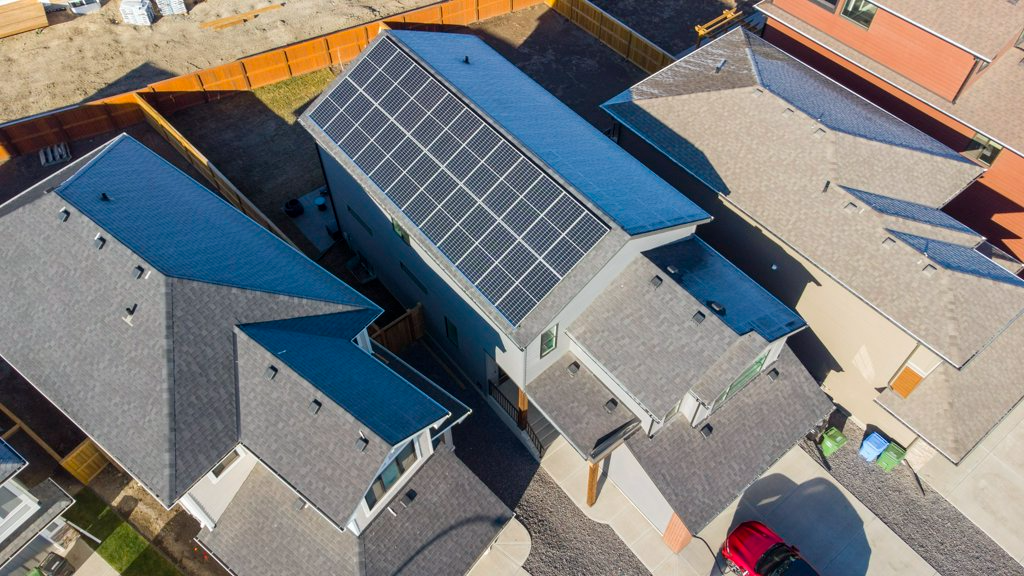
Achieving a net-zero home means balancing the energy used with renewable energy produced on-site. One of the most effective ways to reach this goal is by using heat pumps for net-zero homes. These systems provide both heating and cooling with remarkable efficiency, making them a cornerstone of sustainable residential design. As more homeowners look to reduce their carbon footprint and utility bills, understanding how heat pumps fit into a net-zero strategy is essential.
Alongside other innovations like solar energy net-zero home systems and advanced insulation, heat pumps deliver year-round comfort while minimizing energy waste. This article explores how these systems work, their benefits, and what to consider when integrating them into a high-performance home.
Why Heat Pumps Are Ideal for Sustainable Homes
Modern heat pumps are designed to move heat rather than generate it, which makes them far more efficient than conventional furnaces or air conditioners. In a net-zero context, this efficiency is crucial. By extracting heat from the air, ground, or water and transferring it indoors or outdoors as needed, these systems can deliver up to three times more energy than they consume in electricity.
There are several types of heat pumps commonly used in energy-efficient homes:
- Air-source heat pumps: The most popular choice, these units transfer heat between the indoor air and the outside environment.
- Ground-source (geothermal) heat pumps: These systems use the stable temperature of the earth to provide even greater efficiency, though they require more extensive installation.
- Water-source heat pumps: Less common, these use nearby water bodies as a heat exchange medium.
For homeowners aiming for net-zero, air-source and ground-source models are the most accessible and practical solutions.
How Heat Pumps Contribute to Net-Zero Performance
Integrating heat pumps for net-zero homes is about more than just swapping out an old furnace. These systems play a pivotal role in reducing overall energy demand, which is the first step toward net-zero. Here’s how they make a difference:
- High efficiency: Modern heat pumps can achieve efficiencies of 300% or more, meaning they deliver three units of heat for every unit of electricity used.
- All-electric operation: Because they run on electricity, heat pumps are a perfect match for homes powered by solar panels or other renewables.
- Year-round comfort: The same system provides both heating and cooling, simplifying home mechanicals and reducing maintenance needs.
- Lower emissions: By reducing or eliminating fossil fuel use, heat pumps help cut greenhouse gas emissions and support climate goals.
When paired with other strategies like green insulation materials explained and airtight construction, heat pumps can dramatically lower a home’s energy use intensity.

Key Considerations When Choosing a Heat Pump for a Net-Zero Project
Not all heat pumps are created equal, and selecting the right system is critical for achieving net-zero goals. Here are some factors to keep in mind:
- Climate suitability: Cold-climate heat pumps are now available and can operate efficiently even in freezing temperatures. Look for models with high HSPF (Heating Seasonal Performance Factor) and SEER (Seasonal Energy Efficiency Ratio) ratings.
- Sizing and design: Proper sizing is essential. An oversized or undersized unit can lead to inefficiency and discomfort. Work with a qualified HVAC designer who understands passive house or net-zero principles.
- Integration with renewables: To maximize the benefits, pair your heat pump with on-site solar or wind generation. For more on integrating wind, see wind energy net-zero residential use.
- Ducted vs. ductless: Ductless mini-split systems are ideal for retrofits or homes without existing ductwork, while ducted systems may suit new builds or major renovations.
Additionally, consider the home’s envelope—well-insulated walls, high-performance windows, and airtight construction will allow the heat pump to operate at peak efficiency.
Installation and Maintenance Best Practices
Proper installation is just as important as choosing the right equipment. A poorly installed heat pump can waste energy and fail to deliver expected comfort. Here are some best practices:
- Hire experienced, certified installers familiar with energy-efficient building standards.
- Ensure ductwork (if used) is well-sealed and insulated to prevent losses.
- Regularly clean or replace filters and schedule annual maintenance to keep the system running smoothly.
- Monitor energy use with smart meters or monitors to track performance and identify issues early.
For those building new, working with a builder experienced in net-zero home construction can help ensure your heat pump is integrated seamlessly with other efficiency measures.

Complementary Strategies for Net-Zero Living
While heat pumps are a powerful tool for reducing energy use, they work best as part of a holistic approach. Consider combining them with:
- Renewable energy systems like solar or wind
- Advanced insulation and airtight construction (see insulated concrete forms net-zero homes)
- Efficient windows and doors
- Smart home controls for optimizing energy use
By layering these strategies, homeowners can achieve true net-zero performance and enjoy lower utility costs, improved comfort, and greater resilience.
Frequently Asked Questions
Are Heat Pumps Effective in Cold Climates?
Yes, modern cold-climate heat pumps are designed to operate efficiently even when outdoor temperatures drop well below freezing. Look for models specifically rated for low temperatures and with high HSPF values for the best performance.
How Do Heat Pumps Compare to Traditional HVAC Systems?
Heat pumps are generally much more efficient than traditional furnaces or air conditioners because they move heat rather than generate it. This leads to lower energy consumption and reduced greenhouse gas emissions, especially when paired with renewable electricity sources.
What Maintenance Do Heat Pumps Require?
Routine maintenance includes cleaning or replacing filters, checking refrigerant levels, and scheduling annual professional inspections. Keeping the outdoor unit clear of debris and ensuring proper airflow will help maintain efficiency and extend the system’s lifespan.
Conclusion
For anyone committed to sustainable living, heat pumps for net-zero homes offer a practical and efficient path to year-round comfort and energy savings. When integrated with renewable energy and high-performance building practices, these systems can help homeowners achieve ambitious energy goals while reducing their environmental impact. By carefully selecting, sizing, and maintaining a heat pump, and combining it with other proven strategies, reaching net-zero is more attainable than ever.
