
Achieving a truly net-zero home requires more than just adding solar panels or wind turbines. It’s about creating a balanced, efficient system where energy production, storage, and smart consumption all work together. Renewable energy integration net-zero homes is the process of combining various clean energy sources and technologies to ensure that a household produces as much energy as it consumes over a year. This approach not only supports sustainability but also helps homeowners reduce long-term energy costs and increase resilience.
For those interested in a deeper dive into the basics of powering your home with clean energy, the renewable energy net-zero homes article provides a solid foundation. Understanding the core principles of energy generation and consumption is key before exploring how to make these systems work in harmony.
Understanding System Synergy in Net-Zero Homes
System synergy refers to the way different technologies and strategies interact to maximize efficiency and reliability in a net-zero residence. Instead of relying on a single energy source, successful homes blend multiple renewable options, storage solutions, and smart controls. This integration ensures that energy is available when needed, excess can be stored or exported, and waste is minimized.
Key elements of a synergistic approach include:
- On-site renewable generation (solar, wind, or both)
- Energy storage systems (batteries, thermal storage)
- Smart energy management (monitoring, automation)
- Efficient appliances and building envelope
By combining these elements, homeowners can optimize energy flows and reduce reliance on the grid, especially during peak demand or outages.
Core Components of Renewable Energy Integration
Let’s break down the main technologies and strategies that make up a well-integrated net-zero home.
Solar Power: The Backbone of Home Energy Production
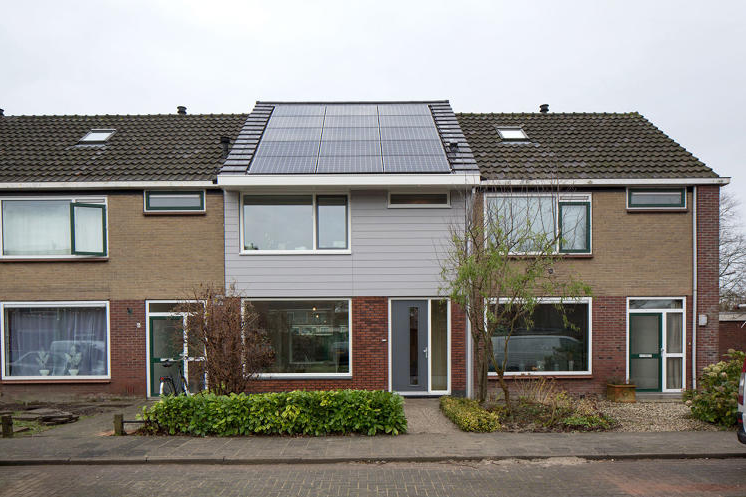
Photovoltaic (PV) panels are the most common source of renewable electricity for residential use. They convert sunlight directly into electricity, which can be used immediately, stored, or sent back to the grid. For a practical overview of how solar fits into a net-zero strategy, see the solar energy net-zero home systems resource.
Key considerations for solar integration:
- Panel orientation and tilt for maximum sun exposure
- System sizing based on annual energy needs
- Inverter selection for efficient energy conversion
Wind Energy: Supplementing Solar for Greater Balance
In regions with consistent wind, small-scale turbines can complement solar by generating power when the sun isn’t shining. This helps smooth out daily and seasonal fluctuations. For those considering this option, the wind energy net-zero residential use guide offers insights on feasibility and system design.
Energy Storage: Bridging Supply and Demand
One of the biggest challenges in renewable energy integration net-zero homes is matching production with usage. Batteries store excess electricity generated during the day for use at night or during cloudy periods. Thermal storage, such as hot water tanks, can also play a role in balancing loads.
Modern battery systems are increasingly affordable and can be monitored and controlled via smart home platforms. This not only increases self-consumption but also provides backup during outages.
Smart Energy Management and Monitoring
Integrating renewables isn’t just about hardware. Smart energy management systems are essential for tracking production, consumption, and storage in real time. These platforms allow homeowners to:
- Monitor energy flows and identify inefficiencies
- Automate appliance use based on generation patterns
- Maximize self-consumption and minimize grid reliance
Devices like smart meters and home energy monitors provide actionable data, helping users make informed decisions about when to run high-load appliances or charge batteries.
Optimizing Building Envelope and Appliances
Even the best renewable system can’t compensate for a leaky, inefficient home. High-performance insulation, air sealing, and energy-efficient windows reduce heating and cooling loads. Appliances and lighting should be chosen for their low energy consumption and compatibility with smart controls.
Thermal imaging cameras are useful tools for identifying heat loss points, while energy monitors can pinpoint which devices are using the most power. Addressing these issues before or during system integration ensures that every kilowatt-hour generated goes further.
Grid Interaction and Net Metering
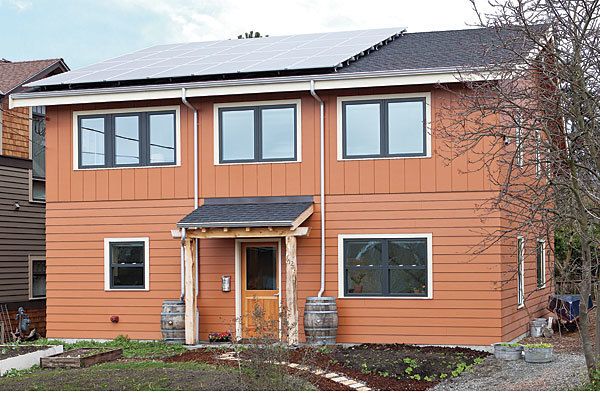
While some homeowners aim for complete independence, most net-zero homes remain connected to the utility grid. This allows for energy imports during periods of low renewable output and exports when there’s a surplus. Net metering policies enable homeowners to receive credits for excess energy sent back to the grid, further enhancing the economics of renewable integration. For a detailed explanation of how this works, see the net metering net-zero homes guide.
Grid-tied systems benefit from:
- Improved reliability and backup options
- Financial incentives and credits
- Flexibility to scale systems over time
Planning and Designing for Maximum Synergy
Successful renewable energy integration net-zero homes starts with careful planning. Consider these steps:
- Assess your site’s solar and wind potential.
- Calculate your household’s annual energy needs.
- Prioritize energy efficiency upgrades before sizing renewable systems.
- Choose compatible technologies for generation, storage, and management.
- Work with experienced professionals for system design and installation.
Leveraging resources like the Autodesk guide to net-zero buildings can help you understand the latest best practices and technologies available for residential projects.
Off-Grid Options and Total Independence
Some homeowners seek complete autonomy by going off-grid. This requires larger renewable systems, robust storage, and careful management of loads. The off grid net-zero home systems article explores the challenges and solutions for those aiming for total independence.
Off-grid homes must:
- Oversize generation and storage to account for worst-case scenarios
- Use ultra-efficient appliances and lighting
- Implement backup systems, such as generators, for emergencies
Frequently Asked Questions
What is the most important factor for successful renewable energy integration in a net-zero home?
The most critical factor is a holistic approach that combines energy efficiency, multiple renewable sources, and smart management. No single technology can achieve net-zero status alone—system synergy is essential.
Can I achieve net-zero with solar panels alone?
While solar panels are often the primary energy source, most homes benefit from integrating other technologies such as batteries, wind turbines, or smart controls. This ensures consistent energy supply and maximizes self-consumption.
How do I know if my home is suitable for renewable integration?
Start with an energy audit to assess your current consumption and building envelope. Evaluate your site’s solar and wind potential, and consult with professionals to design a system tailored to your needs and local conditions.
Are there financial incentives for integrating renewables in my home?
Many regions offer tax credits, rebates, and net metering programs to support renewable adoption. These incentives can significantly reduce the upfront cost and improve the return on investment.
