
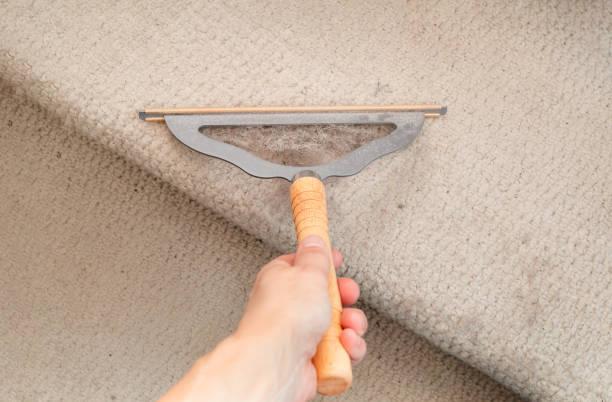
Pet owners know the struggle of keeping carpets free from fur. The way a carpet is constructed—its fibers, pile, and surface feel—can make a huge difference in how easily pet hair is removed. Understanding how carpet texture affects pet hair removal can help you choose the right cleaning tools and techniques, saving time and effort while keeping your home cleaner and more comfortable for everyone.
Different carpet types interact with pet fur in unique ways. Some trap hair deep within the fibers, while others allow it to sit on top for easier vacuuming or sweeping. This guide explores the relationship between carpet texture and pet hair cleanup, offering practical advice for every household. For a comprehensive overview of cleaning strategies, you may also find the pet hair removal from carpet home cleaning guide helpful as a companion resource.
Why Carpet Texture Matters for Pet Hair Cleanup
The surface and structure of a carpet play a crucial role in how easily pet hair can be lifted away. How carpet texture affects pet hair removal is determined by several factors:
- Fiber type: Natural fibers like wool tend to attract and hold onto hair, while synthetic fibers such as nylon or polyester may repel it.
- Pile height: Low-pile carpets have shorter fibers, making it harder for hair to become embedded. High-pile or shag carpets, on the other hand, can trap fur deep inside.
- Density: Tightly woven carpets may hold hair on the surface, while loose or open weaves allow it to sink in.
- Texture: Smooth, looped carpets are generally easier to clean than those with a rough or frizzy surface.
Recognizing these differences helps you select the right cleaning method and tools for your specific flooring.
Comparing Carpet Types: Which Are Easiest for Pet Owners?
Not all carpets are created equal when it comes to managing pet hair. Here’s a breakdown of common carpet types and their impact on fur removal:
| Carpet Type | Texture | Pet Hair Removal Difficulty |
|---|---|---|
| Low-Pile (Berber, Commercial) | Tight, flat loops | Easy |
| Cut-Pile (Saxony, Plush) | Soft, upright fibers | Moderate |
| High-Pile (Shag, Frieze) | Long, loose fibers | Difficult |
| Textured Loop | Patterned, uneven loops | Moderate to Difficult |
Low-pile and tightly woven carpets are generally best for pet owners who want to minimize fur buildup. High-pile and textured carpets, while comfortable, can make cleaning more challenging.
Best Tools and Techniques for Different Carpet Surfaces
The right cleaning approach depends on your carpet’s texture. Here’s how to adapt your strategy for optimal results:
Low-Pile and Berber Carpets
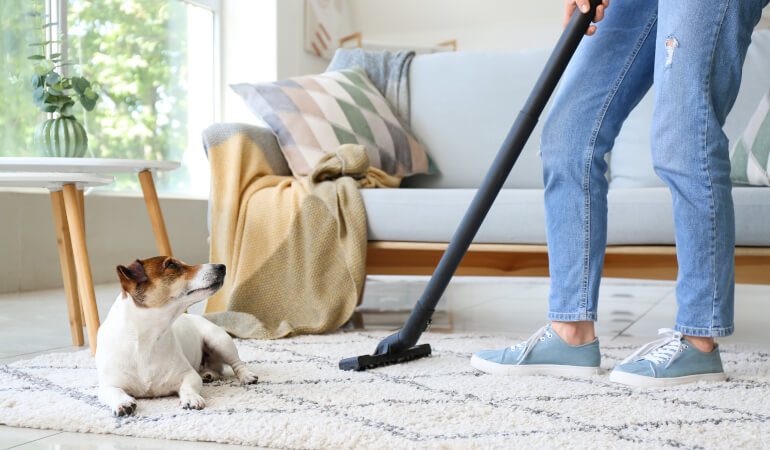
These surfaces are the easiest to maintain. A strong vacuum with a rotating brush or beater bar works well. For stubborn hair, a rubber broom or squeegee can help lift fur from the surface. For more step-by-step advice, see the pet hair removal from carpet ultimate guide.
High-Pile and Shag Carpets
Long fibers trap hair deep within the pile. Use a vacuum with adjustable height and strong suction. Manual tools like carpet rakes or pet hair brooms can loosen embedded fur before vacuuming. Going over the area in multiple directions helps ensure a thorough clean.
Textured and Patterned Carpets
Uneven surfaces can catch hair in crevices. A combination of vacuuming and manual brushing is often necessary. Consider using a lint roller or damp rubber glove for spot cleaning in hard-to-reach areas.
Tips for Maximizing Pet Hair Removal Efficiency
- Vacuum regularly: Frequent cleaning prevents hair from settling deep into the fibers, especially on plush or high-pile carpets.
- Use the right attachments: Crevice tools and upholstery brushes can help target edges and corners where fur accumulates.
- Pre-treat with a carpet rake: Loosen hair before vacuuming to improve results, particularly on textured or long-fiber carpets.
- Try anti-static sprays: These can reduce static cling, making it easier to lift hair from synthetic carpets.
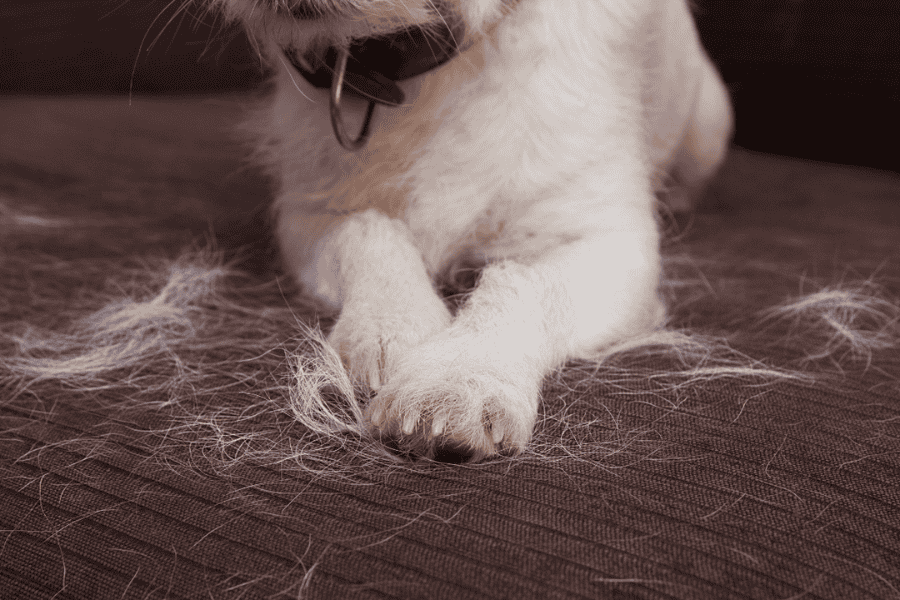
- Keep pets groomed: Regular brushing reduces the amount of loose hair that ends up on your floors.
For additional practical advice, check out the pet hair removal from carpet practical household tips page.
Common Mistakes to Avoid When Cleaning Pet Hair
Even with the right tools, certain habits can make fur removal harder:
- Using a vacuum without a brush roll on high-pile carpets—this leaves hair behind.
- Letting fur build up for too long between cleanings.
- Ignoring edges and under furniture, where hair collects out of sight.
- Using excessive moisture, which can cause hair to clump and stick.
Being mindful of these pitfalls will help you maintain a cleaner, healthier home environment for both you and your pets.
Expert Advice and Further Reading
If you’re struggling with stubborn fur, consider consulting professional cleaning resources. The step-by-step guide to removing pet hair from carpet offers additional insights and product recommendations. For those concerned about carpet longevity, the pet hair removal from carpet without damaging fibers article provides specialized tips for delicate surfaces.
FAQ
Which carpet type is best for homes with pets?
Low-pile and tightly woven carpets are generally easiest to keep clean. They prevent hair from sinking deep into the fibers and respond well to vacuuming and sweeping. Berber and commercial-grade carpets are popular choices for pet owners.
Can certain cleaning tools damage my carpet?
Some aggressive tools, like stiff-bristled brushes or harsh chemicals, can damage delicate fibers. Use carpet rakes or rubber brooms designed for pet hair, and always test cleaning products on a small area first. For more on safe cleaning, refer to the pet hair removal from carpet indoor hygiene tips guide.
How often should I clean my carpets to control pet hair?
Vacuuming at least twice a week is recommended for most homes with pets. High-shedding breeds or multiple animals may require daily cleaning, especially on plush or high-pile carpets.
Are there any tricks for removing hair from high-pile carpets?
Yes, using a carpet rake or a pet hair removal broom before vacuuming can help loosen embedded fur. Vacuum in multiple directions and consider using anti-static sprays to reduce cling.
Understanding how carpet texture affects pet hair removal empowers you to choose the right flooring and cleaning methods for your home. With the right approach, you can keep your carpets looking and feeling fresh, no matter how furry your companions are.
