
Carpets are magnets for hair, especially in homes with pets or people prone to shedding. Understanding how shedding affects carpet hair buildup is essential for maintaining a clean and healthy living space. When hair accumulates in carpet fibers, it not only affects appearance but can also impact indoor air quality and make cleaning more challenging. This article explores the causes of hair buildup, its effects on carpets, and practical strategies for keeping your floors hair-free.
For those looking for comprehensive strategies, the pet hair removal from carpet ultimate guide offers in-depth advice and step-by-step solutions for every household.

Understanding the Link Between Shedding and Carpet Hair Accumulation
Shedding is a natural process for both humans and animals. However, when hair is released, it tends to settle into carpet fibers, especially in high-traffic areas. The structure of carpets—whether looped, cut pile, or shag—can influence how much hair gets trapped. Longer, denser fibers tend to hold more hair, making it harder to remove with standard cleaning methods.
Pet owners often notice that certain breeds shed more than others, contributing to faster buildup. Even without pets, human hair loss can still be a significant factor, particularly in bedrooms and living rooms. Over time, this accumulation can cause carpets to look dull, feel less comfortable, and even harbor allergens.
Why Carpet Hair Buildup Is a Cleaning Challenge
Once hair embeds itself in carpet fibers, it becomes difficult to extract. Regular vacuuming may not always be effective, especially if the vacuum lacks specialized attachments for hair removal. The static charge generated by synthetic carpet fibers can also cause hair to cling more tightly, resisting even powerful suction.
Excessive hair buildup can lead to:
- Reduced carpet lifespan due to matting and fiber damage
- Increased allergens as hair traps dust, dander, and pollen
- Unpleasant odors from trapped organic material
- Difficulty in cleaning and maintaining a tidy appearance
Addressing these issues requires a combination of prevention and targeted cleaning techniques.
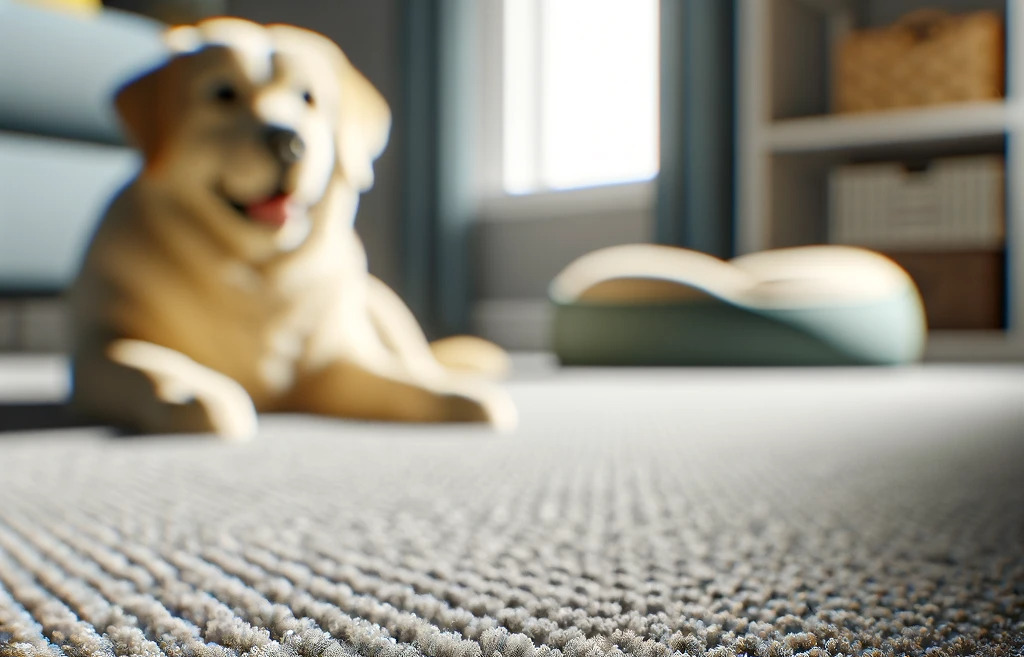
Factors That Influence Hair Shedding and Accumulation
Several factors determine how much hair ends up in your carpet:
- Pet breed and health: Some animals, like retrievers and long-haired cats, shed more than others. Seasonal changes and health conditions can also increase shedding rates.
- Human hair loss: Daily grooming, brushing, and even sleeping can contribute to hair on carpets.
- Carpet material: Natural fibers like wool may trap less hair than synthetic ones, but they can still hold significant amounts if not cleaned regularly.
- Room usage: High-traffic areas and rooms where pets spend the most time will naturally see more buildup.
Understanding these variables helps in developing a targeted cleaning routine and choosing the right tools for the job.
Effective Cleaning Methods for Managing Hair Buildup
Dealing with hair in carpets requires more than just a standard vacuum. Here are some proven strategies:
- Use a vacuum designed for pet hair: Models with tangle-free brush rolls and strong suction can lift embedded hair more effectively.
- Try a rubber broom or carpet rake: These tools create friction, loosening hair from fibers so it can be vacuumed up easily.
- Regular grooming: Brushing pets frequently reduces the amount of loose hair that ends up on the floor.
- Launder area rugs: Smaller rugs can be shaken out or washed to remove trapped hair.
- Professional cleaning: Deep cleaning services can extract stubborn hair and refresh carpet fibers.
For more detailed household strategies, you can refer to the pet hair removal from carpet practical household tips resource, which covers everyday solutions for persistent hair problems.
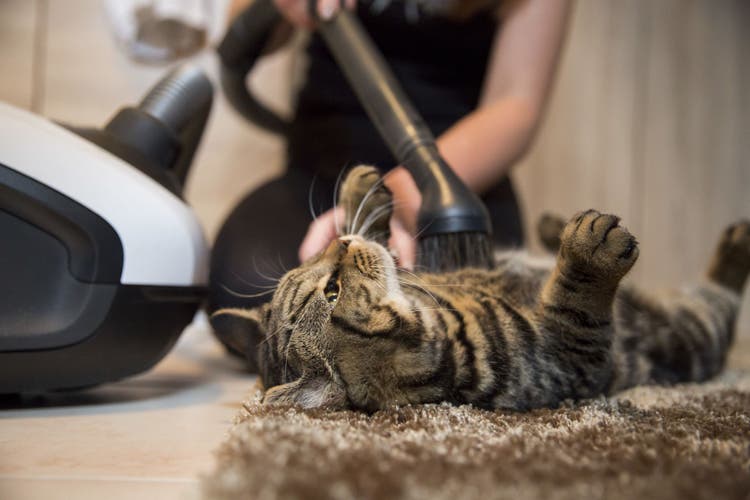
Preventing Excessive Hair in Carpets
While cleaning is crucial, prevention can make a significant difference in managing hair accumulation. Here are some practical steps:
- Establish pet-free zones: Limiting pet access to certain rooms can reduce the spread of hair.
- Use washable throws and covers: Place these on furniture and high-traffic areas to catch hair before it reaches the carpet.
- Increase vacuuming frequency: For homes with heavy shedders, vacuuming several times a week is recommended.
- Maintain pet health: Regular vet visits and proper nutrition can minimize excessive shedding.
Combining these habits with effective cleaning tools helps keep carpets fresher and more hygienic.
Advanced Tips for Tackling Stubborn Carpet Hair
Sometimes, even with diligent cleaning, hair can remain embedded in carpet fibers. Here are some advanced techniques:
- Moisten a rubber glove and run your hand over the carpet to gather hair into clumps for easy removal.
- Use a squeegee on low-pile carpets to pull up hair that vacuums leave behind.
- Apply anti-static sprays to reduce static cling and make hair easier to lift.
- Rotate area rugs to distribute wear and hair buildup more evenly.
For even more cleaning hacks, check out the pet hair removal from carpet fast cleaning tips for quick solutions to everyday problems.
When to Seek Professional Help
If hair buildup becomes overwhelming or if allergies worsen, it may be time to call in professionals. Deep cleaning services use specialized equipment to extract hair and debris from deep within the carpet pile. This not only improves appearance but can also extend the life of your flooring and create a healthier home environment.
For those interested in learning more about advanced cleaning options, the pet hair removal from carpet home cleaning guide provides a thorough overview of professional and DIY solutions.
Additional Resources for Managing Carpet Hair
There are many resources available for those seeking to improve their carpet cleaning routine. For example, these easy methods to remove dog hair from carpets and rugs offer practical advice for pet owners. Combining expert tips with the right tools can make a noticeable difference in your home’s cleanliness.
Frequently Asked Questions
What types of carpets are most prone to hair buildup?
High-pile and shag carpets tend to trap more hair due to their dense fibers. Synthetic materials can also generate static, making hair cling more tightly. Low-pile carpets are generally easier to keep clean but still require regular maintenance.
How often should I vacuum to control hair accumulation?
For homes with pets or heavy shedding, vacuuming at least three times a week is recommended. Using a vacuum designed for pet hair can improve results. In lower-traffic areas, once or twice a week may be sufficient.
Are there natural ways to reduce shedding in pets?
Yes, regular grooming, a balanced diet, and ensuring your pet is healthy can help minimize shedding. Bathing pets with appropriate shampoos and using deshedding brushes can also reduce the amount of loose hair that ends up in your carpets.
