
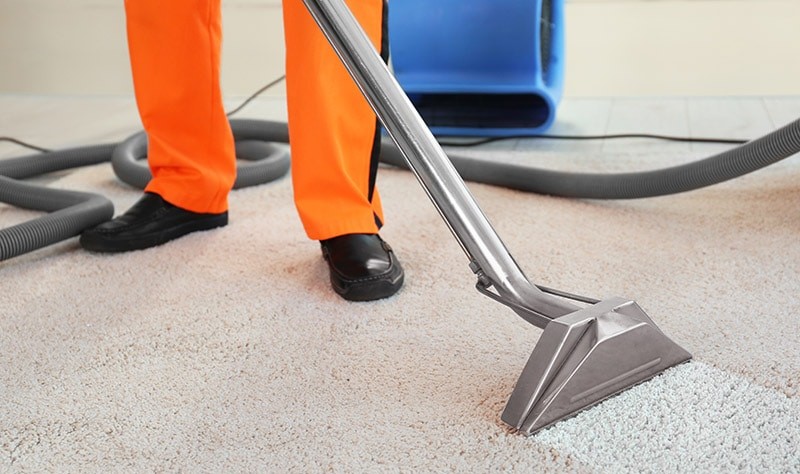
Achieving a spotless, refreshed carpet doesn’t require a visit from a professional crew. With the right approach, you can transform your floors and upholstery using a steam cleaner at home. This guide will walk you through how to achieve professional results at home using proven DIY steam cleaning methods. Whether you’re tackling stubborn stains, deep-seated dirt, or just aiming for that just-cleaned look, the right techniques and products make all the difference.
If you have pets or struggle with lingering hair and odors, you’ll find that steam cleaning can be a game-changer. For more targeted advice, see our pet hair removal from carpet indoor hygiene tips for maintaining a cleaner, healthier home environment.
Understanding the Power of Steam Cleaning
Steam cleaning uses high-temperature vapor to loosen dirt, kill bacteria, and lift stains from carpet fibers and upholstery. Unlike traditional shampooing, this method doesn’t leave behind chemical residues, making it a healthier choice for families and pets. The heat from the steam not only sanitizes but also helps remove allergens, dust mites, and even some persistent odors.
For those with allergies, regular steam cleaning can significantly reduce triggers by eliminating pollen, pet dander, and microscopic debris embedded deep within the carpet pile.
Essential Tools and Supplies for Home Steam Cleaning
To get the most out of your DIY efforts, start with the right equipment and cleaning solutions. Here’s what you’ll need:
- Steam cleaner: Choose a model suitable for your carpet type and room size. Upright machines are great for large areas, while portable units work well for spot cleaning and stairs.
- Carpet cleaning solution: Use a product recommended by your machine’s manufacturer or opt for a professional-strength formula for tough stains.
- Pre-treatment spray: For high-traffic areas or set-in stains, a pre-spray can help break down grime before steaming.
- Vacuum cleaner: Always vacuum thoroughly before using your steam cleaner to remove loose dirt and debris.
- Clean towels: These are useful for blotting excess moisture and catching drips.
Step-by-Step Guide: How to Achieve Professional Results at Home
Follow these steps to maximize your steam cleaning results and extend the life of your carpets:
- Clear the Area: Remove furniture, toys, and other items from the space you plan to clean. This allows for even coverage and prevents missed spots.
- Vacuum Thoroughly: Go over the area slowly to pick up as much dust and debris as possible. This step is crucial for preventing dirt from turning into mud during steaming.
- Pre-Treat Stains: Apply a carpet pre-spray to any visible stains or heavily soiled areas. Let it sit for 5–10 minutes to break down tough spots.
- Prepare the Steam Cleaner: Fill the tank with hot water and add the recommended amount of cleaning solution. Always follow the manufacturer’s instructions for best results.
- Steam Clean Methodically: Work in small sections, moving the machine slowly to allow the steam to penetrate. Overlap each pass slightly to avoid streaks or missed patches.
- Extract Excess Moisture: Make a final pass with just the suction (no water or solution) to pull up as much moisture as possible. This helps carpets dry faster and prevents mold or mildew.
- Allow to Dry: Open windows or use fans to speed up drying. Avoid walking on the carpet until completely dry to prevent re-soiling.
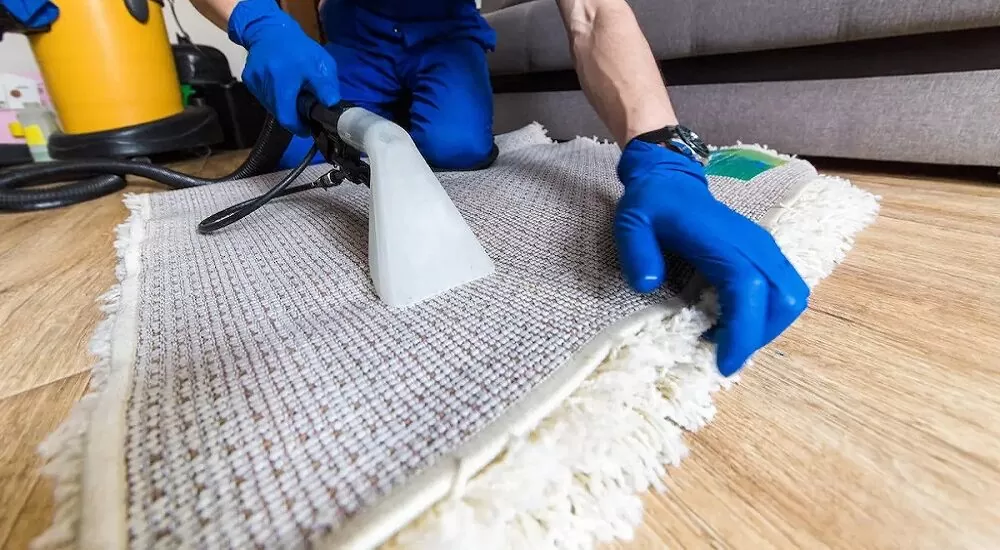
Tips for Getting the Most from Your DIY Steam Cleaning
- Test in an Inconspicuous Area: Before cleaning the entire carpet, test your machine and solution on a hidden spot to ensure colorfastness and avoid damage.
- Don’t Over-Wet: Using too much water can lead to slow drying and potential mold growth. Always follow the recommended water-to-solution ratio.
- Repeat for High-Traffic Zones: Entryways and hallways may need a second pass for optimal results.
- Use Fans or Dehumidifiers: Speed up drying and reduce the risk of lingering dampness by increasing airflow in the cleaned area.
- Maintain Your Machine: Clean the tank, brushes, and nozzles after each use to keep your steam cleaner in top condition.
Special Considerations for Different Carpet Types
Not all carpets respond the same way to steam cleaning. Wool, for example, is sensitive to heat and moisture. If you have wool carpets, consult your manufacturer’s care instructions or refer to resources like this guide to steam cleaning wool carpet for best practices.
For synthetic fibers, most home steam cleaners are safe and effective. However, always check for colorfastness and avoid over-saturating the material.
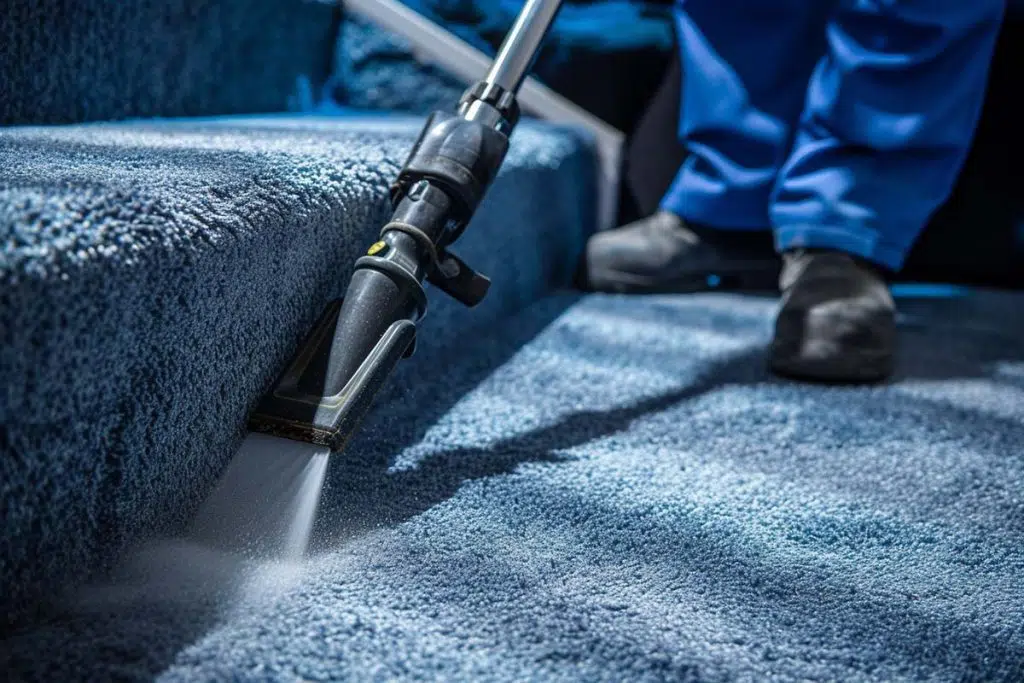
Maintaining Freshness After Steam Cleaning
Once your carpets are clean, keep them looking their best with regular care. Vacuum at least once a week and address spills promptly to prevent stains from setting. For homes with pets, consider reviewing our pet hair removal from carpet fast cleaning tips to keep fur and dander under control.
Place mats at entrances to reduce tracked-in dirt, and schedule a deep steam clean every 6–12 months for ongoing freshness and hygiene.
FAQs About DIY Steam Cleaning for Carpets
How often should I steam clean my carpets at home?
For most households, a deep steam clean every 6 to 12 months is sufficient. Homes with pets, children, or allergy sufferers may benefit from more frequent cleaning, such as every 3 to 6 months.
Can I use any cleaning solution in my steam cleaner?
It’s best to use a solution recommended by your steam cleaner’s manufacturer. Using the wrong product can damage the machine or leave residues. For tough stains, a professional-strength carpet spray can be used as a pre-treatment.
Is steam cleaning safe for all carpet types?
Most synthetic carpets handle steam cleaning well, but delicate fibers like wool require extra care. Always test a small area first and consult care guidelines for your specific carpet material.
What should I do if my carpet takes too long to dry?
Increase airflow by opening windows, using fans, or running a dehumidifier. Avoid over-wetting during cleaning, and always extract as much water as possible with your machine.
How can I keep my carpets cleaner between steam cleanings?
Regular vacuuming, prompt spill cleanup, and using entry mats can help maintain cleanliness. For pet owners, following a pet hair removal from carpet without damaging fibers routine can also make a significant difference.
