
As more households and businesses seek to reduce their environmental impact, the demand for eco-friendly carpet cleaning solutions continues to grow. Selecting the right products and methods not only helps maintain a healthy indoor environment but also protects the planet from harmful chemicals and excessive waste. Understanding how to choose eco-friendly carpet cleaning solutions is essential for anyone looking to keep their floors spotless while supporting sustainability.
This guide covers what to look for in green cleaning products, how to assess their effectiveness, and practical tips for integrating environmentally responsible practices into your carpet care routine. Whether you’re dealing with everyday dirt, pet messes, or deep-set stains, making informed choices can benefit both your home and the environment.
For those who also struggle with pet hair, you may find additional value in our pet hair removal from carpet indoor hygiene tips, which complement eco-friendly cleaning routines.
Why Eco-Friendly Carpet Cleaning Matters
Traditional carpet cleaning products often contain harsh chemicals such as phosphates, chlorine, and artificial fragrances. These substances can linger in your home, potentially affecting air quality and posing risks to children, pets, and those with allergies. Moreover, when these chemicals are rinsed away, they can enter waterways and disrupt local ecosystems.
By opting for green carpet cleaning solutions, you minimize exposure to toxins and reduce your environmental footprint. Many eco-friendly products use plant-based ingredients, biodegradable surfactants, and minimal packaging, making them safer for both your family and the planet.
Key Criteria for Selecting Green Carpet Cleaners
Navigating the wide array of cleaning products can be overwhelming. To simplify the process, consider these essential factors when evaluating how to choose eco-friendly carpet cleaning solutions:
- Ingredient Transparency: Look for products that clearly list all ingredients. Avoid those with vague terms like “fragrance” or “proprietary blend,” as these may hide potentially harmful chemicals.
- Biodegradability: Choose cleaners that break down naturally and do not persist in the environment.
- Certifications: Seek out third-party certifications such as Green Seal, EPA Safer Choice, or EcoLogo, which indicate a product has met rigorous environmental standards.
- Packaging: Prefer options with recyclable, refillable, or minimal packaging to further reduce waste.
- Performance: Eco-friendly does not mean less effective. Read reviews or test small amounts to ensure the cleaner removes stains and odors as promised.
Types of Eco-Friendly Carpet Cleaning Solutions
There are several categories of green carpet cleaning products and methods. Understanding the differences can help you select the best fit for your needs.
Plant-Based Liquid Cleaners
Many modern carpet shampoos and sprays use plant-derived surfactants and enzymes to break down dirt and stains. These products are typically free from synthetic dyes and fragrances, making them suitable for sensitive environments.
Powder and Dry Carpet Cleaners
Dry cleaning powders made from natural minerals or biodegradable materials can be sprinkled on carpets, agitated, and then vacuumed up. This method uses less water and is ideal for quick refreshes or moisture-sensitive areas.
Steam Cleaning with Water Only
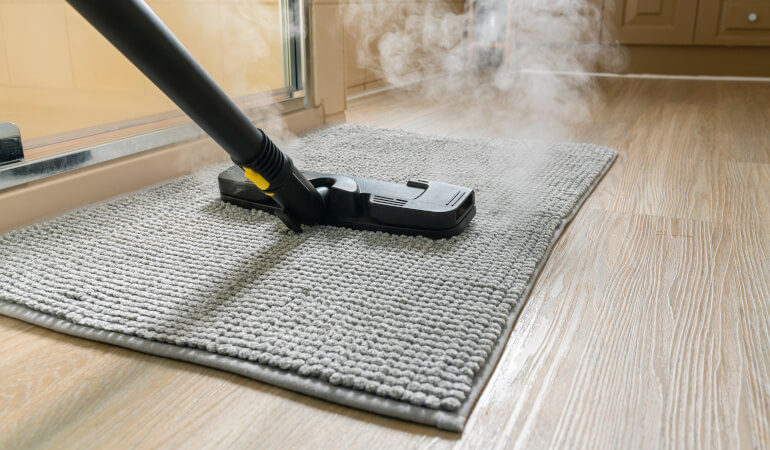
Steam cleaning relies on high-temperature water vapor to loosen dirt and kill bacteria, often without the need for additional chemicals. This method is highly effective and safe for most synthetic and natural fiber carpets. For wool carpets, always check manufacturer recommendations or consult resources like guides on steam cleaning wool carpet to avoid damaging delicate fibers.
DIY Green Carpet Cleaning Methods
For those who prefer homemade solutions, several pantry staples can be used to clean carpets safely and effectively:
- Baking Soda: Neutralizes odors and can be sprinkled on carpets before vacuuming.
- White Vinegar: Mixed with water, it helps lift stains and disinfect. Always test on a small area first to ensure colorfastness.
- Castile Soap: A mild, plant-based soap that can be diluted for spot cleaning.
- Lemon Juice: Acts as a natural deodorizer and stain remover, but should be used sparingly to avoid bleaching.
These DIY methods are cost-effective and avoid the use of synthetic chemicals, making them a smart choice for eco-conscious households.
Tips for Maintaining Clean and Green Carpets
Regular maintenance is key to extending the life of your carpets and minimizing the need for intensive cleaning. Here are some practical steps:
- Vacuum Frequently: Remove dust, dirt, and allergens before they settle deep into fibers.
- Address Spills Immediately: Blot (don’t rub) stains as soon as they occur to prevent permanent marks.
- Use Entry Mats: Place mats at entrances to trap dirt and reduce the amount brought indoors.
- Rotate Furniture: Move furniture periodically to prevent uneven wear and allow for thorough cleaning.
- Schedule Deep Cleans: Use a green-certified steam cleaner or hire an eco-friendly professional service at least once a year.
If you share your home with pets, you may also benefit from learning about pet hair removal from carpet fast cleaning tips to keep your floors looking their best.
Common Mistakes to Avoid When Going Green
While making the switch to environmentally friendly carpet care is a positive step, there are a few pitfalls to watch out for:
- Assuming All “Natural” Products Are Safe: Not all products labeled “natural” or “organic” are automatically non-toxic or biodegradable. Always check for reputable certifications and full ingredient lists.
- Overusing Water: Excessive moisture can lead to mold and mildew growth. Use only as much water as necessary and ensure carpets dry thoroughly after cleaning.
- Neglecting Regular Maintenance: Relying solely on deep cleaning can allow dirt to build up. Consistent care is more effective and less resource-intensive.
For more specialized advice, such as how to remove pet hair without damaging carpet fibers, you can refer to our detailed guide on pet hair removal from carpet without damaging fibers.
FAQ
What ingredients should I avoid in carpet cleaning products?
Steer clear of products containing phosphates, chlorine bleach, ammonia, synthetic fragrances, and nonylphenol ethoxylates. These chemicals can be harmful to both indoor air quality and the environment.
Are homemade carpet cleaners as effective as store-bought eco-friendly options?
Homemade solutions like baking soda and vinegar can be effective for light stains and routine maintenance. However, for deep cleaning or stubborn stains, certified green commercial products or professional services may offer better results.
How often should I use eco-friendly carpet cleaning methods?
Vacuum at least once a week and address spills immediately. Schedule a deep clean with green-certified products or equipment every 6–12 months, depending on foot traffic and household needs.
Can steam cleaning be considered an eco-friendly method?
Yes, steam cleaning uses only water and heat, making it a highly sustainable option. Just ensure your carpet type can handle moisture and heat, especially for natural fibers like wool.
By following these guidelines and making conscious choices, you can enjoy clean, fresh carpets while supporting a healthier home and planet.
