
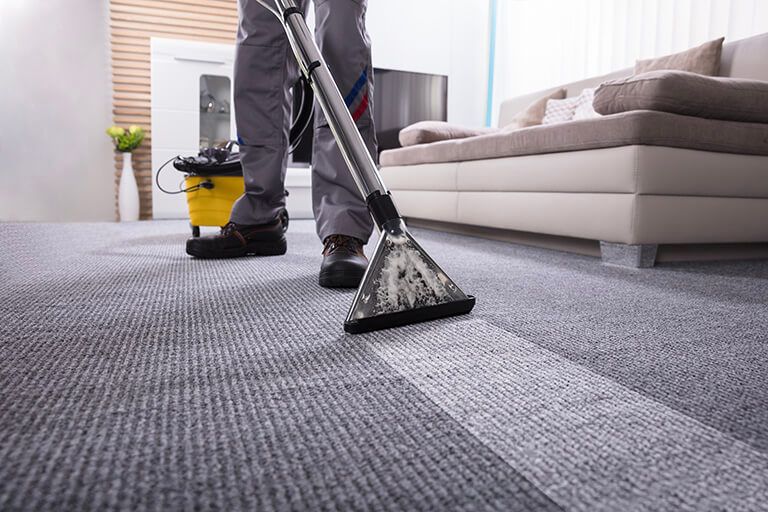
When water invades your home, carpets are often among the first casualties. Whether from a burst pipe, flooding, or an overflowing appliance, moisture can quickly seep deep into carpet fibers and padding, leading to unpleasant odors, stains, and even mold growth. Understanding how to clean carpets after water damage is essential for restoring your flooring, protecting your indoor air quality, and preventing long-term issues.
Acting quickly is crucial. The longer water sits, the more likely it is that damage will become permanent or require professional intervention. This guide covers practical steps to salvage and restore your carpets, from initial water removal to deep cleaning and ongoing maintenance. If you’re also dealing with pet-related messes, you may find additional tips in our pet hair removal from carpet indoor hygiene tips article.
Immediate Steps for Water-Soaked Carpets
The first hours after discovering water on your carpets are the most important. Taking prompt action can minimize structural damage and reduce the risk of mold. Here’s what to do right away:
- Stop the source: If possible, turn off water at the source to prevent further flooding.
- Remove excess water: Use a wet/dry vacuum or towels to soak up as much water as possible. Press firmly to reach moisture trapped in the padding.
- Promote airflow: Open windows, run fans, and use dehumidifiers to speed up drying. Lift the carpet edges, if safe, to allow air to circulate underneath.
- Move furniture: Remove or elevate furniture to prevent staining and further damage.
If the affected area is extensive or the water is contaminated (such as from sewage), it’s best to consult a professional restoration service. For smaller incidents, you can often handle the cleanup yourself with the right approach.
How to Clean Carpets After Water Damage: Deep Cleaning and Sanitizing
Once the carpet is mostly dry, it’s time to tackle lingering dirt, stains, and potential bacteria. Here’s a step-by-step approach to restoring your carpet’s appearance and hygiene:
- Vacuum thoroughly: After the carpet is dry to the touch, vacuum to remove any dirt or debris left behind by the water.
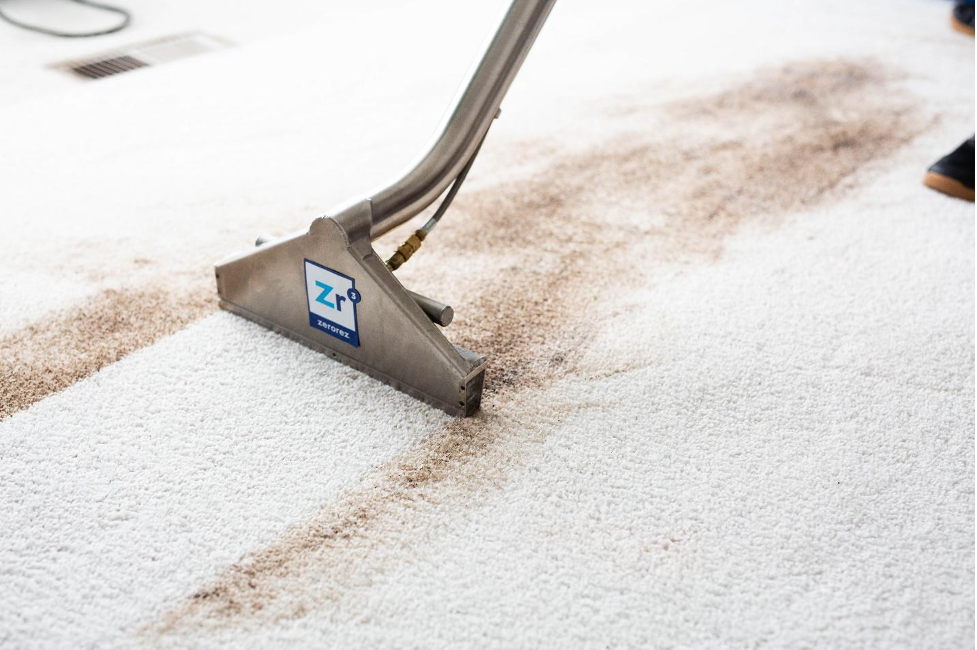
- Apply a carpet cleaner: Use a product designed for post-flood cleaning. A professional-strength carpet cleaner spray can help break down stains and neutralize odors.
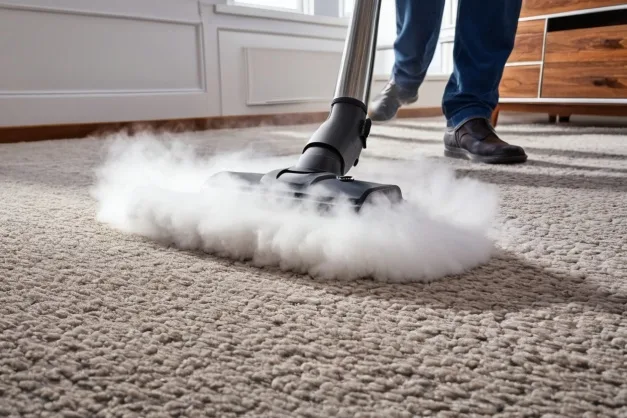
- Steam clean: For a deeper clean, use a steam cleaner or carpet shampooer. This helps sanitize the carpet and remove any remaining contaminants. If you don’t own one, many hardware stores offer rentals, or you can invest in a reliable carpet cleaner for ongoing maintenance.
- Rinse and dry: After cleaning, rinse the area with clean water (if using a shampooer) and extract as much moisture as possible. Continue drying with fans and dehumidifiers.
- Disinfect: For added protection, lightly spray a disinfectant safe for carpets to inhibit mold and bacteria growth.
Preventing Mold and Odor After Water Exposure
One of the biggest risks after a water incident is mold. Mold can begin growing within 24–48 hours, especially in humid environments. To minimize this risk:
- Keep the area dry: Continue running fans and dehumidifiers for several days, even after the carpet feels dry.
- Check under the carpet: If possible, inspect the padding and subfloor. If either remains damp or smells musty, they may need to be replaced.
- Use baking soda: Sprinkle baking soda liberally over the carpet, let it sit overnight, then vacuum. This helps absorb lingering odors.
- Monitor for signs of mold: Watch for discoloration, persistent odors, or allergy symptoms. If you notice any of these, consult a professional.
For more on keeping your carpets in top shape, see these expert tips for maintaining carpet health.
Choosing the Right Cleaning Products and Tools
Selecting the appropriate cleaning solutions and equipment is key to effective restoration. Look for products labeled as antibacterial or formulated for flood recovery. Avoid harsh chemicals that can damage fibers or leave residues.
- Carpet shampooers: Machines with strong suction and hot water extraction are best for deep cleaning.
- Sprays and spot cleaners: Useful for treating stubborn stains or small affected areas.
- Dehumidifiers and fans: Essential for thorough drying and mold prevention.
Investing in quality tools can make the process easier and improve results. If you have pets, you may also benefit from learning about pet hair removal from carpet fast cleaning tips to keep your floors looking their best year-round.
When to Replace vs. Restore Carpets
Not all carpets can be saved after significant water exposure. Here are some signs that replacement may be necessary:
- Severe mold growth: If mold is visible or the smell persists after thorough cleaning, replacement is often the safest option.
- Contaminated water: Carpets soaked by sewage or floodwater should be discarded due to health risks.
- Persistent stains or damage: If the fibers are discolored, brittle, or the backing is separating, restoration may not be effective.
For minor incidents, prompt and thorough cleaning can restore most carpets to a healthy, usable state. If you’re unsure, a professional assessment can help you decide the best course of action.
Ongoing Maintenance After Restoration
After dealing with water exposure, regular maintenance will help keep your carpets fresh and extend their lifespan. Here are a few habits to adopt:
- Vacuum frequently: Remove dirt and debris before they settle deep into fibers.
- Address spills immediately: Blot up liquids and treat stains as soon as they occur.
- Schedule periodic deep cleans: Use a steam cleaner or hire professionals every 6–12 months.
- Monitor humidity: Keep indoor humidity below 60% to discourage mold growth.
For homes with pets, consider reviewing our advice on pet hair removal from carpet without damaging fibers for additional cleaning strategies.
Frequently Asked Questions
How soon should I start cleaning carpets after water exposure?
Begin the drying and cleaning process as soon as possible—ideally within 24 hours. The quicker you act, the less likely you are to face permanent damage or mold growth.
Can I use household cleaners for post-water damage carpet cleaning?
While some household products can help, it’s best to use cleaners specifically designed for carpets and water damage restoration. These products are formulated to remove bacteria, odors, and stains more effectively.
Is it safe to keep wet carpet padding?
Wet padding is difficult to dry thoroughly and can harbor mold and bacteria. In most cases, it’s safer to replace the padding if it has been saturated.
What if my carpet still smells after cleaning?
Persistent odors may indicate trapped moisture or hidden mold. Repeat the drying process, use odor-neutralizing products, and consider professional cleaning if the smell remains.
How can I prevent future water damage to my carpets?
Regularly inspect plumbing, maintain appliances, and address leaks promptly. Using area rugs in high-risk zones and keeping gutters clear can also help minimize risk.
