
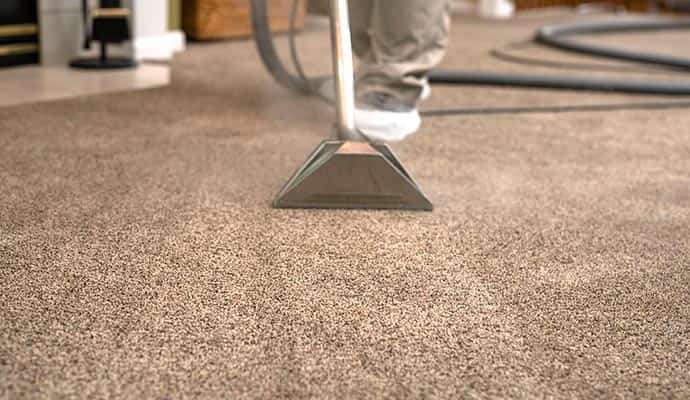
Keeping carpets fresh and free from unwanted odors is a top priority after a deep clean. However, one of the most common issues homeowners face is the growth of mildew following carpet cleaning. Mildew not only causes unpleasant smells but can also damage carpet fibers and impact indoor air quality. Understanding how to prevent mildew after carpet cleaning is essential for maintaining a healthy home environment and protecting your investment.
In this guide, you’ll learn practical steps to avoid mildew growth, from proper drying techniques to choosing the right cleaning methods. We’ll also cover common mistakes to avoid, signs of potential problems, and recommended products to help keep your carpets in top condition. If you’re also dealing with pet hair, check out our pet hair removal from carpet ultimate guide for more cleaning tips.
Why Mildew Develops After Carpet Cleaning
Mildew is a type of fungus that thrives in moist, warm environments. After a carpet has been cleaned—especially with water-based methods—excess moisture can become trapped in the fibers and padding. If the carpet does not dry quickly and thoroughly, these damp conditions create the perfect breeding ground for mildew and mold.
Some of the most common causes of mildew after carpet cleaning include:
- Insufficient drying time or poor ventilation
- Over-wetting during the cleaning process
- High indoor humidity levels
- Cleaning in cool or damp weather conditions
- Failure to use proper extraction equipment
Recognizing these risk factors is the first step in preventing mildew from developing after your carpets have been cleaned.
Effective Drying Techniques to Stop Mildew Growth
Ensuring your carpet dries quickly is the most important factor in stopping mildew before it starts. Here are proven methods to accelerate drying and reduce the risk of fungal growth:
- Increase Airflow: Open windows and doors to allow fresh air to circulate. Use fans to move air across the carpet surface and speed up evaporation.
- Use Dehumidifiers: Running a dehumidifier in the cleaned area helps pull moisture from the air, making it harder for mildew to develop.
- Turn on HVAC Systems: If weather permits, use your air conditioning or heating system to control humidity and temperature.
- Lift Furniture: Place aluminum foil or plastic blocks under furniture legs to prevent moisture transfer and allow air to reach all carpet areas.
- Professional Equipment: If possible, use a wet/dry vacuum or carpet extractor to remove as much water as possible after cleaning.
For more details on different cleaning methods and their impact on drying, you can read this comprehensive overview of carpet cleaning techniques.

Choosing the Right Cleaning Methods for Mildew Prevention
The method you use to clean your carpet can influence how likely it is for mildew to develop afterward. Here are some tips for selecting the best approach:
- Low-Moisture Cleaning: Dry cleaning or encapsulation methods use less water, reducing drying time and mildew risk.
- Hot Water Extraction: While effective, this method uses a lot of water. Make sure to use professional-grade extraction equipment to remove as much moisture as possible.
- Spot Cleaning: For small stains, use minimal water and blot the area thoroughly with a dry towel afterward.
- Professional Services: Hiring experienced cleaners ensures the right balance of cleaning power and moisture control.
Always follow manufacturer recommendations for your specific carpet type, and consider using products designed to inhibit mold and mildew growth.
Signs of Mildew and What to Do If You Spot It
Even with the best prevention, it’s important to know the early warning signs of mildew so you can act quickly:
- Musty Odors: A persistent, earthy smell is often the first clue.
- Discoloration: Look for greenish, gray, or black patches on the carpet surface or backing.
- Increased Allergies: Sneezing, coughing, or watery eyes may indicate mold spores in the air.
If you notice any of these signs, act immediately:
- Remove any damp items from the area.
- Increase ventilation and use fans or dehumidifiers.
- Clean the affected area with a solution of water and white vinegar or a specialized anti-mildew product.
- If the problem persists, consult a professional carpet cleaner or remediation specialist.
Extra Tips for Keeping Carpets Mildew-Free
Beyond drying and cleaning, there are additional steps you can take to safeguard your carpets:
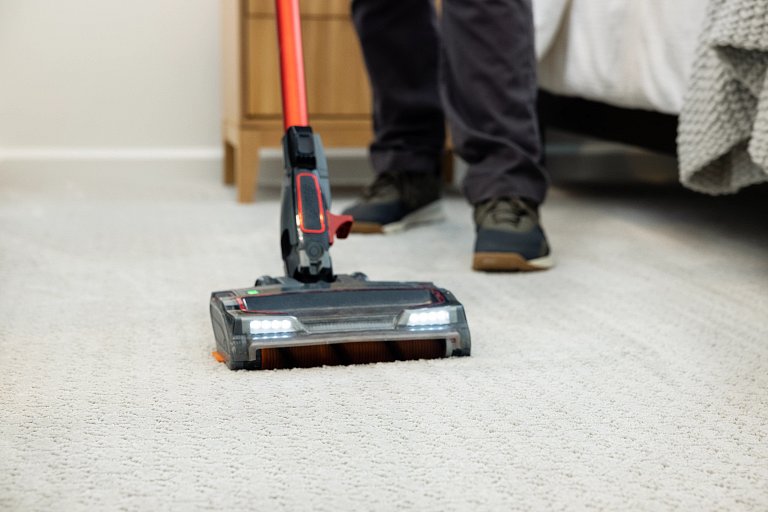
- Regular Vacuuming: Keep carpets free of dust and organic debris that can feed mildew.
- Control Humidity: Maintain indoor humidity below 60% whenever possible.
- Prompt Spill Cleanup: Address spills and leaks immediately to prevent moisture from soaking in.
- Routine Inspections: Check under area rugs and in corners for hidden dampness or odors.
- Use Carpet Protectors: Consider applying a carpet protector that includes anti-microbial properties.
If you’re interested in more ways to maintain a clean and healthy home, our pet hair removal from carpet indoor hygiene tips article offers additional strategies for keeping your living space fresh.
Common Mistakes That Lead to Mildew After Cleaning
Many mildew problems can be traced back to avoidable errors during or after the cleaning process. Avoid these pitfalls:
- Leaving windows closed and air stagnant after cleaning
- Using too much water or not extracting it thoroughly
- Replacing furniture before the carpet is fully dry
- Ignoring small spills or leaks that can soak into the padding
- Skipping regular maintenance and inspections
By steering clear of these mistakes, you greatly reduce the risk of mildew taking hold in your carpets.
FAQ
How Long Does It Take for Carpet to Dry Completely?
Drying time depends on the cleaning method, carpet thickness, and room conditions. Typically, carpets take 6–12 hours to dry with good ventilation. However, thicker carpets or humid environments may require up to 24 hours. Using fans and dehumidifiers can help speed up the process.
What Should I Do If I Smell Mildew After Cleaning?
If you notice a musty odor, act quickly. Increase airflow, use a dehumidifier, and clean the area with a vinegar solution or anti-mildew cleaner. If the smell persists, consult a professional to assess for hidden mold or water damage.
Can I Prevent Mildew Without Professional Equipment?
Yes, you can minimize mildew risk by using household fans, opening windows, and blotting excess moisture with towels. However, professional-grade extractors and dehumidifiers are more effective at removing deep moisture, especially after a thorough cleaning.
Is It Safe to Walk on the Carpet Before It’s Fully Dry?
It’s best to avoid walking on damp carpet to prevent compressing fibers and trapping moisture. If you must walk on it, wear clean socks or use shoe covers, and avoid replacing furniture until the carpet is completely dry.
For more practical cleaning advice, you may also find our pet hair removal from carpet practical household tips helpful for everyday maintenance.
