
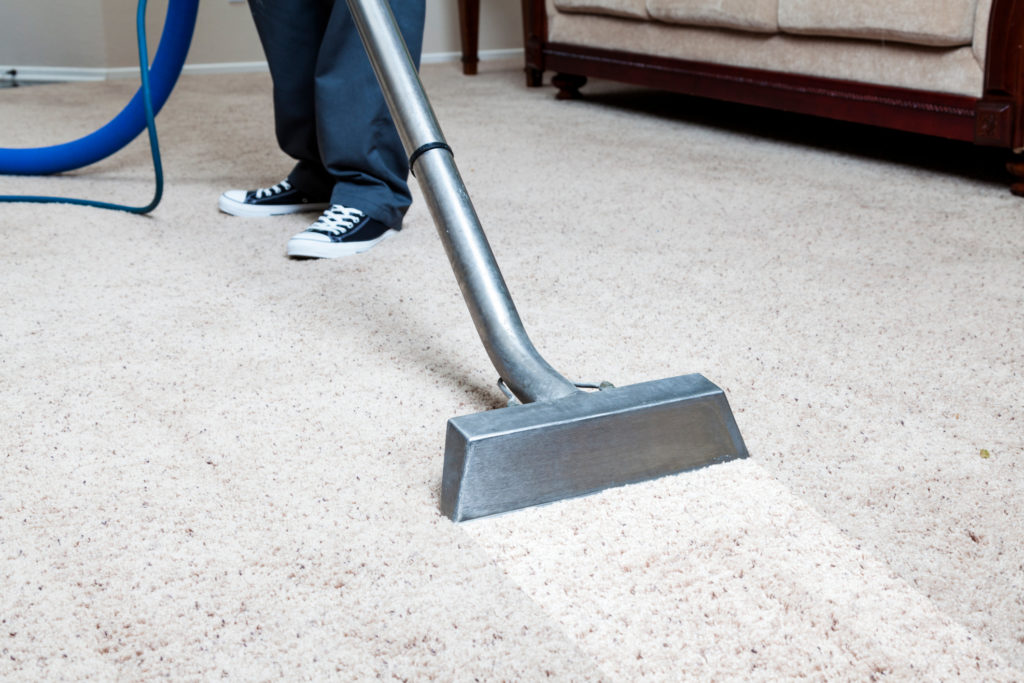
Steam cleaning is a highly effective way to refresh carpets, rugs, and upholstery, but improper drying can lead to unwanted mildew growth. Mildew not only causes unpleasant odors but can also damage fibers and create health concerns. Understanding how to prevent mildew after steam cleaning is essential for maintaining a clean, healthy home environment.
In this article, you’ll find practical steps to keep your carpets and fabrics mildew-free after a deep clean. We’ll cover drying techniques, environmental tips, and ongoing maintenance. If you’re also dealing with pet hair, you may find our pet hair removal from carpet home cleaning guide helpful for a more comprehensive approach to carpet care.
Why Mildew Develops After Steam Cleaning
Steam cleaning uses hot water extraction to remove dirt and stains, but it also leaves moisture behind. If this moisture isn’t removed quickly, it creates an environment where mildew spores can thrive. Mildew is a type of fungus that grows in damp, warm, and poorly ventilated areas. Carpets, rugs, and upholstery are especially vulnerable because their dense fibers can trap moisture deep within, making drying more challenging.
Common causes of mildew after steam cleaning include:
- Insufficient drying time or poor air circulation
- High indoor humidity
- Over-wetting during cleaning
- Failure to remove furniture or objects that block airflow
Recognizing these risk factors is the first step in preventing mildew growth and protecting your home’s air quality.
Essential Steps to Stop Mildew After Steam Cleaning
To effectively prevent mildew after steam cleaning, follow these proven steps immediately after your cleaning session:
- Extract as Much Water as Possible: Go over cleaned areas multiple times with the vacuum function of your steam cleaner to remove excess moisture. Avoid saturating the carpet or fabric.
- Increase Airflow: Open windows and doors to allow fresh air to circulate. Use fans to direct air across the cleaned surfaces and speed up evaporation.
- Use a Dehumidifier: Place a dehumidifier in the room to reduce humidity and help draw moisture out of carpets and upholstery. This is especially important in humid climates or during rainy weather.
- Lift Furniture: Remove or elevate furniture to prevent it from trapping moisture underneath. Use foil or plastic under furniture legs if moving is not possible.
- Monitor Drying Progress: Check the cleaned areas every few hours. If they still feel damp after 12–24 hours, increase ventilation or use additional fans and dehumidifiers.
Best Practices for Drying Carpets and Upholstery
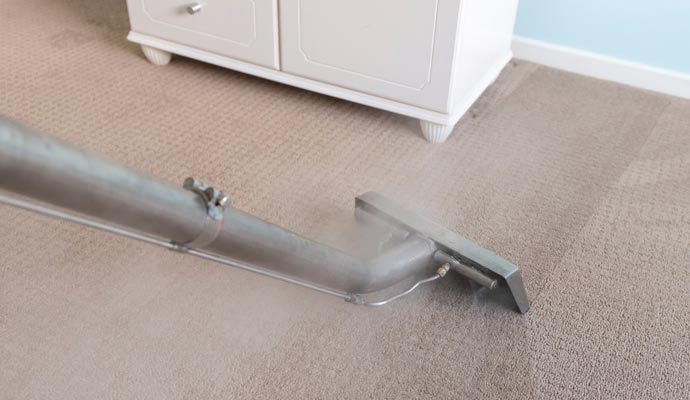
Proper drying is the most important factor in stopping mildew before it starts. Here are some detailed tips for ensuring your carpets and fabrics dry thoroughly:
- Work in Sections: Clean and dry one area at a time, especially in large rooms. This allows you to focus airflow and drying equipment where it’s needed most.
- Use Specialized Tools: Carpet rakes or grooming brushes can lift fibers and allow air to penetrate deeper, speeding up drying.
- Keep Temperatures Moderate: Warm air helps moisture evaporate, but avoid overheating the room, which can cause humidity to rise.
- Check for Hidden Moisture: Pay attention to corners, under furniture, and thick rugs—these spots often dry more slowly and can harbor mildew if neglected.
For wool carpets or specialty fibers, consult manufacturer guidelines or refer to what carpet cleaners want you to know about wool for safe drying recommendations.
Environmental Tips to Reduce Mildew Risk
Beyond immediate drying, your home’s environment plays a big role in mildew prevention. Consider these strategies:
- Maintain Low Humidity: Aim for indoor humidity below 60%. Use dehumidifiers or air conditioners in damp climates.
- Regular Ventilation: Air out rooms regularly, especially after cleaning or during wet weather.
- Routine Cleaning: Vacuum and clean carpets frequently to prevent buildup of organic material that feeds mildew.
- Address Leaks Promptly: Fix plumbing leaks or foundation issues that can introduce excess moisture.

Ongoing Maintenance to Keep Mildew Away
Once your carpets and upholstery are dry, ongoing care helps ensure mildew doesn’t return. Here’s what you can do:
- Vacuum Regularly: Removing dust and debris prevents organic matter from accumulating and feeding mildew spores.
- Spot Clean Spills Quickly: Address any liquid spills right away to prevent moisture from seeping deep into fibers.
- Schedule Professional Cleaning: Consider periodic professional steam cleaning, especially if you have high-traffic areas or pets. Professionals use equipment that extracts more water and dries faster.
- Monitor for Odors: If you notice musty smells, investigate immediately. Early detection can prevent a minor issue from becoming a major problem.
For more tips on keeping your carpets fresh and free of pet hair, check out our pet hair removal from carpet practical household tips.
Frequently Asked Questions
How long should carpets take to dry after steam cleaning?
Most carpets dry within 6 to 12 hours after steam cleaning, but drying time can vary based on humidity, carpet thickness, and ventilation. To avoid mildew, ensure carpets are completely dry within 24 hours. Use fans, open windows, and dehumidifiers to speed up the process.
What are the first signs of mildew after cleaning?
Early signs include a musty or damp odor, discoloration (often gray or green spots), and a persistent feeling of dampness in the carpet or fabric. If you notice these symptoms, increase airflow and drying immediately to prevent further growth.
Can I use a regular fan instead of a dehumidifier?
Yes, regular fans help circulate air and speed up drying, but a dehumidifier is more effective at removing moisture from the air, especially in humid environments. Using both together provides the best results for preventing mildew after steam cleaning.
Is it safe to walk on carpets while they are drying?
It’s best to minimize foot traffic on damp carpets to avoid compressing fibers and trapping moisture. If you must walk on them, wear clean socks or shoe covers and avoid moving furniture back until the carpet is fully dry.
Conclusion
Taking the right steps after steam cleaning is crucial for mildew prevention. By focusing on thorough drying, maintaining low humidity, and practicing regular maintenance, you can keep your carpets and upholstery clean, fresh, and healthy. For additional advice on carpet care, including pet hair removal from carpet without damaging fibers, explore our related guides. With the right approach, you can enjoy the benefits of steam cleaning without the worry of mildew returning.
