
Steam cleaning is an effective way to refresh carpets and upholstery, but waiting for everything to dry can be inconvenient. Many homeowners and professionals look for practical solutions on how to reduce drying time after steam cleaning so that rooms can be used sooner and the risk of mold or odors is minimized. This guide covers proven methods, tools, and habits that help speed up the drying process without compromising cleaning results.
Whether you’re cleaning up after pets, tackling seasonal deep cleans, or simply maintaining a fresh home, understanding the best ways to accelerate drying is essential. If you’re also dealing with pet hair, you might find the pet hair removal from carpet home cleaning guide helpful for a comprehensive approach to carpet care.
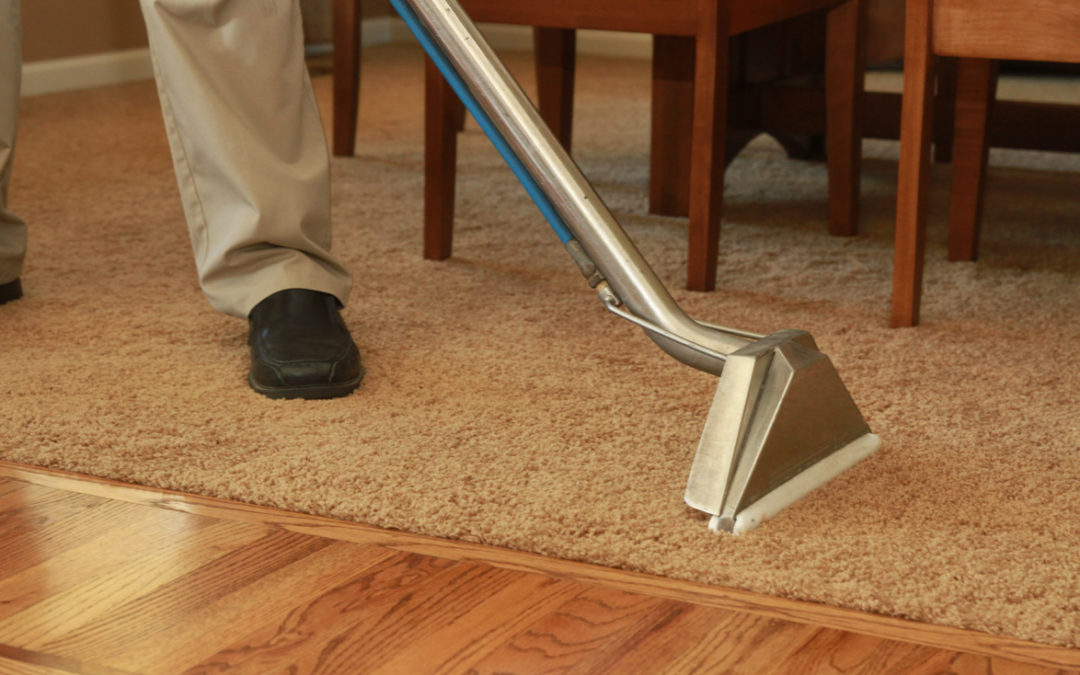
Understanding the Factors That Affect Drying Speed
Several variables influence how quickly carpets and upholstery dry after steam cleaning. Recognizing these factors helps you make informed choices that lead to faster results:
- Humidity: High moisture in the air slows evaporation. Drying is faster in low-humidity environments.
- Airflow: Good ventilation and moving air help carry away moisture.
- Temperature: Warmer conditions generally speed up drying, but excessive heat can damage fibers.
- Carpet Thickness: Dense or plush carpets retain more water and require more time to dry.
- Cleaning Method: The amount of water used and the efficiency of extraction equipment both play a role.
By adjusting these variables where possible, you can significantly reduce the time it takes for surfaces to dry after a deep clean.
Best Practices for Faster Drying After Steam Cleaning
Applying the right techniques before, during, and after cleaning can make a noticeable difference in drying times. Here are some of the most effective strategies:
1. Maximize Water Extraction
The less moisture left in the carpet, the less time it will take to dry. Use a high-quality extractor and make extra passes over wet areas to pull out as much water as possible. Some modern machines feature powerful suction designed specifically for this purpose. If you’re considering upgrading your equipment, look for models with enhanced extraction capabilities.
2. Improve Air Circulation
Open windows and doors to create cross-ventilation. Place fans in the room to keep air moving over the cleaned surfaces. For best results, use a combination of ceiling fans, box fans, or even specialized carpet dryers. Pointing fans directly at damp areas helps speed up evaporation.
3. Control Indoor Humidity
If you live in a humid climate or are cleaning during rainy weather, use a dehumidifier to lower moisture levels in the air. This encourages faster evaporation from carpets and upholstery. Running your air conditioner can also help reduce humidity indoors.

4. Use Towels to Blot Excess Moisture
After steam cleaning, lay clean, dry towels over damp areas and press down gently. This helps absorb water from the surface and can reduce drying time, especially in high-traffic zones or spots that tend to stay wetter longer.
5. Adjust Cleaning Techniques for Quicker Results
When possible, use less water during the cleaning process. Many modern machines allow you to control the amount of solution dispensed. Choose low-moisture or quick-dry settings if available. For delicate materials like wool, always check manufacturer recommendations or consult resources such as this guide on steam cleaning wool carpets to avoid damage while still achieving efficient drying.
Additional Tips for Speeding Up Carpet and Upholstery Drying
Beyond the basics, there are a few more steps you can take to ensure surfaces dry as quickly as possible:
- Move Furniture: Remove or elevate furniture to allow air to circulate freely across the cleaned area.
- Groom Carpet Fibers: Use a carpet rake or brush to lift fibers, which helps air reach deeper layers and speeds up evaporation.
- Keep Foot Traffic to a Minimum: Avoid walking on damp carpets to prevent matting and slow drying.
- Schedule Cleaning Strategically: Clean early in the day to take advantage of natural light and warmth, or choose dry weather when possible.
Implementing these habits can make a noticeable difference, especially when combined with the main strategies above.

Common Mistakes That Prolong Drying Time
Even with the best intentions, a few missteps can undo your efforts to speed up drying. Avoid these frequent errors:
- Overwetting: Using too much water or cleaning solution saturates carpets, making them harder to dry.
- Insufficient Extraction: Skipping extra vacuum passes leaves excess moisture behind.
- Poor Ventilation: Failing to open windows or use fans traps moisture indoors.
- Ignoring Humidity: Not using a dehumidifier in damp conditions can double or triple drying times.
By steering clear of these pitfalls, you’ll get the most out of your cleaning efforts and enjoy fresher, drier carpets sooner.
Maintaining Clean Carpets and Reducing Future Drying Times
Regular maintenance can help keep carpets cleaner and reduce the need for heavy, water-intensive cleaning sessions. Vacuum frequently, address spills promptly, and consider using quick-drying spot treatments for minor stains. If you have pets, check out the pet hair removal from carpet fast cleaning tips for additional advice on keeping carpets fresh between deep cleans.
When it’s time for a full steam clean, following the strategies outlined above will help you minimize downtime and maintain a healthy, comfortable home environment.
Frequently Asked Questions
How long does it usually take for carpets to dry after steam cleaning?
Drying times vary depending on humidity, airflow, carpet thickness, and the amount of water used. On average, carpets may take anywhere from 4 to 12 hours to dry completely. Using fans, dehumidifiers, and proper extraction can shorten this period significantly.
Is it safe to walk on carpets before they are fully dry?
It’s best to avoid foot traffic until carpets are completely dry to prevent matting, soiling, and potential mold growth. If you must walk on damp carpets, wear clean socks or shoe covers and keep movement to a minimum.
Can I speed up drying by turning up the heat?
Increasing room temperature can help, but avoid excessive heat as it may damage carpet fibers or backing. A moderate, steady temperature combined with good airflow and low humidity is most effective for drying.
