
Carpets can be a magnet for dust, pollen, pet dander, and other allergens that affect indoor air quality and trigger allergy symptoms. If you or your family members are sensitive to these particles, taking steps to minimize allergens in your home is essential. Understanding how to remove allergens from carpets effectively can help create a healthier living environment and reduce sneezing, coughing, and other allergy-related issues.
This guide covers practical methods for deep cleaning, routine maintenance, and choosing the right products to keep your carpets as allergen-free as possible. Whether you’re dealing with seasonal allergies, pet-related sensitivities, or just want a fresher home, you’ll find actionable tips here. For more targeted advice, you might also be interested in our pet hair removal from carpet home cleaning guide, which addresses another common source of indoor allergens.
Why Carpets Trap Allergens and How It Affects Health
Carpets act like a filter, catching particles that float through the air. While this can help keep some allergens out of the breathing zone, over time, these particles build up and can be released back into the air when disturbed. Common carpet allergens include:
- Dust mites and their waste products
- Pollen tracked in from outside
- Pet dander from cats, dogs, and other animals
- Mold spores in damp environments
- Food particles and debris
Exposure to these allergens can trigger symptoms such as sneezing, itchy eyes, runny nose, and asthma attacks. Regular and thorough cleaning is key to minimizing these health risks.
Routine Maintenance: The First Step in Allergen Control
Consistent upkeep is crucial for reducing the buildup of allergy triggers in your carpet. Here are some effective maintenance strategies:
- Vacuum frequently: Use a vacuum with a HEPA filter at least twice a week. HEPA filters capture tiny particles that standard vacuums might recirculate.
- Address spills and stains promptly: Moisture can lead to mold growth, so clean up spills right away and dry the area thoroughly.
- Remove shoes indoors: This simple habit prevents outdoor pollen and dirt from being tracked onto carpets.
- Groom pets regularly: Brushing pets and wiping their paws helps limit the amount of dander and outdoor allergens they bring inside.
For more in-depth tips on keeping your floors clean, see our pet hair removal from carpet ultimate guide.
Deep Cleaning Methods for Allergen Removal
While routine vacuuming is important, periodic deep cleaning is essential for removing embedded allergens. Here are the most effective methods:

Steam Cleaning for Deep Allergen Extraction
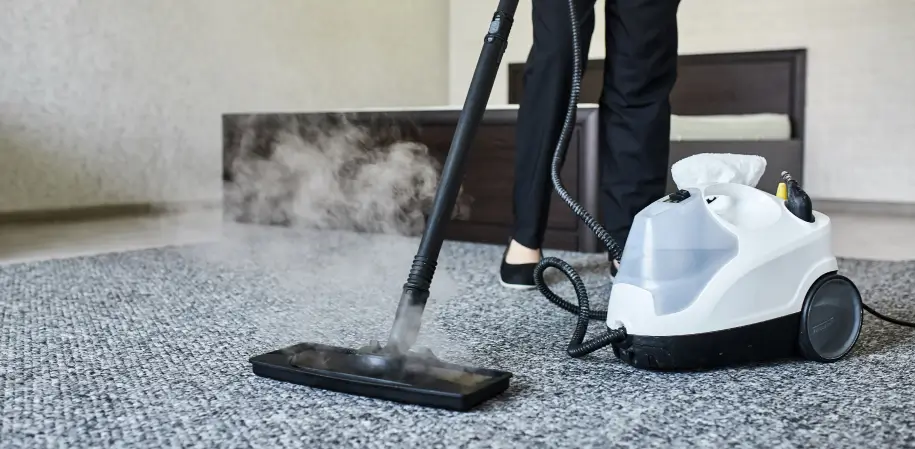
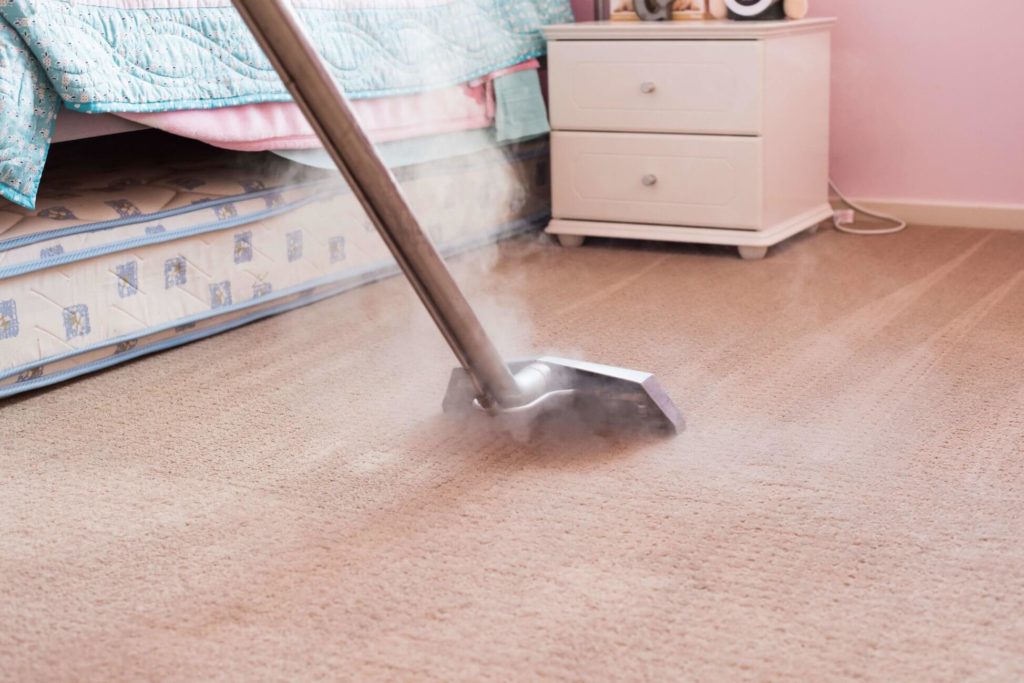
Steam cleaning, also known as hot water extraction, is one of the most effective ways to remove allergens from carpets. The high temperature kills dust mites and loosens dirt, while powerful suction removes debris from deep within the fibers. For those with wool carpets, it’s important to use the right technique and equipment. For more details, refer to this comprehensive guide on steam cleaning wool carpets.
Choosing the Right Cleaning Products
Look for carpet cleaning solutions labeled as hypoallergenic or specifically designed to neutralize allergens. Avoid products with strong fragrances or harsh chemicals, as these can irritate sensitive individuals. Carpet sprays can be used for spot cleaning and to refresh high-traffic areas between deep cleans.
Professional Cleaning Services
Hiring a professional carpet cleaner at least once or twice a year can make a significant difference, especially for households with severe allergies or pets. Professionals use commercial-grade equipment and specialized solutions to extract allergens more thoroughly than most home machines.
Additional Tips for Minimizing Carpet Allergens
Beyond cleaning, there are several steps you can take to further limit allergen accumulation:
- Use area rugs: Place washable rugs in high-traffic areas for easier maintenance.
- Control humidity: Keep indoor humidity below 50% to prevent mold and dust mite growth.
- Air purifiers: Use HEPA air purifiers in rooms with carpet to capture airborne allergens.
- Replace old carpets: If your carpet is more than 10 years old or has persistent odors, consider replacing it with low-pile or hypoallergenic options.
For more practical household cleaning strategies, check out our pet hair removal from carpet practical household tips article.
Common Mistakes to Avoid When Cleaning Carpets
Even with the best intentions, some cleaning habits can make allergies worse. Avoid these pitfalls:
- Using the wrong vacuum: Vacuums without HEPA filters can blow allergens back into the air.
- Overwetting carpets: Excess moisture can lead to mold growth. Always ensure carpets dry quickly after cleaning.
- Neglecting under furniture: Allergens can accumulate in hidden areas. Move furniture periodically to clean underneath.
- Ignoring manufacturer guidelines: Check your carpet’s care instructions before using new products or cleaning methods.
FAQ: Carpet Allergen Removal
How often should carpets be cleaned to reduce allergens?
For allergy control, vacuum at least twice a week and schedule deep cleaning every 6 to 12 months. Households with pets or severe allergies may benefit from more frequent deep cleans.
Are certain types of carpets better for allergy sufferers?
Low-pile carpets and those made from synthetic fibers tend to trap fewer allergens and are easier to clean. Wool carpets can be a good option if maintained properly, but always follow recommended cleaning practices.
Can DIY cleaning be as effective as professional services?
DIY cleaning with a quality machine and the right products can be effective for routine maintenance. However, professional services use stronger equipment and may achieve a deeper clean, especially for stubborn allergens or large areas.
Conclusion
Maintaining clean carpets is a key part of reducing indoor allergens and improving air quality. By combining regular vacuuming, periodic deep cleaning, and smart habits, you can significantly lower the presence of dust mites, pet dander, and other allergy triggers in your home. For more specialized advice, explore our pet hair removal from carpet indoor hygiene tips for additional strategies on keeping your living space fresh and healthy.
