
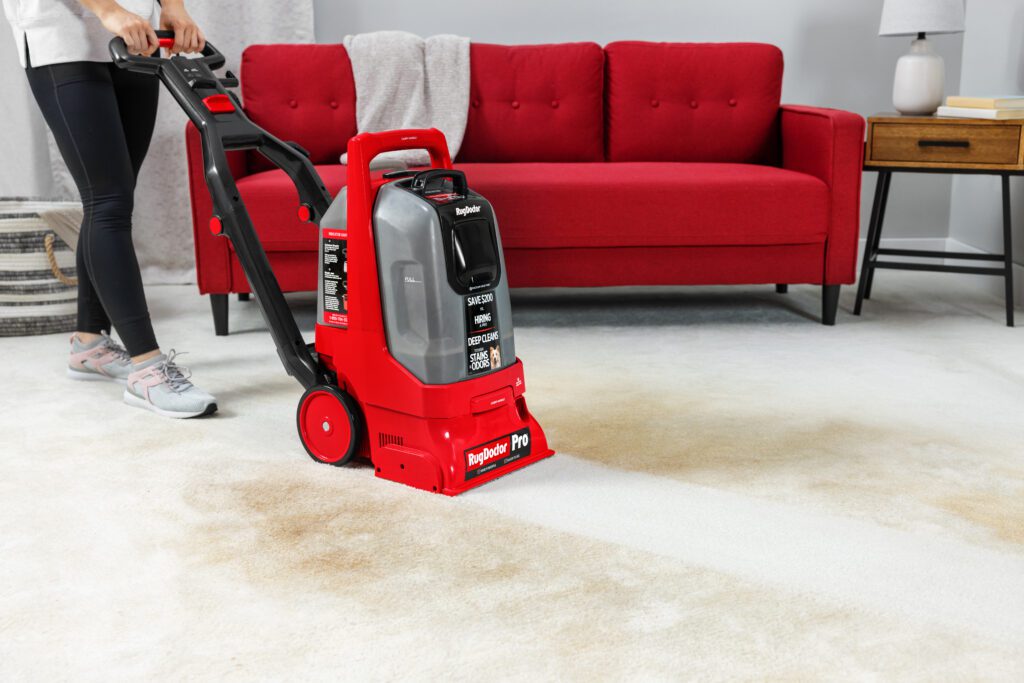
Carpet cleaners are essential for keeping floors fresh and free from stains, but even the best machines can get clogged over time. When this happens, suction drops, water stops spraying, and cleaning results suffer. Learning how to unclog a carpet cleaner is a practical skill that saves time, extends the life of your equipment, and ensures your carpets get the deep clean they deserve.
In this guide, you’ll find step-by-step instructions for clearing blockages, tips for safe maintenance, and advice on preventing future clogs. Whether you use a portable spot cleaner or a full-size upright model, these methods apply to most brands and designs. If you’re also dealing with pet hair, consider checking out our pet hair removal from carpet home cleaning guide for additional cleaning strategies.
Common Signs Your Carpet Cleaner Is Clogged
Before diving into the process of fixing a blockage, it’s important to recognize the symptoms. Knowing when your machine needs attention helps prevent further damage and ensures effective cleaning. Here are the most frequent indicators:
- Weak or no suction – The machine leaves excess water behind or fails to pick up dirt.
- Water not dispensing – The spray trigger works, but no solution comes out.
- Unusual noises – Gurgling, sputtering, or high-pitched whines can signal a blockage.
- Dirty water tank remains empty – Despite cleaning, little or no dirty water is collected.
- Visible debris in hoses or nozzles – Hair, lint, or residue can often be seen obstructing flow.
Identifying these issues early makes unclogging easier and helps avoid more serious repairs.
Essential Safety Tips Before You Start
Whenever you perform maintenance on a carpet cleaning machine, safety should be your top priority. Follow these guidelines to protect yourself and your equipment:
- Unplug the machine before opening any compartments or handling water.
- Allow the unit to cool if it’s been running for a while, especially if it uses heated water.
- Wear gloves to avoid contact with dirty water or cleaning chemicals.
- Work in a well-lit, ventilated area to spot debris and prevent slips.
- Keep small parts and screws in a container so nothing gets lost during disassembly.
Step-by-Step Instructions for Clearing Blockages
Follow these steps to restore your carpet cleaner’s performance. The process is similar for most upright and portable models, but always consult your user manual for machine-specific advice.
-
Empty and Rinse All Tanks
Remove both the clean and dirty water tanks. Rinse them thoroughly to clear out any debris or residue. Check for stuck hair or lint around the tank openings. -
Inspect and Clean the Nozzles
Most clogs occur in the spray nozzles or suction path. Gently remove the nozzle cover (if removable) and use a soft brush or toothpick to dislodge any buildup. Rinse under warm water. -
Check the Hoses and Attachments
Detach hoses and inspect for blockages. Run water through each hose to flush out obstructions. For stubborn clogs, push a flexible cleaning brush or straightened wire through the hose. -
Examine the Brush Roll and Intake
Hair and fibers can wrap around the brush roll or clog the intake area. Remove the brush (if possible) and clear away tangled debris. Wipe down the intake opening. -
Reassemble and Test
Once all parts are clean and dry, reassemble the machine. Fill the clean water tank and perform a quick test on a small area to ensure water sprays and suction is restored.
For more on how these machines operate and why clogs happen, see this detailed explanation of how carpet cleaners work.
Preventing Future Clogs in Your Carpet Cleaning Machine
Regular maintenance is the best way to avoid recurring blockages. Here are some practical tips to keep your cleaner running smoothly:
- Vacuum carpets thoroughly before using your carpet cleaner to remove loose dirt and hair.
- Rinse tanks, nozzles, and hoses after every use to prevent buildup.
- Use only recommended cleaning solutions and avoid overly soapy or thick mixtures.
- Periodically check for mineral deposits if you have hard water; descale as needed.
- Store the machine in a dry area to prevent mold and mildew growth inside hoses and tanks.
Staying proactive with these habits can help you avoid the hassle of frequent clogs and extend the life of your equipment. If you’re looking for more ways to keep your home clean, our pet hair removal from carpet practical household tips offer additional insights for maintaining a spotless environment.
When to Seek Professional Help
While most clogs can be cleared at home, there are situations where professional service is the safest option. Consider contacting a technician if:
- The blockage is deep inside the motor or pump and cannot be reached without disassembly.
- You notice electrical issues, burning smells, or water leaks from the body of the machine.
- Repeated clogs occur even after thorough cleaning and maintenance.
Attempting to repair complex internal components yourself can void warranties or cause further damage. When in doubt, consult the manufacturer or a certified repair center.
Frequently Asked Questions
What causes most clogs in carpet cleaning machines?
The most common culprits are hair, lint, and carpet fibers that accumulate in hoses, nozzles, or brush rolls. Using the wrong cleaning solution or failing to rinse tanks can also lead to blockages.
Can I use vinegar or other homemade solutions to unclog my machine?
While vinegar can help dissolve mineral deposits, always check your machine’s manual before using it. Some models may be sensitive to acidic solutions. Stick to warm water and gentle brushes for most cleaning tasks.
How often should I clean my carpet cleaner to prevent clogs?
It’s best to rinse tanks, nozzles, and hoses after every use. Deep clean the machine monthly or after heavy-duty jobs to keep it running efficiently.
For more tips on keeping your carpets and equipment in top shape, explore our pet hair removal from carpet without harsh chemicals guide for safe, effective cleaning methods.
