
Carpets are a staple in many homes and businesses, offering comfort, insulation, and style. However, beneath their soft surface, carpets can harbor dust, allergens, bacteria, and even mold. This makes the importance of regular carpet sanitation a key consideration for anyone who values a clean and healthy indoor environment. Routine sanitizing not only improves the look and feel of your floors but also has a direct impact on health, air quality, and the longevity of your investment.
In this article, we’ll explore why keeping carpets sanitized is essential, how it benefits your space, and practical steps for maintaining a hygienic floor. If you’re also dealing with pet hair, you may find our guide on pet hair removal from carpet indoor hygiene tips helpful for a comprehensive cleaning routine.
Health Benefits of Consistent Carpet Cleaning
One of the most compelling reasons to prioritize regular carpet sanitation is its impact on health. Carpets act as filters, trapping dust, pollen, pet dander, and other allergens. Over time, these particles accumulate and can become airborne, especially when disturbed by foot traffic or vacuuming. For individuals with allergies, asthma, or other respiratory conditions, this can lead to discomfort or even trigger symptoms.
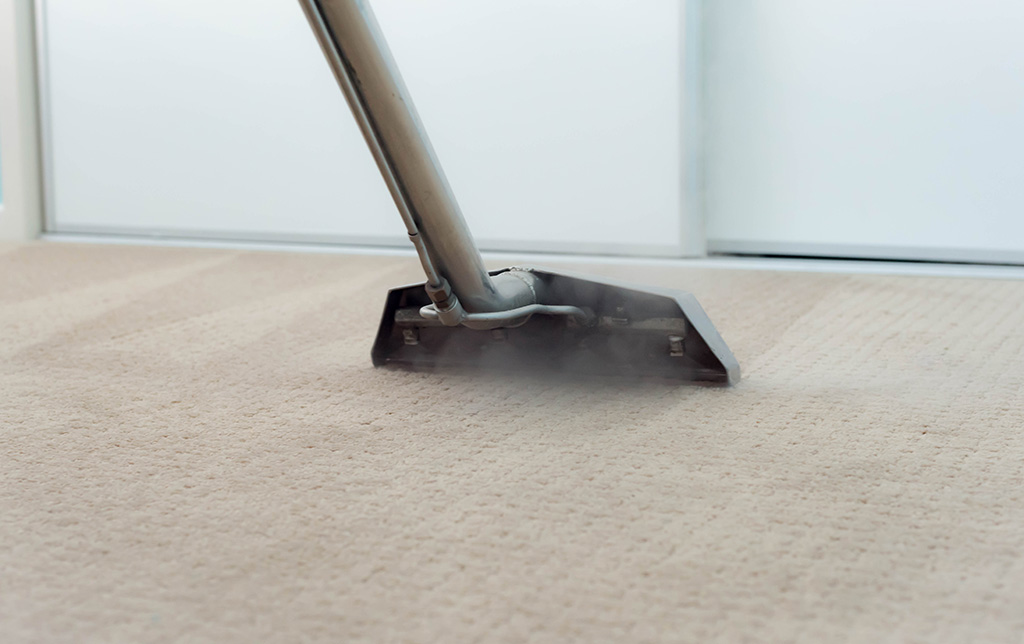
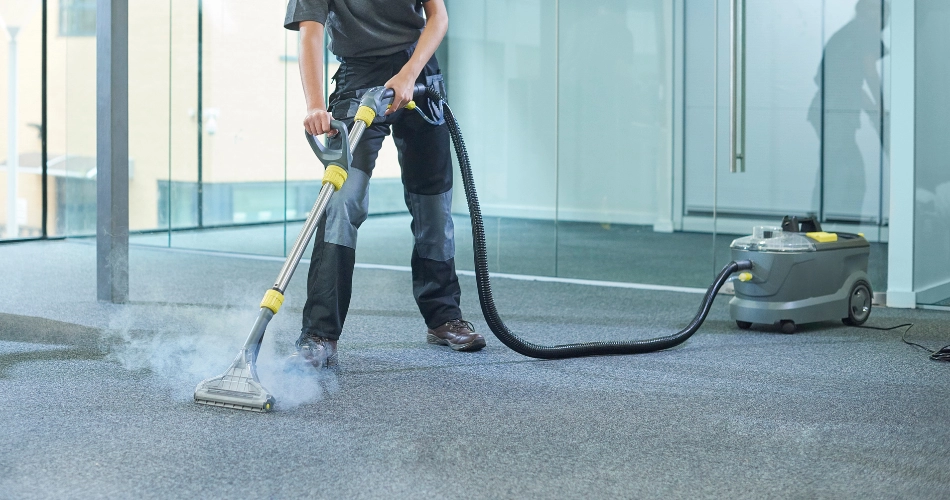
Thorough cleaning removes not only visible dirt but also microscopic contaminants. Professional steam cleaning, for example, uses high temperatures to eliminate bacteria, viruses, and dust mites. This process significantly reduces the risk of illness and supports a healthier indoor environment for everyone, especially children and pets who spend more time on the floor.
Extending Carpet Life Through Proper Sanitation
Carpets represent a significant investment, and their lifespan depends largely on how well they are maintained. Dirt and grit that settle deep within the fibers can cause abrasion, leading to premature wear and tear. Over time, this can make carpets look dull, matted, or even develop bald spots.
Regularly sanitizing your carpets helps remove these abrasive particles before they cause damage. In addition, proper cleaning prevents the buildup of stains and odors, keeping your carpet looking and smelling fresh. This not only saves money on early replacement but also maintains the overall appearance of your space.
Reducing Allergens and Improving Indoor Air Quality
The air quality inside your home or office is closely linked to the cleanliness of your carpets. Dust, mold spores, and other allergens can become trapped in carpet fibers and released into the air as people walk across the floor. This can contribute to poor indoor air quality, which is especially concerning in spaces with limited ventilation.
By implementing a consistent cleaning routine, you can significantly reduce the concentration of allergens and pollutants in your environment. This is particularly important for households with pets, as fur and dander can accumulate quickly. For more targeted advice, see our article on pet hair removal from carpet fast cleaning tips.
Odor Control and Aesthetic Value
Unpleasant odors are often a sign that carpets need attention. Spills, pet accidents, and everyday use can all contribute to lingering smells that are difficult to remove with surface cleaning alone. Deep sanitation helps eliminate the bacteria and organic matter responsible for these odors, leaving your space smelling clean and inviting.
Beyond odor control, sanitized carpets simply look better. Colors appear brighter, patterns are more defined, and the overall impression is one of cleanliness and care. This is particularly important in commercial settings, where first impressions can influence customer perceptions.
How Often Should You Sanitize Your Carpets?
The frequency of deep cleaning depends on several factors, including foot traffic, presence of pets, and whether anyone in the household has allergies. As a general guideline:
- High-traffic areas: Every 3–6 months
- Homes with pets or children: Every 3–4 months
- Low-traffic or rarely used rooms: Every 6–12 months
In addition to professional cleaning, regular vacuuming and spot treatment are essential for maintaining cleanliness between deep sanitizations. For those interested in the specifics of what to expect during a professional cleaning, this guide to professional carpet cleaning visits provides a helpful overview.
DIY vs. Professional Carpet Sanitation
Many homeowners wonder whether to tackle carpet sanitation themselves or hire a professional. Both methods have advantages. DIY cleaning with a quality machine and the right products can be effective for routine maintenance and spot cleaning. However, professionals use industrial-grade equipment and specialized solutions that penetrate deeper and remove more contaminants.
For best results, combine regular at-home care with periodic professional services. This approach maximizes cleanliness, extends carpet life, and ensures that even stubborn dirt and bacteria are addressed.
Additional Tips for Maintaining Clean Carpets
- Vacuum at least once a week, more often in high-traffic areas.
- Address spills and stains immediately to prevent them from setting.
- Use doormats at entrances to reduce dirt tracked indoors.
- Consider a no-shoes policy to limit the spread of outdoor contaminants.
- Schedule regular deep cleaning based on your household’s needs.
If you have pets, maintaining a routine for pet hair removal routine for busy pet owners can further improve the cleanliness and hygiene of your carpets.
Frequently Asked Questions
What are the risks of neglecting carpet sanitation?
Ignoring carpet cleaning can lead to a buildup of allergens, bacteria, and mold, which may cause health problems such as allergies, respiratory issues, and unpleasant odors. Over time, dirt and grit can also damage carpet fibers, reducing their lifespan and visual appeal.
Is vacuuming enough to keep carpets sanitary?
While vacuuming removes surface dirt and some allergens, it does not eliminate bacteria, dust mites, or deep-seated grime. Periodic deep cleaning with steam or professional equipment is necessary to fully sanitize carpets and maintain a healthy environment.
Can regular carpet cleaning help with allergies?
Yes, consistent cleaning reduces the presence of allergens such as dust mites, pet dander, and pollen. This can help minimize allergy symptoms and improve overall indoor air quality, especially for sensitive individuals.
How do I choose between DIY and professional carpet cleaning?
DIY cleaning is suitable for routine maintenance and minor stains, but professional services are recommended for deep sanitation, tough stains, or if you have health concerns. Professionals use advanced equipment and solutions that provide a more thorough clean.
What products are best for carpet sanitation?
Use cleaning solutions designed for carpets and follow the manufacturer’s instructions. For deep cleaning, steam cleaners and professional-grade sprays are effective. Always test a small area first to ensure compatibility with your carpet type.
