
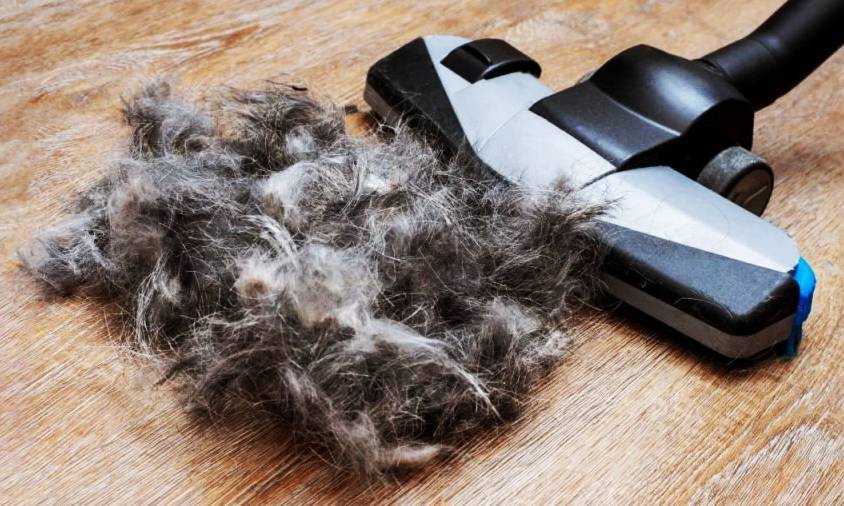
Dealing with pet hair on carpets is a common challenge for pet owners, especially if you’re new to cleaning up after furry friends. Pet hair can cling stubbornly to carpet fibers, making regular vacuuming seem ineffective. However, with the right techniques and tools, even beginners can achieve impressive results and keep their carpets looking fresh and clean.
This guide will walk you through practical steps for pet hair removal from carpet for beginners, covering essential tools, simple methods, and expert tips. Whether you have a shedding dog, a fluffy cat, or both, you’ll find actionable advice to make your cleaning routine easier and more effective.
For more in-depth strategies and household solutions, you can also check out the pet hair removal from carpet practical household tips article, which expands on daily routines and maintenance ideas.
Why Pet Hair Sticks to Carpets
Understanding why pet hair is so difficult to remove helps you choose the best approach. Pet hair contains microscopic barbs that latch onto carpet fibers. Static electricity can also cause hair to cling even more tightly, especially in dry environments. High-pile and textured carpets tend to trap more hair than low-pile varieties.
Regular cleaning is essential, but using the right tools and techniques can make a significant difference in how much hair you remove each time.
Essential Tools for Beginners
Before you start, gather a few basic supplies. You don’t need expensive equipment—many effective tools are affordable and easy to use:
- Vacuum Cleaner with Pet Hair Attachment: A vacuum designed for pet owners will have stronger suction and specialized brushes to lift hair from carpet fibers.
- Rubber Broom or Squeegee: The rubber bristles create friction, gathering hair into clumps for easy removal.
- Lint Roller: Great for spot cleaning or small areas.
- Microfiber Cloth or Damp Sponge: These can help pick up hair that vacuums miss, especially along baseboards and corners.
- Pet Hair Removal Rake: Designed specifically for carpets, these rakes pull embedded hair to the surface.
For a more detailed breakdown of tools and their uses, see the pet hair removal from carpet home cleaning guide.
Step-by-Step Methods for Removing Pet Hair
Follow these beginner-friendly steps to tackle pet hair on your carpets:
- Prepare the Area: Remove any furniture or obstacles from the carpeted area you plan to clean. This gives you full access and ensures no spots are missed.
- Loosen Hair with a Rubber Broom or Squeegee: Run the broom or squeegee across the carpet in short strokes. The rubber bristles will attract and gather hair into piles, making it easier to pick up.
- Vacuum Thoroughly: Use a vacuum with a pet hair attachment or brush roll. Move slowly and cover each section multiple times, especially in high-traffic areas or where your pet likes to nap.
- Spot Clean with a Lint Roller or Damp Cloth: For stubborn areas, press a lint roller onto the carpet or wipe with a slightly damp microfiber cloth. This helps lift hair that’s deeply embedded.
- Repeat as Needed: For homes with heavy shedders, you may need to repeat these steps several times a week.
Tips for Efficient Pet Hair Removal From Carpet for Beginners
To make the process smoother, consider these beginner tips:
- Vacuum in Multiple Directions: Go over the carpet from different angles to loosen and lift more hair.
- Use Short, Overlapping Strokes: When using a broom or squeegee, short strokes help collect more hair than long sweeps.
- Keep Tools Clean: Remove hair from vacuum rollers and broom bristles after each use to maintain effectiveness.
- Control Static: Lightly misting the carpet with water (not soaking) can reduce static and help hair release from fibers.
- Schedule Regular Cleaning: Consistency is key. Set a schedule that matches your pet’s shedding cycle to prevent buildup.
For more on maintaining a healthy indoor environment, see the pet hair removal from carpet indoor hygiene tips resource.
Alternative and Advanced Methods
Once you’re comfortable with the basics, you might want to try a few advanced techniques:
- Pet Hair Removal Rake: These specialized tools dig deeper into carpet fibers, pulling out hair that even vacuums can miss.
- Fabric Softener Solution: Mix a small amount of fabric softener with water in a spray bottle. Lightly mist the carpet, let it dry, then vacuum. The softener helps loosen hair from fibers.
- Professional Carpet Cleaning: For deep cleaning, consider hiring a professional service once or twice a year.
If you’re concerned about damaging your carpet, check out this pet hair removal from carpet without damaging fibers guide for gentle techniques.
Common Mistakes to Avoid
Even with the right tools, a few common errors can make pet hair removal less effective:
- Using a Standard Vacuum: Not all vacuums are created equal. Models without pet hair attachments may leave hair behind.
- Skipping Regular Cleaning: Waiting too long between cleanings allows hair to become more embedded in carpet fibers.
- Overwetting the Carpet: Too much moisture can damage carpets and create a breeding ground for mold.
- Ignoring Corners and Edges: Hair often accumulates along baseboards and in corners where vacuums may not reach.
For chemical-free solutions, refer to the pet hair removal from carpet without harsh chemicals article.
Preventing Pet Hair Buildup
Prevention is just as important as removal. Here are a few ways to minimize the amount of hair that ends up in your carpet:
- Brush Your Pet Regularly: Frequent grooming reduces shedding and keeps loose hair from settling on carpets.
- Use Washable Rugs: Place rugs in high-traffic areas and wash them often to catch hair before it reaches the carpet.
- Maintain a Clean Home: Regular dusting and sweeping can help reduce the spread of hair to carpeted areas.
For more ideas, see this comprehensive list of ways to keep carpets clear of dog hair.
Frequently Asked Questions
How often should I remove pet hair from my carpet?
For best results, aim to clean carpets at least twice a week if you have pets that shed heavily. High-traffic areas or pet sleeping spots may need more frequent attention. Consistent cleaning prevents hair from becoming deeply embedded.
What is the most effective tool for beginners?
A vacuum cleaner with a pet hair attachment is usually the most effective and user-friendly option for those new to carpet care. Rubber brooms and lint rollers are also excellent for quick touch-ups and hard-to-reach spots.
Can I use homemade solutions for pet hair removal?
Yes, a damp microfiber cloth or a mixture of water and a small amount of fabric softener can help loosen hair from carpet fibers. Always test a small area first to ensure no discoloration or damage occurs.
Are there any risks to using pet hair removal rakes?
Pet hair removal rakes are generally safe for most carpets, but it’s important to use gentle pressure, especially on delicate or high-pile carpets. Always follow the manufacturer’s instructions and test on a small area first.
What should I do if my vacuum isn’t picking up pet hair?
Check if the vacuum’s brush roll is clogged with hair and clean it regularly. Make sure you’re using the correct attachment, and consider going over the carpet in multiple directions for better results.
