
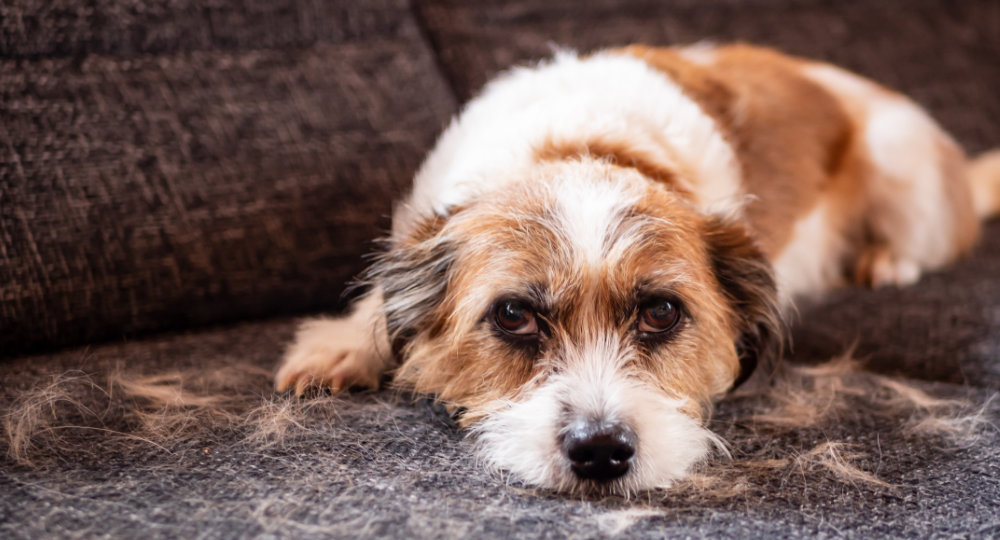
Dealing with pet hair embedded in carpet fibers can be a persistent challenge for pet owners. While vacuuming is a common solution, it often leaves behind stubborn strands that cling to the carpet. One of the most effective and accessible techniques for tackling this issue is the use of a damp mop. This approach leverages the natural cling of moisture to gather pet hair, making it easier to collect and remove from carpeted surfaces.
Understanding the right tools, steps, and tips for this method can make a significant difference in the cleanliness of your home and the longevity of your carpets. In this guide, you’ll discover how to efficiently use a damp mop for pet hair removal from carpet using damp mop techniques, along with practical advice to enhance your cleaning routine.
For a broader overview of strategies, you may also want to consult the pet hair removal from carpet home cleaning guide, which covers additional household tips and best practices.
Why Choose Damp Mop Techniques for Pet Hair?
Traditional vacuuming can struggle to lift fine pet hair, especially from high-pile or textured carpets. Damp mop methods offer several key advantages:
- Enhanced hair collection: The slight moisture helps pet hair clump together, making it easier to gather.
- Gentle on carpet fibers: Unlike aggressive brushing, a damp mop is less likely to damage delicate carpet materials.
- Cost-effective: Most households already have a mop, bucket, and water, making this a budget-friendly solution.
- Reduces allergens: Removing more hair means fewer allergens and less dander trapped in your home.
These benefits make the damp mop approach a valuable addition to your cleaning routine, especially for homes with heavy-shedding pets.
Essential Supplies for Damp Mop Pet Hair Removal
Before starting, gather the following items to ensure an efficient process:
- A clean, flat mop (microfiber mops are ideal)
- Bucket of clean, cool water
- Optional: a few drops of mild detergent (avoid harsh chemicals)
- Rubber gloves (for spot cleaning or stubborn areas)
- Vacuum cleaner (for pre- and post-mopping)
Using a microfiber mop is highly recommended, as its fibers are designed to attract and trap pet hair effectively. If you’re interested in more advanced tools, consider reading the pet hair removal from carpet ultimate guide for product recommendations and deeper cleaning tips.
Step-by-Step Guide: Pet Hair Removal From Carpet Using Damp Mop
Follow these steps for optimal results when tackling pet hair with a damp mop:
- Vacuum the carpet: Begin by thoroughly vacuuming to remove loose debris and as much pet hair as possible. This preps the carpet for deeper cleaning.
- Prepare the mop: Dip the microfiber mop in clean water. Wring it out thoroughly so it’s damp, not wet. Excess water can damage carpet backing or cause mildew.
- Mop in sections: Glide the damp mop over the carpet in short, overlapping strokes. Move in one direction to help gather hair into clumps.
- Collect hair: As hair accumulates, pick it up by hand or with a rubber glove. Rinse the mop frequently to avoid redistributing hair.
- Repeat as needed: Continue section by section until the entire carpet is covered. For stubborn areas, gently rub with a gloved hand or use a rubber broom.
- Final vacuum: Once the carpet is dry, vacuum again to pick up any remaining hair or debris.
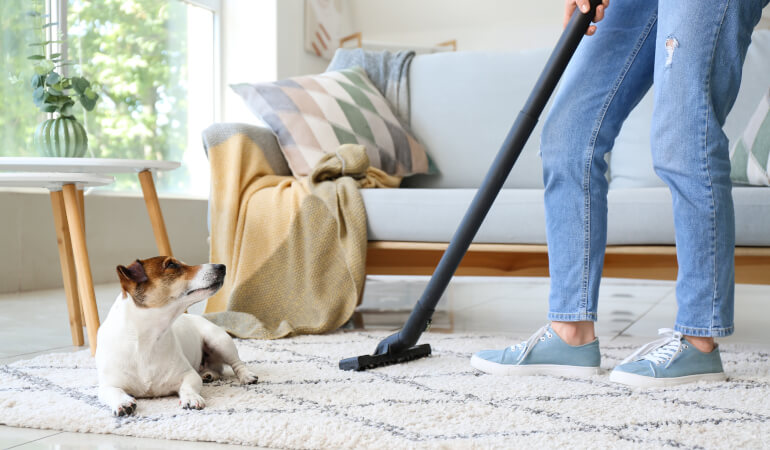
Tips for Maximizing Results With Damp Mop Cleaning
- Test first: Always test the damp mop on a small, inconspicuous area to ensure your carpet reacts well to moisture.
- Use short strokes: Short, overlapping strokes help gather more hair and prevent pushing it deeper into the fibers.
- Keep mop clean: Rinse and wring the mop frequently to avoid spreading hair or dirt.
- Don’t overwet: A mop that’s too wet can saturate the carpet, leading to potential mold or mildew issues.
- Combine with other methods: For best results, use the damp mop technique in conjunction with regular vacuuming and occasional use of a rubber broom or pet hair roller.
For more practical advice, check out the pet hair removal from carpet practical household tips for everyday strategies that complement the damp mop method.
When to Use a Damp Mop for Pet Hair
This approach is especially useful in the following situations:
- After grooming sessions when shedding is at its peak
- In high-traffic pet areas like living rooms or hallways
- Before hosting guests or deep cleaning days
- For allergy management, as it helps reduce dander and hair buildup
Regular use of this method can help maintain a fresher, cleaner home environment and extend the life of your carpets.

Comparing Damp Mop Methods to Other Pet Hair Removal Techniques
While the damp mop approach is highly effective, it’s helpful to understand how it stacks up against other popular methods:
| Method | Effectiveness | Best For |
|---|---|---|
| Damp Mop | High (especially for fine, embedded hair) | Routine cleaning, allergy reduction |
| Vacuuming | Moderate to High (depends on vacuum type) | Quick cleanups, large debris |
| Rubber Broom | High (great for clumping hair) | Large areas, thick carpets |
| Lint Roller | Low to Moderate | Spot cleaning, upholstery |
For a deeper dive into maintaining indoor hygiene, visit the pet hair removal from carpet indoor hygiene tips resource for more specialized advice.
Expert Advice and Additional Resources
Some cleaning experts recommend using a slightly dampened rubber squeegee or broom for even more effective hair gathering. For those interested in automated solutions, robotic vacuums designed for pet hair can also complement manual cleaning. For more insights on advanced cleaning devices and techniques, explore this comprehensive guide to removing dog hair from carpet.
If you’re concerned about carpet damage, the pet hair removal from carpet without damaging fibers article offers tips for safe and gentle cleaning.
Frequently Asked Questions
Can I use any mop for removing pet hair from carpet?
While any flat mop can work, a microfiber mop is most effective. Its fibers are designed to attract and trap pet hair, making the process faster and more thorough.
Is it safe to use a damp mop on all types of carpet?
Most carpets can handle light moisture, but always test a small area first. Avoid soaking the carpet, as excess water can cause damage or promote mold growth.
How often should I use the damp mop method for pet hair?
For homes with heavy-shedding pets, using this method once or twice a week can help maintain a cleaner environment. Adjust frequency based on your pet’s shedding and household needs.
What should I do if pet hair remains after mopping?
If some hair is left behind, let the carpet dry and vacuum again. For stubborn spots, use a rubber glove or broom to gather remaining hair.
