
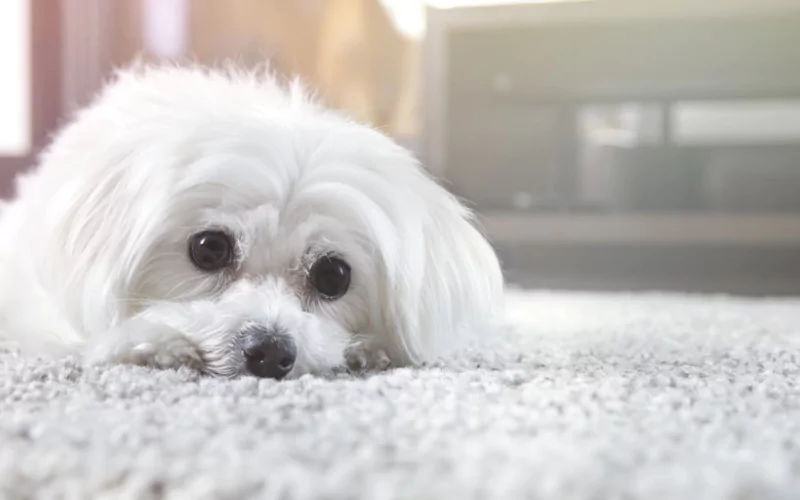
Pet owners know the struggle: no matter how often you vacuum, fur seems to cling to carpets and rugs. Shedding is a natural part of life with cats and dogs, but that doesn’t mean your home has to be covered in hair. Whether you’re dealing with stubborn clumps or fine strands woven deep into fibers, there are effective ways to keep your carpets looking fresh and fur-free. This article explores the most practical pet hair removal tricks for carpet cleaning, from simple household hacks to specialized tools.
For a comprehensive overview of cleaning methods and maintenance, check out the pet hair removal from carpet home cleaning guide for additional insights and step-by-step instructions.
Why Pet Hair Sticks to Carpets
Understanding why fur is so persistent helps you choose the right cleaning strategies. Pet hair is lightweight and often carries static electricity, which causes it to cling tightly to carpet fibers. As pets move around, their fur gets worked deeper into the pile, making it difficult to remove with standard vacuuming alone. High-traffic areas and plush rugs are especially prone to trapping hair, requiring a combination of methods for thorough cleaning.
Essential Tools for Removing Pet Hair
Before diving into specific techniques, it’s important to gather the right tools. The following items are especially effective for tackling fur on carpets:
- Vacuum cleaners with strong suction and brush rolls designed for pet hair
- Rubber brooms or squeegees
- Lint rollers and sticky tape
- Fabric softener spray (diluted with water)
- Specialized pet hair removal brushes
- Microfiber cloths and gloves
Investing in quality cleaning tools makes a noticeable difference, especially for homes with heavy shedders. For more practical advice, the pet hair removal from carpet practical household tips article offers additional recommendations.
Vacuuming Techniques for Maximum Hair Pickup
While vacuuming is the foundation of carpet maintenance, not all vacuums are created equal. For pet owners, a model with a motorized brush roll and HEPA filtration is ideal. Here are some pet hair removal tricks for carpet cleaning using your vacuum:
- Go over each area slowly, allowing the suction to lift embedded hair.
- Vacuum in multiple directions to loosen fur from different angles.
- Empty the vacuum canister frequently to maintain optimal suction.
- Use attachments for corners, stairs, and upholstery.
Manual Methods: Rubber Brooms, Squeegees, and More
For stubborn fur that resists vacuuming, manual tools can make a big impact. Rubber brooms and squeegees create friction that lifts hair from carpet fibers. To use these tools:
- Drag the rubber edge across the carpet in short, firm strokes.
- Gather hair into piles and pick up by hand or with a dustpan.
- Repeat as needed, especially in high-shedding zones.
Microfiber gloves or dampened cloths can also attract loose fur. Simply run your hand over the carpet, and the static charge will help lift hair that’s stuck to the surface. For more eco-friendly approaches, see the pet hair removal from carpet without harsh chemicals guide.
DIY Solutions: Lint Rollers, Tape, and Fabric Softener
Household items can be surprisingly effective for quick cleanups. Lint rollers are perfect for small areas or touch-ups, while wide packing tape can be wrapped around your hand (sticky side out) to dab at stubborn spots. For a deeper clean, try this fabric softener trick:
- Mix one part fabric softener with three parts water in a spray bottle.
- Lightly mist the carpet (do not soak).
- Let it dry for a few minutes, then vacuum as usual.
The softener helps loosen hair from fibers, making it easier for your vacuum to pick up. This method is especially useful before guests arrive or after a heavy shedding season.
Preventing Pet Hair Buildup
Prevention is just as important as cleaning. Regular grooming reduces the amount of loose fur in your home. Brush your pets frequently, especially during shedding seasons, and consider using a de-shedding tool. Place washable throws or mats in your pet’s favorite spots to catch hair before it reaches the carpet. For more hygiene tips, the pet hair removal from carpet indoor hygiene tips article offers helpful advice on maintaining a cleaner environment.
When to Use Professional Carpet Cleaning
Sometimes, even the best home methods aren’t enough—especially if you’re dealing with allergies or deeply embedded fur. Professional carpet cleaning services use high-powered extraction and specialized equipment to remove hair, dander, and odors. Scheduling a deep clean every 6–12 months keeps carpets in top condition and extends their lifespan.
Expert Tips and Additional Resources
For more clever ideas, you can find a range of simple ways to get dog hair out of your carpet that complement the strategies discussed here. Combining multiple techniques—such as vacuuming, manual removal, and preventive care—yields the best results for most households.
If you want a step-by-step breakdown of advanced methods, the pet hair removal from carpet ultimate guide provides a detailed look at every stage of the process.
Frequently Asked Questions
What is the most effective way to remove pet hair from carpets?
The most effective approach combines vacuuming with a pet-specific vacuum cleaner, using a rubber broom or squeegee for stubborn areas, and spot-treating with lint rollers or tape. Regular grooming and preventive care also help reduce buildup.
Can I use household products to help with pet hair removal?
Yes, items like lint rollers, packing tape, and diluted fabric softener spray can be very effective for quick cleanups and loosening hair before vacuuming. These methods are safe for most carpets when used as directed.
How often should I clean my carpets if I have pets?
For homes with pets, vacuuming at least twice a week is recommended. Deep cleaning or professional carpet cleaning should be done every 6–12 months, or more frequently in high-traffic or high-shedding households.
