
The shift toward sustainable living is accelerating, with net-zero homes becoming a benchmark for energy efficiency and environmental responsibility. At the heart of this transformation is AI energy optimization net-zero homes technology, which leverages artificial intelligence to manage, monitor, and reduce energy consumption. This approach not only supports eco-friendly goals but also delivers tangible benefits for homeowners, including lower utility bills, increased comfort, and a reduced carbon footprint.
By integrating smart algorithms and connected devices, modern residences can automatically adapt to changing conditions, optimize resource use, and even anticipate future needs. As we explore the latest advancements in this field, it becomes clear that intelligent energy management is shaping the future of residential living.
For those interested in the broader context of intelligent home systems, home energy management systems explained offers a comprehensive overview of centralized control and its role in sustainable housing.
Understanding AI-Driven Energy Management in Sustainable Homes
Artificial intelligence is revolutionizing how energy is consumed and conserved in residential environments. By analyzing real-time data from sensors, weather forecasts, and user behavior, AI systems can make precise adjustments to heating, cooling, lighting, and appliance usage. This level of automation ensures that energy is used only when needed, minimizing waste and maximizing efficiency.
Key features of AI-powered energy management include:
- Predictive analytics that forecast energy demand based on historical patterns and external factors.
- Automated device control to optimize the operation of HVAC systems, water heaters, and other major appliances.
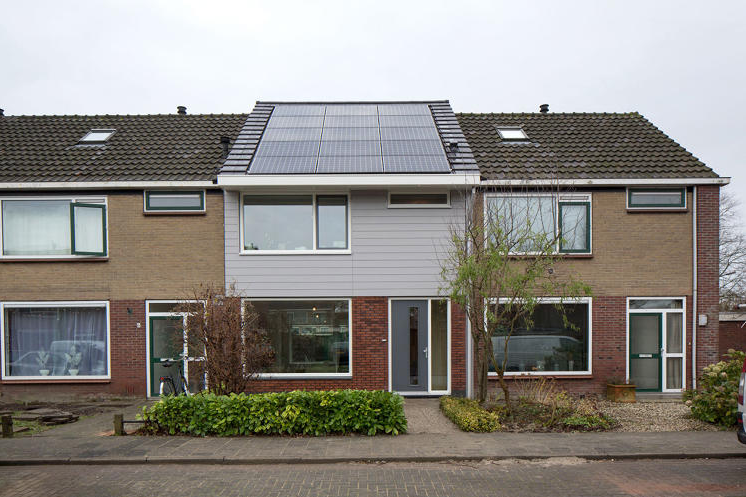
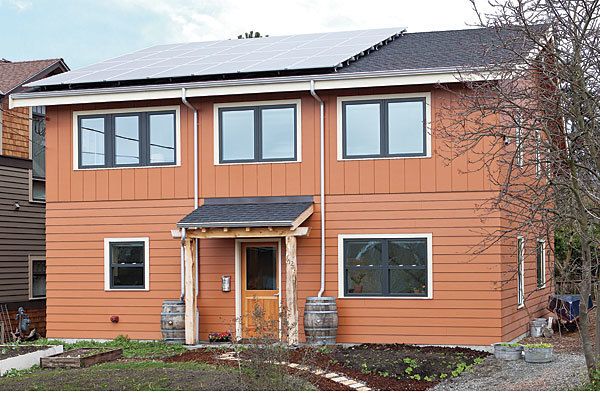
- Integration with renewable sources like solar panels, enabling homes to generate and store their own power efficiently.
- Continuous learning that adapts to changing household routines and preferences.
These innovations are central to achieving net-zero status, where a home produces as much energy as it consumes over the course of a year.
How AI Energy Optimization Net-Zero Homes Technology Works
At its core, AI energy optimization net-zero homes technology relies on interconnected sensors, smart meters, and cloud-based platforms. These components collect and analyze data on electricity usage, occupancy, temperature, and even sunlight exposure. The AI engine processes this information and issues commands to various systems throughout the home.
For example, if the system detects that no one is home, it can automatically lower the thermostat, turn off unnecessary lights, and delay the operation of energy-intensive appliances until renewable energy production peaks. This orchestration happens seamlessly, often without any manual intervention from the homeowner.
To further enhance efficiency, many systems incorporate demand response capabilities, adjusting consumption in response to utility pricing signals or grid conditions. This not only benefits the homeowner but also supports broader efforts to stabilize the energy grid and reduce reliance on fossil fuels.
Benefits of Intelligent Energy Optimization for Homeowners
Adopting AI-based energy management in sustainable homes brings a host of advantages:
- Lower energy bills: Automated adjustments and smart scheduling reduce unnecessary consumption, leading to significant cost savings.
- Enhanced comfort: AI systems learn household routines and preferences, ensuring optimal temperature and lighting at all times.
- Reduced environmental impact: By maximizing the use of renewable energy and minimizing waste, these homes contribute to a cleaner planet.
- Increased property value: Homes equipped with advanced energy optimization systems are often more attractive to buyers seeking sustainability and long-term savings.
- Remote monitoring and control: Homeowners can oversee and adjust their energy usage from anywhere using mobile apps or web interfaces.
For those interested in tracking their own energy consumption, energy monitoring net-zero homes provides practical insights into usage patterns and opportunities for further savings.
Key Components of AI-Optimized Net-Zero Homes
To achieve the highest levels of efficiency, several technologies work together within a smart home ecosystem:
- Smart thermostats that adjust heating and cooling based on occupancy and weather forecasts.
- Intelligent lighting systems that use sensors to turn lights on or off automatically, as detailed in smart lighting net-zero homes.
- Advanced energy storage solutions, such as batteries, that store excess solar power for use during peak demand periods.
- Home automation platforms that coordinate all devices and systems for seamless operation. More on this can be found in automation systems net-zero houses.
- Energy monitoring tools that provide real-time feedback and actionable recommendations.
These components are often managed through a centralized interface, allowing homeowners to set preferences, view reports, and receive alerts about unusual consumption patterns.
Challenges and Considerations for Homeowners
While the promise of AI-powered energy optimization is compelling, there are important factors to consider before implementation:
- Initial investment: Upgrading to smart systems and renewable energy sources can require significant upfront costs, though these are often offset by long-term savings.
- Data privacy: As homes become more connected, ensuring the security of personal data is essential.
- System compatibility: Not all devices and platforms work seamlessly together, so careful selection and integration are crucial.
- Maintenance: Ongoing updates and occasional troubleshooting may be necessary to keep systems running smoothly.
Homeowners are encouraged to work with experienced professionals and choose reputable brands to ensure reliable performance and support.
Looking Ahead: The Evolution of Smart, Sustainable Living
The future of residential energy management is closely tied to advancements in artificial intelligence and automation. As technologies mature, we can expect even greater levels of efficiency, comfort, and sustainability. For instance, next-generation systems may incorporate machine learning to predict and respond to grid fluctuations, or use blockchain to facilitate peer-to-peer energy trading between homes.
For a deeper dive into the integration of connected devices and automation, see smart home technology net-zero homes, which explores how these solutions are transforming the residential landscape.
Industry leaders and researchers continue to innovate, with new materials, software, and business models emerging regularly. For a broader industry perspective, this overview of net-zero buildings and construction trends highlights the latest developments and their impact on the built environment.
FAQ: AI Energy Optimization and Net-Zero Homes
What is the main advantage of using AI for energy management in sustainable homes?
The primary benefit is the ability to automatically and intelligently adjust energy usage based on real-time data, leading to lower utility bills, increased comfort, and a smaller environmental footprint. AI systems can learn household patterns and optimize energy consumption without manual intervention.
How do AI-optimized homes achieve net-zero energy status?
These homes combine advanced energy monitoring, smart automation, and integration with renewable sources like solar panels. By using AI to manage when and how energy is consumed, generated, and stored, the home can balance its annual energy use with on-site production.
Are there privacy concerns with AI-powered home energy systems?
Yes, as these systems collect and process large amounts of personal data, ensuring robust cybersecurity and privacy protections is essential. Homeowners should choose reputable providers and regularly update their systems to safeguard sensitive information.
