

Net-zero homes are designed to produce as much energy as they consume, making them a cornerstone of sustainable living. As the demand for energy-efficient housing grows, the integration of the Internet of Things (IoT) is transforming how these homes operate. By connecting various systems—heating, cooling, lighting, and appliances—IoT enables seamless automation and real-time monitoring, helping homeowners maximize energy efficiency and comfort.
Understanding how smart devices work together in eco-friendly homes is essential for anyone interested in sustainable living or planning a high-performance build. This article explores how IoT technologies interconnect to create smarter, greener living spaces. For a deeper dive into how centralized platforms manage these systems, see home energy management systems explained.
How IoT Powers Sustainable Living
The role of IoT in net-zero homes goes beyond simple convenience. By linking devices and sensors throughout the house, IoT platforms gather data on energy use, temperature, humidity, and occupancy. This information enables automated adjustments that reduce waste and optimize comfort. For example, smart thermostats can learn your schedule and adjust heating or cooling based on when you’re home, while connected lighting systems dim or turn off when rooms are unoccupied.
These interconnected systems are especially valuable in net-zero buildings, where every watt counts. By leveraging real-time data, homeowners can identify inefficiencies and make informed decisions about energy use. For more on integrating smart technologies in efficient homes, consider reading about smart home technology for net-zero homes.
Key Components of Connected Eco-Systems
Creating a truly smart, energy-efficient home involves a range of IoT-enabled devices and platforms. Here are some of the most impactful components:
- Smart Thermostats: Devices like the Nest or Ecobee automatically adjust heating and cooling based on occupancy, weather, and user preferences.
- Energy Monitoring Systems: Whole-home monitors track electricity usage in real time, helping pinpoint areas for improvement. For more on this, see energy monitoring for net-zero homes.
- Automated Lighting: Motion sensors and smart bulbs reduce unnecessary lighting, saving energy without sacrificing comfort. Learn more about smart lighting for net-zero homes.
- Smart Appliances: Connected refrigerators, washers, and ovens can run during off-peak hours or alert you to maintenance needs, further reducing energy waste.
- Integrated HVAC Systems: Advanced heating, ventilation, and air conditioning units communicate with other devices to maintain optimal indoor conditions efficiently.

Benefits of IoT Integration in Energy-Efficient Homes
Bringing IoT into the heart of net-zero living offers several tangible benefits:
- Energy Savings: Automated systems reduce unnecessary consumption, helping homeowners achieve and maintain net-zero status.
- Enhanced Comfort: Personalized settings and adaptive controls ensure ideal indoor conditions year-round.
- Remote Access: Control and monitor your home’s systems from anywhere using smartphones or tablets, making it easier to manage energy use even when away.
- Predictive Maintenance: IoT devices can alert you to potential issues before they become costly problems, extending the lifespan of appliances and systems.
- Data-Driven Insights: Access to detailed reports helps identify trends and opportunities for further efficiency improvements.
For those interested in how automation can further enhance efficiency, see automation systems for net-zero houses.
Challenges and Considerations When Connecting Smart Eco-Systems
While the advantages are significant, integrating IoT in high-performance homes comes with its own set of challenges:
- Interoperability: Not all devices communicate seamlessly. Choosing systems that support common standards (like Zigbee, Z-Wave, or Matter) can help avoid compatibility issues.
- Security: Connected devices can be vulnerable to cyber threats. Regular updates, strong passwords, and secure networks are essential for protecting your data and privacy.
- Initial Investment: While IoT devices can lead to long-term savings, upfront costs for equipment and installation may be higher compared to traditional systems.
- Complexity: Managing multiple devices and platforms can be overwhelming. Centralized control systems or professional integration services can simplify the process.
Despite these challenges, the benefits of a connected, energy-efficient home often outweigh the drawbacks, especially as technology continues to evolve and become more user-friendly.
Real-World Examples of Smart Net-Zero Homes
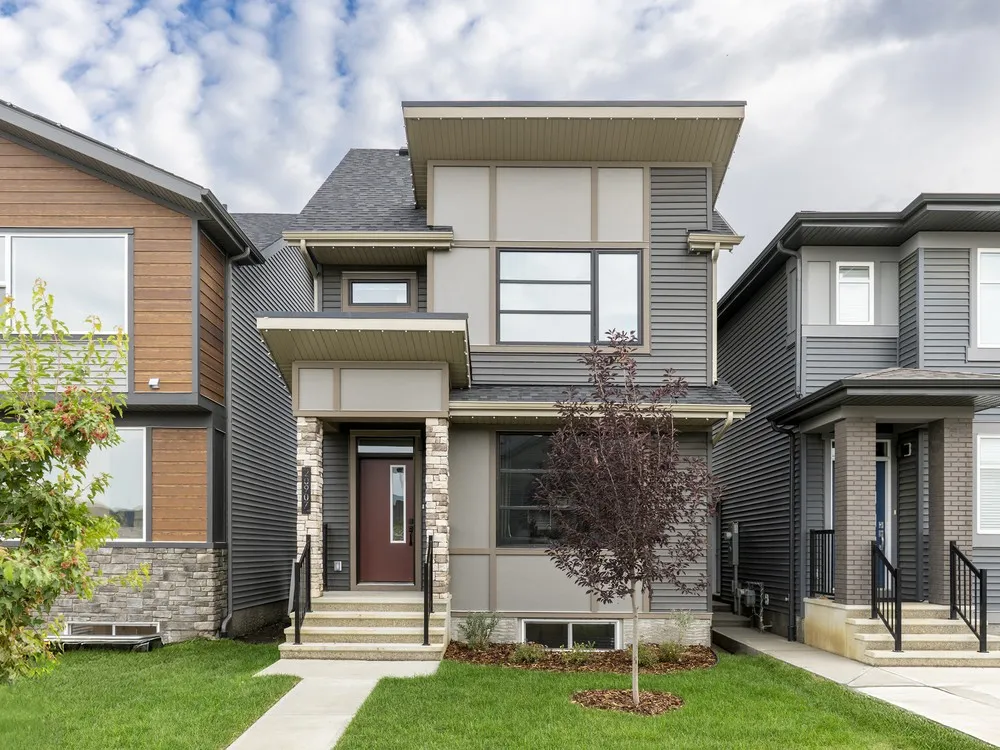
Across Canada and beyond, homeowners and builders are embracing IoT-driven eco-homes. These residences use a combination of solar panels, energy storage, and smart controls to balance production and consumption. For instance, sensors monitor indoor air quality and automatically adjust ventilation, while energy dashboards provide real-time feedback on usage patterns.
Some projects even integrate weather forecasting data, allowing systems to pre-heat or cool spaces in anticipation of temperature changes. This level of automation not only supports sustainability goals but also delivers a higher standard of living. For more inspiration, see this comprehensive overview of net-zero home innovations.
Getting Started with IoT in Your Eco-Friendly Home
If you’re considering adding smart technology to your sustainable home, start with these steps:
- Assess Your Needs: Identify which systems (heating, lighting, appliances) would benefit most from automation and monitoring.
- Choose Compatible Devices: Look for products that support open standards and can integrate with your preferred platform.
- Plan for Scalability: Select solutions that allow you to add new devices or features as your needs evolve.
- Prioritize Security: Set up secure Wi-Fi networks, use strong passwords, and keep device firmware up to date.
- Consult Professionals: For complex integrations, consider working with a smart home specialist or builder experienced in net-zero construction.
By taking a thoughtful approach, you can create a connected home that’s both efficient and easy to manage.
FAQ: Smart Technology and Net-Zero Living
What is the main advantage of using IoT in sustainable homes?
The biggest benefit is the ability to optimize energy use automatically. IoT devices monitor and adjust systems in real time, reducing waste and helping homeowners maintain net-zero energy balance with minimal manual input.
Are IoT devices difficult to install in existing homes?
Many smart devices are designed for easy installation and can be retrofitted into most homes. However, for more advanced integrations—such as whole-home energy monitoring or centralized control systems—professional installation may be recommended for best results.
How secure are connected devices in eco-friendly homes?
Security is a key consideration. Most reputable brands offer regular updates and security features, but it’s important for homeowners to use strong passwords, enable two-factor authentication where possible, and keep all device software current to minimize risks.
Can IoT help lower utility bills in net-zero homes?
Yes. By automating energy use and providing detailed feedback, IoT systems help identify inefficiencies and adjust usage patterns, often leading to significant savings on energy bills over time.
Where can I learn more about integrating smart technologies in sustainable homes?
For further reading, explore resources on integrated smart home solutions for net-zero homes and energy monitoring strategies.
