
As the world shifts toward sustainability, homeowners are increasingly looking for ways to reduce their carbon footprint and energy bills. Connected home net-zero systems offer a practical path to achieving these goals by integrating smart technologies, renewable energy sources, and advanced automation. These solutions are designed to balance energy consumption and production, resulting in homes that generate as much energy as they use over the course of a year.
In this article, we’ll explore how these integrated systems work, what technologies are involved, and how you can start building a smarter, greener home. For those interested in the latest advancements, our guide will also highlight key benefits, challenges, and resources to help you make informed decisions about sustainable living.

For a deeper dive into how artificial intelligence is shaping energy efficiency, see our resource on AI energy optimization net-zero homes, which explores the future of automated energy management in sustainable houses.
What Are Connected Home Net-Zero Systems?
At their core, these systems combine smart home technology, renewable energy generation, and energy storage to create an ecosystem where energy use and production are balanced. The goal is to achieve net-zero energy status, meaning the home’s annual energy consumption is offset by its own renewable energy generation—typically through solar panels or wind turbines.
Key components of a modern connected home designed for net-zero performance include:
- Smart energy monitoring for real-time usage tracking
- Automated climate control and lighting
- On-site renewable energy generation (solar, wind, geothermal)
- Battery storage systems
- Efficient building envelope and insulation
- Integration with electric vehicle charging
By connecting these elements through a centralized platform, homeowners gain visibility and control over their energy flows, making it easier to optimize for efficiency and sustainability.
Key Technologies Powering Sustainable Smart Homes
Several innovations have made it possible for homes to approach or achieve net-zero status. Let’s look at the main technologies that drive these integrated solutions:
Smart Energy Monitoring and Management
Energy monitoring systems are the backbone of any connected net-zero home. Devices such as smart meters and circuit-level monitors provide detailed insights into where and how energy is being used. This data enables homeowners to identify inefficiencies and adjust usage patterns.
For more on tracking and optimizing your home’s energy use, check out our article on energy monitoring net-zero homes.
Renewable Energy Generation and Storage
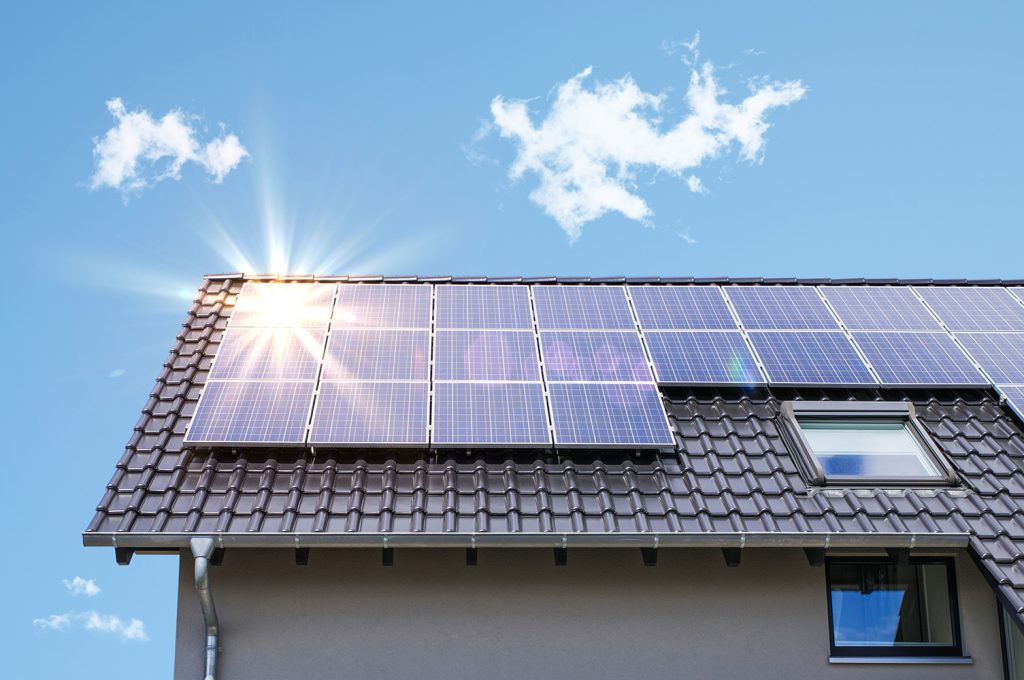
Solar panels are the most common renewable energy source for residential properties, but wind turbines and geothermal systems are also gaining traction. These systems are often paired with battery storage, allowing excess energy to be saved for use during peak demand or at night.
Advanced inverters and smart controllers ensure that energy flows efficiently between the grid, the home, and storage systems. This seamless integration is essential for maintaining net-zero performance.
Automation and Smart Controls
Modern automation platforms can coordinate everything from HVAC systems to lighting and appliances. By using occupancy sensors, weather data, and user preferences, these platforms optimize energy use without sacrificing comfort.
Learn more about the benefits of automated controls in our overview of automation systems net-zero houses.
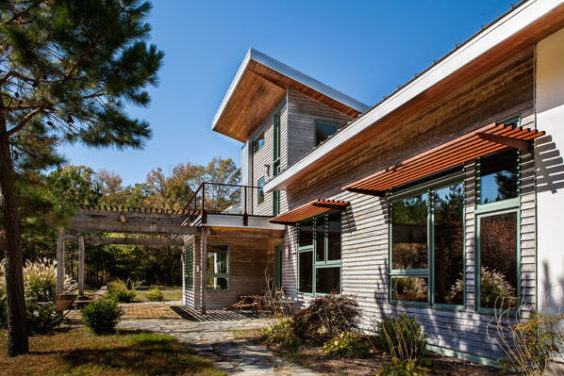
Benefits of Integrated Net-Zero Home Solutions
Adopting a connected approach to net-zero living brings a range of advantages, both for homeowners and the environment:
- Lower energy costs: By generating and managing your own energy, utility bills can be dramatically reduced or even eliminated.
- Reduced carbon footprint: Net-zero homes contribute less to greenhouse gas emissions, supporting global climate goals.
- Enhanced comfort and convenience: Automation ensures optimal indoor conditions while minimizing manual adjustments.
- Increased property value: Sustainable features are increasingly attractive to buyers and can boost resale value.
- Energy independence: On-site generation and storage reduce reliance on the grid and protect against outages.
For a comprehensive look at how smart home technology is being integrated into sustainable living, see our article on smart home technology net-zero homes.
Challenges and Considerations for Homeowners
While the benefits are significant, there are some challenges to consider when planning a connected net-zero home:
- Upfront costs: Installing solar panels, batteries, and smart systems requires an initial investment, though incentives and long-term savings can offset these expenses.
- System complexity: Integrating multiple technologies can be complex. Working with experienced professionals is recommended to ensure seamless operation.
- Maintenance: Renewable energy systems and smart devices require regular maintenance and occasional updates.
- Design and retrofitting: Achieving net-zero status is easier in new builds, but retrofitting older homes is possible with careful planning.
For those considering a new build, these net-zero energy home designs provide inspiration and practical examples of what’s possible with today’s technology.
Steps to Building a Seamless Sustainable Smart Home
Transitioning to a net-zero lifestyle doesn’t happen overnight. Here’s a practical roadmap for homeowners looking to make the switch:
- Assess your current energy use: Use smart monitors to track consumption and identify inefficiencies.
- Upgrade insulation and windows: Improving the building envelope reduces energy loss and lowers heating/cooling needs.
- Install renewable energy systems: Solar panels are the most accessible option, but consider wind or geothermal if suitable.
- Add battery storage: Store excess energy for use during peak times or outages.
- Integrate smart controls: Automate lighting, climate, and appliances for optimal efficiency.
- Monitor and optimize: Continuously track performance and adjust settings as needed.
For those interested in maximizing efficiency, smart lighting is another key area. Our guide to smart lighting net-zero homes explains how sensors and automation can further reduce energy use.
FAQ: Connected Net-Zero Home Solutions
What does it mean for a home to be net-zero?
A net-zero home is designed to produce as much renewable energy as it consumes over a year. This is achieved through a combination of energy-efficient construction, renewable energy generation, and smart management systems.
Can existing homes be upgraded to net-zero?
Yes, many older homes can be retrofitted with improved insulation, renewable energy systems, and smart controls. While it may be more challenging than starting from scratch, careful planning and phased upgrades can make it possible.
Are there incentives for installing net-zero technologies?
Many regions offer tax credits, rebates, and other incentives for installing solar panels, energy storage, and efficiency upgrades. Check with local authorities and utility providers for available programs.
How do smart systems help maintain net-zero status?
Smart systems monitor energy use in real time, automate adjustments, and optimize the operation of appliances, lighting, and HVAC. This ensures that energy is used efficiently and that renewable generation is maximized.
Embracing connected home net-zero systems is a significant step toward a more sustainable future. By combining smart technology, renewable energy, and efficient design, homeowners can enjoy comfort, savings, and peace of mind while making a positive impact on the environment.
