
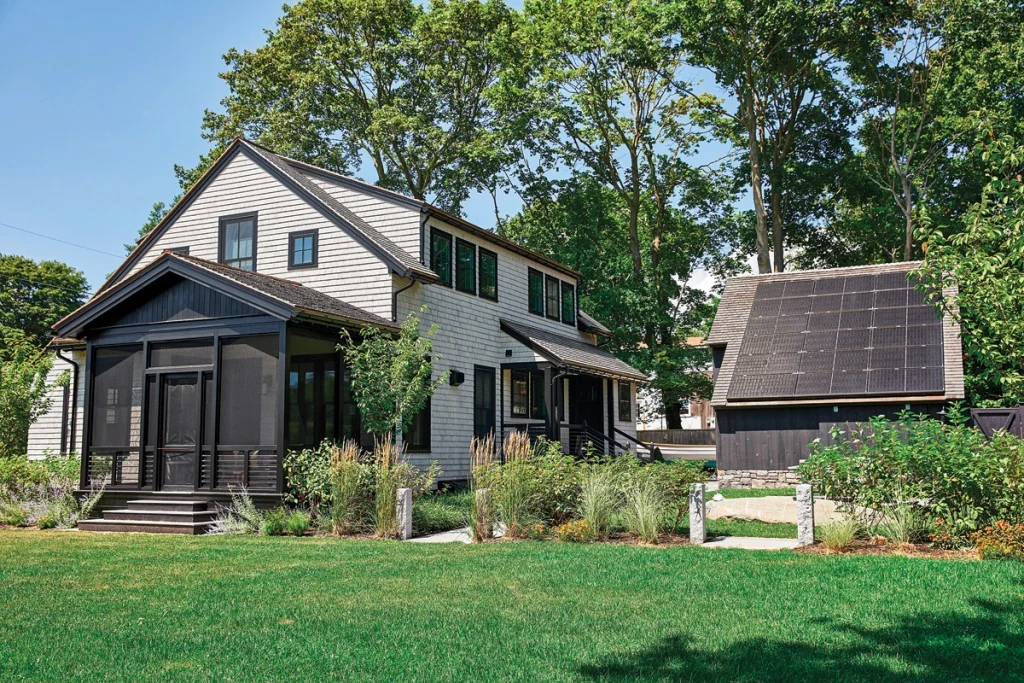
As the demand for sustainable living grows, smart lighting net-zero homes has become a key focus for homeowners and builders aiming to reduce energy consumption and carbon footprints. Intelligent lighting systems, powered by advanced sensors and automation, offer a practical pathway to achieving net-zero energy goals. By integrating these technologies, households can significantly cut electricity use, lower utility bills, and contribute to a greener future.
Net-zero homes are designed to produce as much energy as they consume over the course of a year, often through a combination of high-efficiency systems and renewable energy sources. Lighting, which can account for a substantial portion of household electricity use, represents a major opportunity for efficiency gains. This article explores how sensor-driven smart lighting solutions help optimize energy use, enhance comfort, and support the journey toward net-zero living.
For a deeper understanding of the broader technology landscape in sustainable housing, check out our guide on smart home technology for net-zero homes. These resources provide valuable context for how lighting fits into the overall efficiency strategy.
Understanding Net-Zero Homes and Lighting Efficiency
Net-zero homes are built or retrofitted to balance energy consumption with on-site renewable energy generation, such as solar panels. Achieving this balance requires careful attention to every aspect of energy use, including lighting. Traditional lighting systems often waste energy through unnecessary usage, outdated bulbs, and lack of control. In contrast, smart lighting leverages sensors and automation to ensure lights are used only when needed and at optimal brightness levels.
According to the basics of net-zero housing, lighting upgrades are among the most cost-effective steps toward energy neutrality. By combining LED technology with intelligent controls, homeowners can dramatically reduce lighting-related energy consumption without sacrificing comfort or convenience.
How Smart Lighting Systems Work in Sustainable Homes
Modern smart lighting systems use a combination of motion sensors, daylight sensors, timers, and wireless controls to automate illumination throughout the home. These systems can:
- Automatically turn lights on or off based on occupancy, reducing wasted energy in unoccupied rooms.
- Adjust brightness in response to available natural light, maintaining comfort while minimizing electricity use.
- Enable remote control and scheduling via smartphone apps, allowing users to optimize lighting patterns even when away from home.
- Integrate with broader home automation platforms for seamless energy management.
By implementing these features, smart lighting net-zero homes can achieve significant energy savings and support the overall goal of zero net energy consumption.
Key Benefits of Sensor-Based Lighting in Eco-Friendly Homes
Integrating sensor-driven lighting offers several advantages for energy-conscious households:
- Energy Savings: Automated controls ensure lights are only on when necessary, reducing overall electricity consumption.
- Improved Comfort: Adaptive lighting responds to occupants’ needs and natural daylight, creating a pleasant living environment.
- Lower Utility Bills: Reduced energy use translates to direct cost savings, helping offset the investment in smart technology.
- Enhanced Security: Motion-activated lights can deter intruders and provide safe navigation at night.
- Longer Bulb Lifespan: LEDs last longer when used efficiently, reducing replacement frequency and waste.
These benefits make sensor-based lighting a cornerstone of any strategy for achieving net-zero energy performance.
Choosing and Installing Smart Lighting Solutions
When selecting a smart lighting system for a sustainable home, consider the following factors:
- Compatibility: Ensure the system integrates with existing home automation platforms and other smart devices.
- Sensor Types: Look for occupancy, vacancy, and daylight sensors to maximize efficiency.
- Control Options: Choose systems that offer both manual and automated controls, as well as remote access via mobile apps.
- Energy Monitoring: Some advanced systems provide real-time feedback on energy use, helping homeowners fine-tune their settings.
Installation can range from simple plug-and-play bulbs to more complex wired systems. For those building or renovating, integrating smart lighting during construction allows for optimal placement of sensors and controls. Retrofitting existing homes is also possible, especially with wireless solutions that minimize disruption.
For a more comprehensive approach to energy management, explore our article on energy monitoring for net-zero homes, which covers tools and strategies for tracking and reducing overall consumption.

Integrating Lighting with Whole-Home Automation
For optimal results, smart lighting should be part of a broader home automation strategy. When connected with other systems—such as HVAC, security, and energy monitoring—lighting can respond dynamically to changing conditions and user preferences. For example, lights can dim automatically when the sun is shining, or turn off when the security system is armed.
To learn more about how automation enhances efficiency, see our resource on automation systems for net-zero houses. This integration not only maximizes energy savings but also simplifies daily routines and enhances the overall living experience.
Common Challenges and Solutions
While the benefits of smart lighting are clear, some homeowners encounter challenges during implementation:
- Upfront Costs: High-quality smart lighting systems can require a significant initial investment. However, the long-term savings on energy bills and maintenance often justify the expense.
- Compatibility Issues: Not all devices work seamlessly together. Researching compatibility and choosing systems with open standards can help avoid frustration.
- Learning Curve: New technology may require some adjustment. Most systems are designed for user-friendliness, and many offer customer support and tutorials.
Addressing these challenges early ensures a smoother transition to efficient, sensor-driven lighting in any eco-friendly home.
Frequently Asked Questions
How much energy can smart lighting save in a net-zero home?
Smart lighting systems can reduce lighting-related energy use by 30–60% compared to traditional setups, depending on occupancy patterns and the extent of automation. The savings contribute significantly to achieving net-zero energy goals.
Are smart lighting systems difficult to install in existing homes?
Many modern smart lighting solutions are designed for easy retrofitting. Wireless bulbs, switches, and sensors can often be installed without major electrical work, making them accessible for most homeowners.
Can smart lighting be integrated with other home automation systems?
Yes, most smart lighting platforms are compatible with broader home automation systems. Integration allows for coordinated energy management, improved comfort, and enhanced security features.
Conclusion
Adopting smart lighting net-zero homes strategies is a practical and effective way to reduce energy use, lower costs, and support environmental goals. By leveraging sensors, automation, and integration with other smart systems, homeowners can create comfortable, efficient, and future-ready living spaces. For those committed to sustainability, investing in intelligent lighting is a step that delivers both immediate and long-term benefits.
