
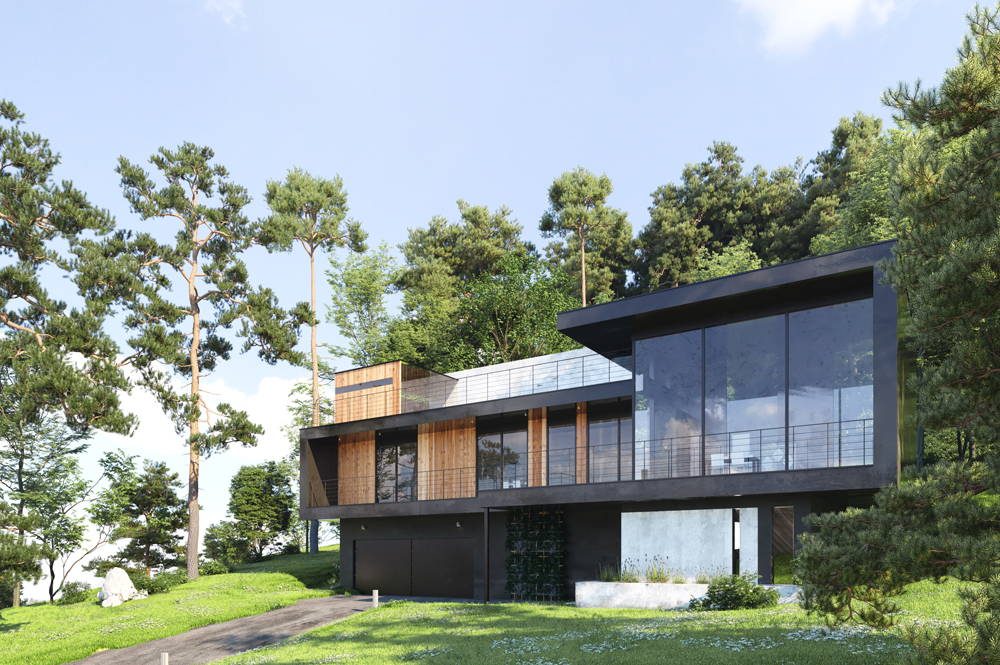
As the demand for sustainable living grows, smart home technology net-zero homes is becoming a key focus for homeowners, builders, and architects. Net-zero homes are designed to produce as much energy as they consume, resulting in a dramatically reduced carbon footprint and lower utility bills. By integrating advanced automation and connected systems, these homes maximize energy efficiency, comfort, and control. This article explores how integrated smart solutions are transforming the way net-zero residences function, offering practical insights for anyone interested in building or upgrading to a more sustainable home.
Before diving into the core technologies, it’s important to understand that achieving true net-zero performance requires careful planning, the right structural choices, and expert project management. For a deeper look at foundational aspects, see structural systems net-zero housing and project management net-zero construction for further reading.
Why Integrated Automation Matters in Sustainable Homes
Modern net-zero residences rely on a combination of energy-efficient building materials, renewable energy sources, and smart home technology to achieve their goals. Integration is crucial: isolated devices can only do so much, but when systems communicate and work together, the benefits multiply. For instance, smart thermostats, lighting, and appliances can be coordinated to reduce peak energy use, while real-time monitoring helps homeowners identify and address inefficiencies quickly.
One of the most common common mistakes net-zero construction projects face is overlooking the importance of seamless integration. Ensuring all devices and systems are compatible and centrally managed is essential for maximizing performance and ease of use.
Core Components of Smart Home Technology in Net-Zero Living
Let’s break down the essential elements that make up an integrated, energy-optimized home:
- Energy Management Systems (EMS): These platforms serve as the brain of the home, collecting data from solar panels, batteries, smart meters, and connected devices. EMS platforms allow homeowners to monitor energy generation and consumption in real time, automate load shifting, and optimize when to use stored or grid power.
- Smart Thermostats and HVAC Controls: Advanced climate control devices learn user preferences, adjust heating and cooling based on occupancy, and respond to weather forecasts. This not only ensures comfort but also reduces unnecessary energy use.
- Automated Lighting: Smart lighting systems use occupancy sensors, daylight harvesting, and scheduling to minimize electricity consumption without sacrificing illumination quality.
- Connected Appliances: Energy Star-rated appliances with smart features can be programmed to run during off-peak hours or when solar production is highest, further reducing reliance on the grid.
- Solar and Battery Integration: Solar panels paired with intelligent inverters and battery storage systems allow for greater energy independence. Smart controls ensure that excess solar energy is stored or used efficiently.

Optimizing Energy Use with Smart Monitoring
One of the most powerful aspects of smart home technology net-zero homes is the ability to track and analyze energy usage in detail. Smart meters and energy monitors provide instant feedback, helping residents spot trends, identify waste, and make informed decisions. For example, if a particular appliance is drawing more power than expected, it can be scheduled for maintenance or replaced with a more efficient model.
Thermal imaging cameras and advanced sensors can detect areas where heat is escaping or cold air is entering, allowing for targeted improvements in insulation and air sealing. This level of insight is invaluable for maintaining a truly efficient home and achieving net-zero status.
Automation for Comfort, Health, and Security
Beyond energy savings, integrated smart systems contribute to a healthier, safer, and more comfortable living environment. Automated ventilation and air quality monitors ensure fresh air circulation and optimal humidity, reducing allergens and pollutants. Smart locks, cameras, and alarm systems provide peace of mind, while leak detectors and remote water shut-off valves help prevent costly damage.
Lighting and shading controls can be programmed to mimic natural daylight cycles, supporting better sleep and overall well-being. Voice assistants and mobile apps make it easy to adjust settings from anywhere, giving homeowners complete control over their environment.
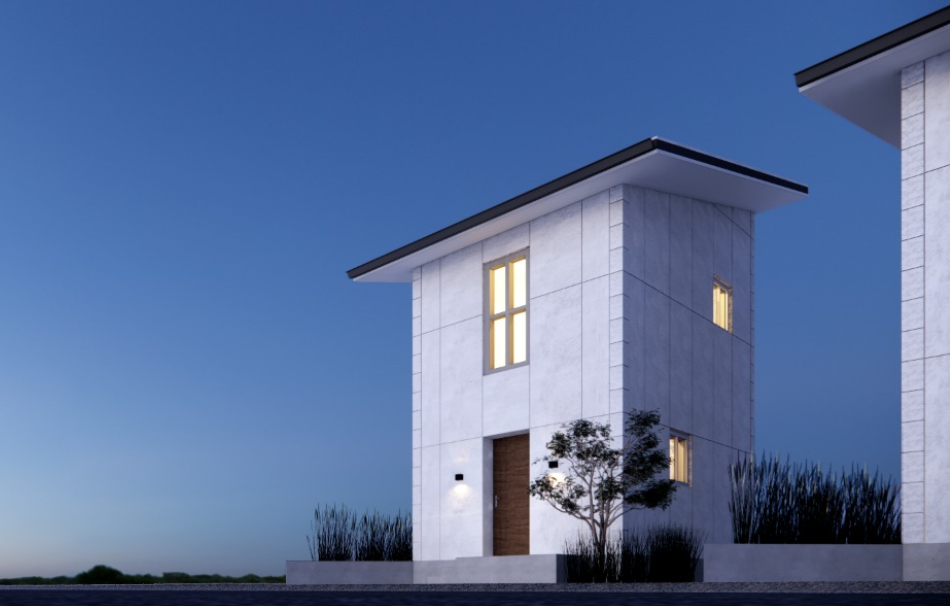
Design and Construction Considerations for Connected Net-Zero Homes
Integrating smart technology into a net-zero residence is most effective when planned from the start. Early collaboration with architects, builders, and technology specialists ensures that wiring, sensors, and control hubs are optimally placed. Retrofitting existing homes is possible, but may require additional investment and careful coordination.
When selecting products, prioritize open standards and interoperability. This ensures future upgrades and expansions can be carried out without major disruptions. For guidance on timelines and what to expect during the build, see construction timeline net-zero homes.
Choosing the Right Partners and Avoiding Pitfalls
Success with smart home technology net-zero homes depends on working with experienced professionals who understand both the construction and technology sides. Look for contractors and integrators with a track record in sustainable building and home automation. For tips on finding qualified experts, visit net-zero home contractor selection.
Be wary of overcomplicating your system. Focus on solutions that add real value, are easy to use, and can be maintained over time. Avoiding unnecessary complexity will help ensure your home remains efficient and user-friendly for years to come.
Resources for Getting Started
If you’re considering building or upgrading to a net-zero home with integrated smart systems, there are many resources available to help you plan and execute your project. A comprehensive overview of the process can be found in this step-by-step guide to building a net-zero home. This resource covers everything from site selection and design to technology choices and ongoing maintenance.
Staying informed about the latest trends and best practices will help you make decisions that balance sustainability, comfort, and return on investment.
FAQ
What is the main benefit of integrating smart home technology in a net-zero home?
The primary benefit is maximizing energy efficiency and comfort. By coordinating devices and systems, homeowners can reduce energy waste, automate routines, and monitor performance, making it easier to achieve and maintain net-zero status.
Can existing homes be upgraded to net-zero with smart technology?
Yes, many existing homes can be retrofitted with smart systems and energy upgrades. However, the process may be more complex than starting from scratch, especially when it comes to wiring and integrating older appliances. Consulting with experienced professionals is recommended for best results.
How do I ensure my smart devices will work together in the future?
Choose products that support open standards and are compatible with popular home automation platforms. This approach allows for greater flexibility and easier upgrades as technology evolves.
