
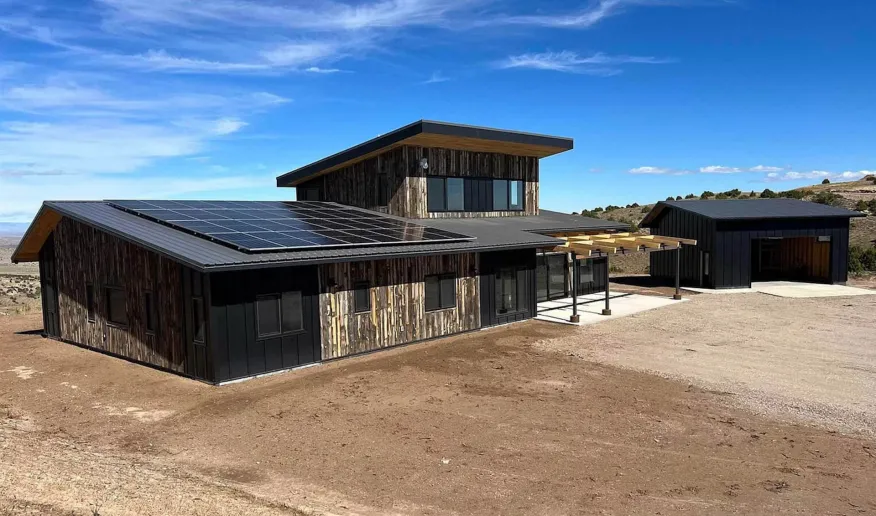
Building a net-zero home is an exciting journey for homeowners who want to reduce their environmental impact and achieve long-term energy savings. Understanding the construction timeline for net-zero homes helps set realistic expectations, plan budgets, and coordinate with contractors. This article breaks down each stage, highlights unique considerations, and offers practical tips for a smooth process from planning to move-in.
Before diving into the phases, it’s helpful to explore related resources such as the net-zero home contractor selection guide, which can help you find the right experts for your project. Having the right team in place is essential for staying on schedule and meeting your sustainability goals.
Overview of the Net-Zero Home Building Process
The process of constructing a net-zero residence follows many of the same steps as conventional homebuilding, but with additional focus on energy efficiency, airtightness, and renewable energy systems. The construction timeline for net-zero homes typically includes:
- Initial planning and design
- Site preparation and foundation work
- Framing and building envelope
- Mechanical, electrical, and plumbing (MEP) installations
- Insulation and air sealing
- Renewable energy system integration
- Interior finishes and final inspections
Each phase has unique requirements to ensure the home meets net-zero standards. Let’s look at each stage in detail.
Planning and Design: Laying the Groundwork
The first step is a thorough planning phase, which can take several weeks to a few months depending on your goals and the complexity of your project. During this time, you’ll work with architects and energy consultants to:
- Define energy performance targets
- Choose a site with optimal solar orientation (see the site selection net-zero homes guide for more details)
- Develop architectural plans that maximize efficiency
- Select materials and systems that align with net-zero objectives
Permitting and approvals are also handled during this phase. It’s important to allow time for revisions and coordination with local authorities. For a deeper dive into this stage, the planning phase net-zero construction article offers step-by-step guidance.
Site Preparation and Foundation Work
Once plans are finalized and permits secured, site preparation begins. This includes clearing the lot, grading, and laying the foundation. For net-zero homes, foundation insulation and moisture management are critical to prevent energy loss and maintain indoor air quality. This phase usually takes 2–4 weeks, depending on weather and site conditions.
Framing and Building Envelope: Key to Efficiency
The framing stage involves constructing the home’s skeleton and installing exterior walls, roof trusses, and windows. Net-zero projects often use advanced framing techniques and high-performance windows to minimize thermal bridging. Creating a tight building envelope is essential for reducing heat loss and drafts.
During this phase, builders pay special attention to air sealing and vapor barriers. The choice of materials and installation quality can have a lasting impact on the home’s energy use. This step typically takes 4–8 weeks, depending on the home’s size and complexity.
Mechanical, Electrical, and Plumbing (MEP) Installations
After the structure is up, it’s time to install the home’s mechanical systems. In net-zero construction, this phase is especially important because:
- Heating and cooling systems are typically high-efficiency heat pumps
- Ventilation is carefully designed for healthy indoor air
- Electrical systems are sized for future solar integration
- Plumbing may include heat pump water heaters or solar thermal systems
Coordination among trades is vital to avoid gaps in insulation or air barriers. This stage usually takes 3–6 weeks.
For a comprehensive look at the entire process, the net-zero home construction process guide provides a detailed roadmap from start to finish.
Insulation, Air Sealing, and Energy Testing
Proper insulation and airtightness are the backbone of net-zero performance. Builders use advanced insulation materials and techniques to achieve high R-values. After installation, a blower door test is often performed to measure air leakage and identify areas for improvement.
Thermal imaging cameras can help spot hidden leaks or insulation gaps, ensuring the home meets strict energy standards. This phase takes 1–2 weeks, but may require additional time if retesting or corrections are needed.
Renewable Energy System Integration
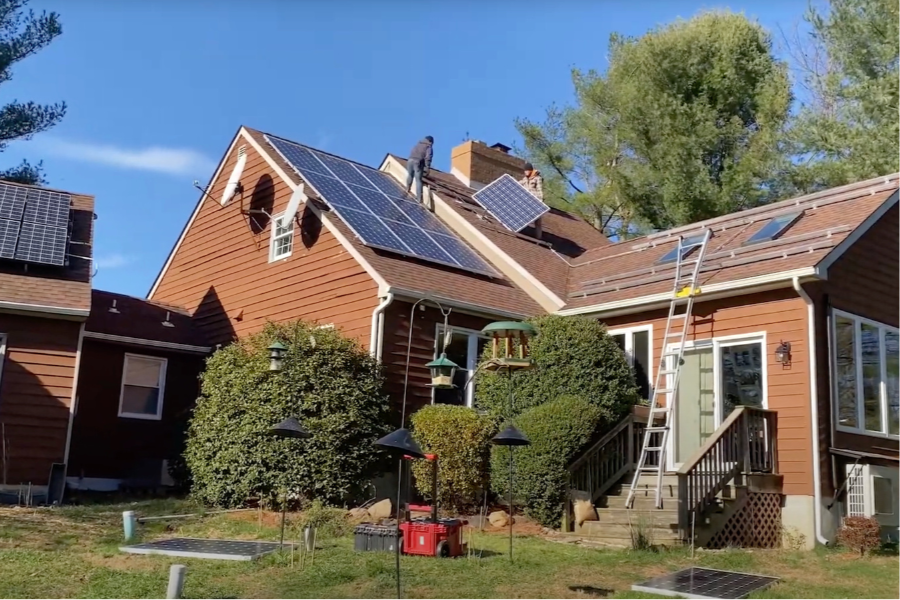
One of the defining features of a net-zero home is the integration of renewable energy, usually solar photovoltaic (PV) panels. This step involves:
- Mounting solar panels on the roof or ground
- Connecting inverters and battery storage (if included)
- Commissioning the system and ensuring it meets design targets
Depending on system size and weather, installation can take 1–3 weeks. For more on how to achieve a net-zero balance, see this practical guide to making your home net-zero.
Interior Finishes and Final Inspections
With the structure and systems in place, the focus shifts to interior finishes—drywall, flooring, cabinetry, and painting. During this phase, attention to detail is important to avoid compromising the building envelope. Final inspections ensure all systems are working as intended and the home meets energy performance targets.
Once the home passes inspection, you can move in and begin enjoying the benefits of net-zero living. The entire process, from planning to completion, usually takes 8–14 months, depending on project size, weather, and contractor availability.
Factors That Affect the Timeline
Several variables can influence how long it takes to build a net-zero home:
- Design complexity: Custom features or advanced systems may require more time.
- Weather conditions: Rain, snow, or extreme temperatures can delay construction.
- Material availability: Sourcing high-performance materials or specialized equipment may add weeks.
- Contractor experience: Teams familiar with net-zero standards can streamline the process.
- Permitting and inspections: Local requirements and scheduling can impact the overall timeline.
Working with experienced professionals and maintaining clear communication helps minimize delays and ensures your project stays on track.
Tips for Staying on Schedule
- Start planning early and finalize decisions before construction begins.
- Choose a builder with a proven track record in net-zero projects.
- Order specialized materials and equipment well in advance.
- Schedule regular site meetings to address issues quickly.
- Monitor progress using energy monitoring tools to verify system performance.
For a practical checklist, see the steps to build net-zero home article, which outlines essential actions for a successful build.
Frequently Asked Questions
How long does it take to build a net-zero home?
The average timeline for constructing a net-zero home ranges from 8 to 14 months. Factors such as design complexity, weather, and contractor experience can influence the duration.
What makes the construction process different from a standard home?
Net-zero homes require additional steps for energy modeling, airtightness, advanced insulation, and renewable energy integration. These steps add complexity but are essential for achieving zero energy balance.
Can I retrofit an existing home to be net-zero?
Yes, many existing homes can be upgraded to net-zero with improvements to insulation, air sealing, high-efficiency systems, and solar panels. The process and timeline will differ from new construction, and may require phased upgrades.
Understanding the construction timeline for net-zero homes allows homeowners to plan effectively and set realistic expectations. With careful preparation and the right team, you can achieve a comfortable, efficient, and environmentally friendly home that stands the test of time.
