
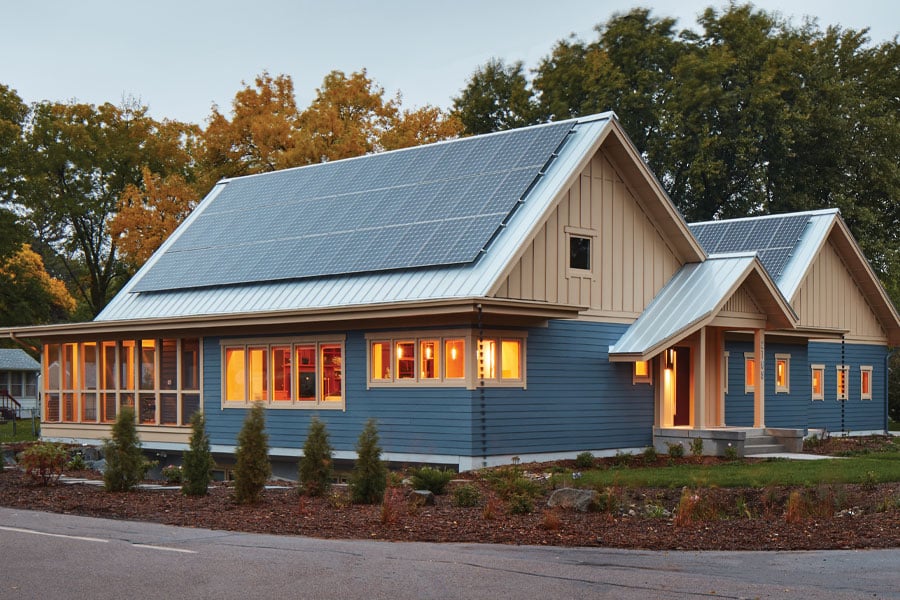
Choosing the right location is a foundational step in building a net-zero home. The process of site selection impacts everything from energy efficiency to long-term comfort and sustainability. This guide explores how to evaluate and select a lot that supports your goal of achieving net-zero energy performance, highlighting key considerations, practical tips, and essential resources for homeowners, builders, and developers.
Understanding the nuances of land orientation, local climate, infrastructure, and regulatory requirements can make the difference between a home that truly achieves net-zero status and one that falls short. Before diving into the details, it’s helpful to familiarize yourself with international net-zero building standards to ensure your project aligns with global best practices.
Why Lot Selection Matters for Net-Zero Projects
The land you choose is more than just a backdrop for your home—it’s a critical factor in achieving net-zero energy goals. The right lot can reduce your reliance on mechanical heating and cooling, maximize solar gain, and minimize environmental impact. Poor site selection can lead to higher construction costs, regulatory headaches, and ongoing energy challenges.
Key reasons why lot selection is vital for net-zero construction:
- Solar Access: Maximizing exposure to sunlight is essential for passive solar design and photovoltaic systems.
- Microclimate: Local weather patterns, wind exposure, and shading from trees or buildings all influence energy needs.
- Regulatory Compliance: Zoning laws and building codes may affect your ability to install renewable energy systems or use certain materials.
- Infrastructure: Access to utilities, roads, and public transportation can impact both sustainability and convenience.
Evaluating Orientation and Solar Potential
One of the first steps in the site selection net-zero homes guide is to assess how the lot’s orientation will affect solar gain. Ideally, the building site should allow for the main living spaces and roof to face south (in the Northern Hemisphere) to capture the most sunlight throughout the year.
Considerations for maximizing solar potential:
- Look for lots with minimal obstructions to the south, such as tall buildings or dense tree cover.
- Assess the slope of the land—gentle south-facing slopes are ideal for solar access.
- Use solar pathfinder tools or consult with a solar professional to analyze year-round sunlight exposure.
For more details on energy efficiency requirements, see the Energy Star net-zero homes requirements guide.
Assessing Local Climate and Microclimate
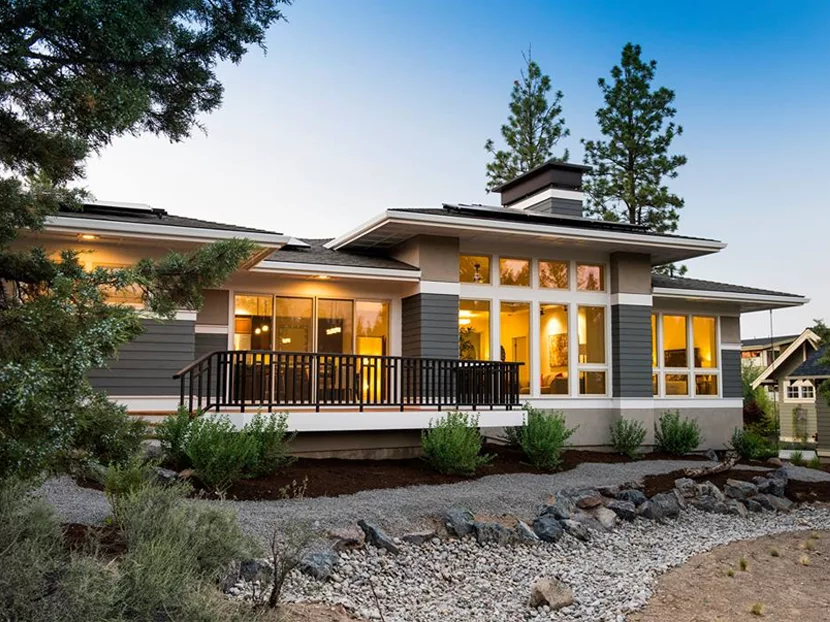
Every site has unique climate characteristics that influence building performance. Understanding these factors helps you design a home that leverages natural resources and minimizes energy use.
- Prevailing Winds: Identify dominant wind directions to plan for natural ventilation or windbreaks.
- Temperature Extremes: Consider how seasonal highs and lows will affect heating and cooling loads.
- Humidity and Precipitation: Evaluate drainage, flood risk, and moisture management needs.
- Vegetation: Existing trees can provide shade in summer and wind protection in winter, but may also block solar panels.
Consulting local weather data and using site-specific modeling tools can provide valuable insights for your design team.
Infrastructure, Utilities, and Access
While energy performance is a top priority, practical considerations like access to utilities and transportation also play a role in sustainable site selection. A well-connected lot can reduce the need for extensive infrastructure work and support a lower-carbon lifestyle.
- Check for existing connections to water, sewer, electricity, and natural gas (if needed).
- Evaluate proximity to public transit, schools, and essential services.
- Consider the impact of new driveways or roads on the landscape and local ecosystem.
For a broader look at how green building certifications can influence your choices, review the green building certifications explained resource.

Regulations, Zoning, and Environmental Restrictions
Before purchasing land, research local regulations that may affect your project. Some areas have strict zoning laws, design guidelines, or environmental restrictions that can limit your options for building a net-zero home.
- Check setback requirements, building height limits, and allowable lot coverage.
- Investigate rules for solar panel installation, wind turbines, and rainwater harvesting.
- Look for any protected habitats, wetlands, or flood zones on or near the property.
- Consult with local planning departments or a land use attorney if you have questions about compliance.
Staying informed about regulations can help you avoid costly delays and ensure your project meets all legal requirements. For more on compliance, see the net-zero construction compliance guide.
Soil, Drainage, and Site Preparation
The physical characteristics of your lot will influence both construction costs and long-term performance. Conducting a thorough site analysis before purchase can reveal potential challenges and opportunities.
- Soil Testing: Ensure the soil can support your foundation and is suitable for septic systems if needed.
- Drainage: Assess how water moves across the site to prevent flooding and erosion.
- Topography: Steep slopes may require retaining walls or special engineering, while flat lots can simplify construction.
- Vegetation and Wildlife: Identify any protected species or habitats that may require conservation measures.
Addressing these factors early can help you budget accurately and avoid surprises during construction.
Community, Amenities, and Long-Term Value
Beyond technical considerations, think about the broader context of your lot. A sustainable home should also support a healthy, connected lifestyle.
- Evaluate the walkability of the neighborhood and access to parks, shops, and services.
- Consider the community’s commitment to sustainability—are there local incentives or support for green building?
- Think about resale value and how the location may appeal to future buyers interested in energy-efficient homes.
For a comprehensive overview of sustainability metrics, the sustainability rating systems homes article offers valuable insights.
Resources and Next Steps
Once you’ve identified a promising lot, work with professionals experienced in net-zero design to conduct a detailed site analysis. Tools like energy modeling software, solar pathfinders, and thermal imaging cameras can help optimize your plans. You can also explore educational resources such as the basics of net-zero housing for a deeper understanding of design principles and construction strategies.
Remember, successful site selection is a blend of technical analysis, regulatory research, and personal priorities. Taking the time to evaluate each aspect will set the stage for a truly sustainable and comfortable home.
Frequently Asked Questions
What Is the Most Important Factor in Choosing a Lot for a Net-Zero Home?
Solar access is often the most critical element, as it directly affects your ability to generate renewable energy and utilize passive solar design. However, climate, zoning, and infrastructure are also essential to consider.
How Can I Assess a Lot’s Suitability for Net-Zero Construction?
Start by evaluating the orientation, shading, and slope for solar potential. Review local climate data, check for utility access, and research zoning or environmental restrictions. Consulting with a net-zero design professional can provide a comprehensive assessment.
Are There Incentives for Building Net-Zero Homes?
Many regions offer incentives such as tax credits, rebates, or expedited permitting for energy-efficient construction. Check with your local government and utility providers for available programs.
