
As the demand for sustainable buildings continues to grow, understanding how to achieve and maintain compliance with net-zero construction standards is more important than ever. Builders, architects, and homeowners are increasingly required to meet stringent energy efficiency and emissions benchmarks. This net-zero construction compliance guide provides a clear roadmap for navigating the complexities of modern building requirements, helping you stay ahead of evolving codes and certification processes.
Whether you’re planning a new project or upgrading an existing property, aligning your construction practices with net-zero principles not only future-proofs your investment but also contributes to a healthier environment. By focusing on energy efficiency, renewable energy integration, and robust documentation, you can ensure your project meets or exceeds current expectations for sustainable construction.
For those seeking a deeper dive into the regulatory landscape, the building codes net-zero homes article offers a comprehensive look at code requirements and safety considerations. Understanding these foundational elements is crucial before tackling the specific steps outlined in this guide.
Understanding Net-Zero Construction Requirements
Net-zero buildings are designed to produce as much energy as they consume over the course of a year. Achieving this balance requires careful planning, advanced materials, and a holistic approach to design and construction. The main pillars of compliance include:
- Energy Efficiency: Minimizing energy demand through insulation, airtightness, and efficient systems.
- Renewable Energy: Incorporating solar panels, geothermal systems, or other renewable sources to offset consumption.
- Performance Verification: Using third-party testing and documentation to prove that the building meets net-zero targets.
Staying compliant means keeping up with evolving standards and certifications. For a detailed overview of the various certifications available, see net-zero home certification standards for a breakdown of what’s required by different programs.
Key Steps for Net-Zero Construction Compliance
Meeting the latest standards involves a combination of smart design, quality materials, and thorough documentation. Here are the essential steps:
1. Integrated Design and Planning
Start by assembling a team that includes architects, engineers, and energy consultants. Early collaboration ensures that energy goals are embedded in every phase of the project. Use energy modeling software to predict performance and identify cost-effective solutions.
2. High-Performance Building Envelope
The building envelope—walls, roof, windows, and doors—plays a critical role in minimizing energy loss. Focus on:
- Continuous insulation with high R-values
- Triple-glazed, low-emissivity windows
- Advanced air sealing techniques
Thermal imaging cameras are invaluable for detecting leaks and ensuring airtightness, making it easier to meet compliance targets.
3. Efficient Mechanical Systems
Heating, cooling, and ventilation systems should be selected for maximum efficiency. Consider:
- Heat pumps for both space and water heating
- Energy recovery ventilators (ERVs) for fresh air with minimal heat loss
- Smart thermostats and controls for optimized operation
Monitoring energy use with advanced tools can help maintain performance and identify areas for improvement.
4. Renewable Energy Integration
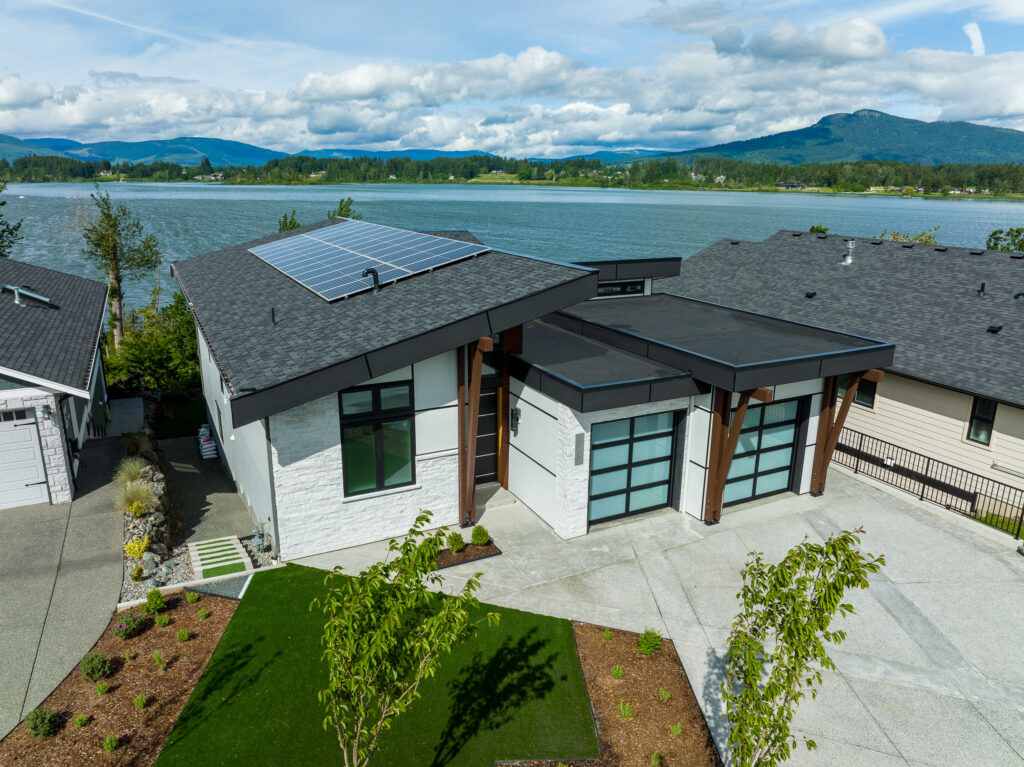
To offset remaining energy needs, install renewable systems such as photovoltaic panels or geothermal heat pumps. Proper sizing and placement are essential for maximizing output. Many net-zero projects also incorporate battery storage to increase resilience and reduce reliance on the grid.
5. Documentation and Verification
Compliance is not just about design—it’s about proof. Document every stage of the process, from material selection to final testing. Third-party verification, such as blower door tests and energy modeling, is often required for certification. For a step-by-step overview of the process, refer to the net-zero energy certification process resource.
Staying Up to Date with Modern Standards
Regulations and best practices for sustainable construction are evolving rapidly. Staying informed about the latest requirements is crucial for ongoing compliance and long-term building performance. Key areas to monitor include:
- Updates to national and local building codes
- Changes in certification criteria (such as LEED, PHIUS, and others)
- Emerging technologies for energy efficiency and renewable energy
For a comparison of leading sustainability frameworks, the LEED net-zero homes explained article provides valuable insights into how different standards stack up.
Common Challenges and How to Overcome Them
Achieving compliance with net-zero standards can present several challenges. Some of the most common include:
- Cost Management: Upfront investments in high-performance materials and systems can be significant. However, long-term energy savings and incentives can offset these costs.
- Technical Complexity: Integrating advanced technologies requires specialized knowledge. Partnering with experienced professionals and using tools like energy monitors and thermal cameras can simplify the process.
- Changing Regulations: As standards evolve, staying compliant means ongoing education and adaptation.
For builders and homeowners looking for practical examples and case studies, the net-zero homes blog by McPhee Associates provides real-world insights and lessons learned from completed projects.
Comparing Net-Zero and Passive House Approaches
While both net-zero and Passive House standards aim to minimize energy use, their approaches and compliance requirements differ. Passive House focuses on extreme energy efficiency, while net-zero emphasizes balancing energy consumption with on-site renewable production. For a detailed comparison, see the PHIUS passive house net-zero comparison article, which outlines the pros and cons of each approach.
Frequently Asked Questions
What is the difference between net-zero and zero energy ready homes?
Net-zero homes generate as much energy as they consume annually, typically through on-site renewables. Zero energy ready homes are built to the same efficiency standards but may not include renewable energy systems at the outset. These homes are designed to easily accommodate future renewable installations.
How do I verify that my building meets net-zero standards?
Verification involves third-party testing, such as blower door tests for airtightness and energy modeling to confirm performance. Documentation of materials, systems, and renewable installations is also required. Certification bodies may require periodic re-testing to maintain compliance.
Are there incentives for building to net-zero standards?
Many regions offer financial incentives, rebates, or tax credits for projects that achieve net-zero or similar high-performance standards. These incentives can help offset the initial investment in energy-efficient materials and renewable energy systems. Check with local authorities and utility providers for current programs.
Staying informed and proactive is the key to successful compliance with modern sustainable building standards. By following the steps and leveraging the resources outlined in this guide, you can ensure your project is both environmentally responsible and future-ready.
