
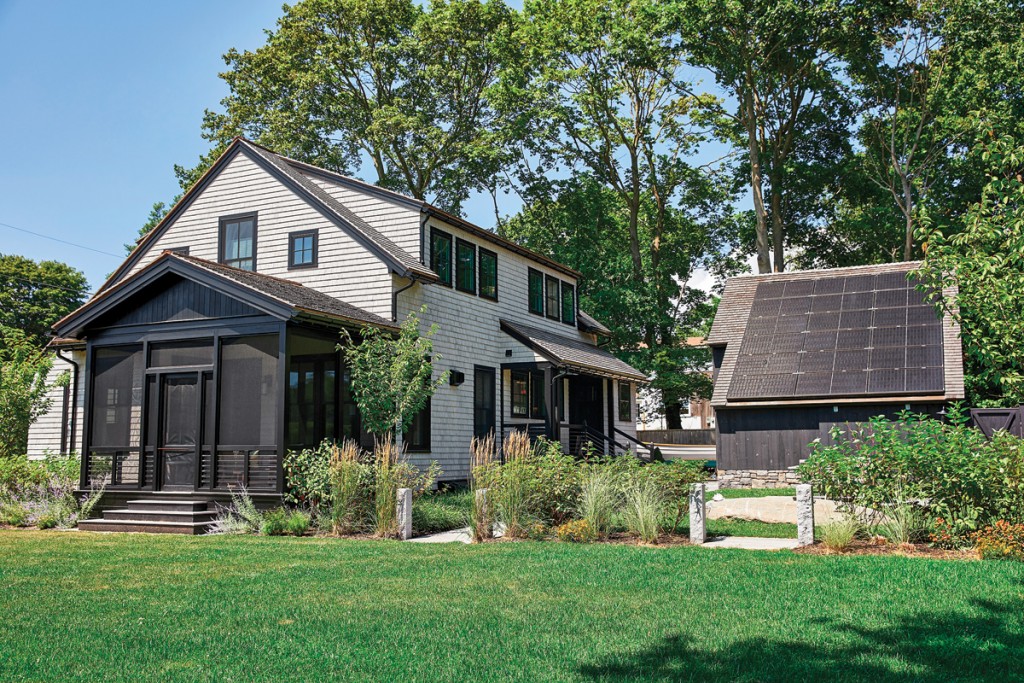
Achieving net-zero energy certification is a significant milestone for any building project aiming to minimize its environmental impact. This process demonstrates that a home or commercial structure produces as much renewable energy as it consumes annually, resulting in a net-zero energy footprint. As interest in sustainable construction grows, more property owners and developers are seeking to understand the steps required to earn this respected designation.
Whether you are a homeowner, builder, or architect, navigating the certification journey can seem complex. This article breaks down the essential stages, requirements, and best practices for obtaining net-zero energy credentials. Along the way, you’ll find practical tips, key resources, and answers to common questions about the process.
For those interested in the health benefits of green construction, improving indoor air quality in net-zero homes is an important consideration that complements the certification journey.
Understanding the Net-Zero Energy Certification Process
The path to certification involves meeting strict standards around energy efficiency and renewable energy generation. Several organizations offer recognized programs, each with its own criteria and verification steps. However, the core principles remain consistent: reduce energy demand, maximize on-site renewable energy, and verify performance through third-party assessment.
Key certifying bodies include:
- International Living Future Institute (ILFI) – Zero Energy Certification
- U.S. Department of Energy (DOE) Zero Energy Ready Home
- Passive House Institute US (PHIUS) – PHIUS+ Source Zero
- Canada’s Net Zero Home Labelling Program
Each program emphasizes a balance of energy efficiency, renewable energy integration, and performance validation. Before starting, review the specific requirements of your chosen certification to ensure your project aligns with their standards.
Key Steps to Achieve Net-Zero Energy Status
While the details vary by certifier, the net-zero energy certification process generally follows these stages:
-
Pre-Design Planning
Begin by assembling a team with experience in sustainable design, energy modeling, and renewable energy systems. Early planning is critical to integrate energy goals into every aspect of the project. -
Energy Modeling and Design Optimization
Use advanced energy modeling tools to simulate building performance. This helps identify opportunities to reduce energy loads through insulation, air sealing, efficient HVAC, and smart controls. For more on optimizing climate systems, see climate control for net-zero housing. -
Incorporating Renewable Energy
Select and size on-site renewable systems—typically solar photovoltaic (PV)—to offset the building’s annual energy consumption. The design should account for local climate, roof orientation, and shading. -
Construction and Quality Assurance
During construction, ensure all energy-saving measures are installed as designed. Quality assurance includes blower door tests, duct leakage testing, and thermal imaging to confirm airtightness and insulation integrity. -
Performance Verification and Documentation
After occupancy, monitor energy use and renewable generation for at least 12 months. Submit documentation—such as utility bills, system specs, and test results—to the certifying body for third-party review. -
Certification and Ongoing Monitoring
Once verified, the project receives official recognition. Ongoing monitoring ensures continued performance and can inform future improvements.
Documentation and Verification Requirements
Successful certification depends on thorough documentation and independent verification. Typical requirements include:
- Detailed energy models and design reports
- Construction photos and installation records
- Commissioning reports for HVAC and renewable systems
- Utility data showing annual energy balance
- Third-party testing results (e.g., blower door, duct leakage)
Some programs may require additional documentation, such as occupant education materials or maintenance plans. It’s essential to keep organized records from the start to streamline the review process.
Common Challenges and How to Overcome Them
Many projects encounter hurdles on the path to certification. Here are some frequent challenges and strategies to address them:
- Budget Constraints: High-performance materials and renewable systems can increase upfront costs. Seek incentives, rebates, and financing options to offset expenses. Prioritize measures with the greatest impact on energy use.
- Technical Complexity: Integrating advanced systems requires specialized expertise. Work with experienced professionals and use proven modeling tools to avoid costly errors.
- Verification Delays: Gathering documentation and scheduling third-party assessments can extend timelines. Maintain organized records and communicate regularly with certifiers to keep the process moving.
For more insights on comfort and efficiency, consider exploring radiant floor heating for net-zero homes as part of your design strategy.
Benefits of Net-Zero Energy Certification
Beyond environmental stewardship, certification offers tangible advantages:
- Lower Utility Bills: On-site renewable energy dramatically reduces or eliminates monthly energy costs.
- Market Value: Certified properties often command higher resale values and attract eco-conscious buyers or tenants.
- Health and Comfort: Superior insulation, ventilation, and air quality contribute to a healthier indoor environment. Learn more about ventilation strategies for net-zero homes to optimize occupant well-being.
- Resilience: Energy-efficient buildings are better equipped to handle power outages and extreme weather.
- Recognition: Certification provides third-party validation of your sustainability achievements.
Choosing the Right Certification Program
With several programs available, it’s important to select one that matches your project’s goals, location, and budget. For a comprehensive overview of the fundamentals, see this guide to the basics of net-zero housing.
Consider the following when choosing a certifier:
- Geographic applicability and recognition
- Program requirements and rigor
- Cost of certification and ongoing compliance
- Support and resources for project teams
Consult with your design and construction team to review the pros and cons of each option before making a decision.

Integrating Smart Technology for Ongoing Performance
Maintaining net-zero status requires ongoing attention to energy use and system performance. Smart home technologies, such as advanced thermostats and energy monitors, can help track consumption and identify opportunities for further savings. Explore the benefits of smart thermostats for net-zero homes to keep your building operating efficiently year-round.
Frequently Asked Questions
How long does it take to complete the net-zero energy certification process?
The timeline varies depending on the certifying body, project complexity, and readiness of documentation. Most projects require at least 12 months of post-occupancy energy data, so the entire process can take 18–24 months from design to certification.
Can existing buildings become net-zero certified?
Yes, existing buildings can pursue certification by upgrading insulation, windows, HVAC, and adding renewable energy systems. The process may involve additional steps to address legacy issues, but many programs offer pathways for retrofits.
What are the main costs associated with certification?
Costs include design and modeling fees, third-party verification, certification application fees, and the expense of high-performance materials and renewable systems. However, long-term energy savings and increased property value often offset these investments.
Conclusion
Securing net-zero credentials is a rigorous but rewarding process that signals leadership in sustainable building. By following the outlined steps—planning, modeling, construction, verification, and ongoing monitoring—you can achieve a building that meets the highest standards for energy performance. With careful preparation and the right team, your project can join the growing movement toward a more sustainable future.
