
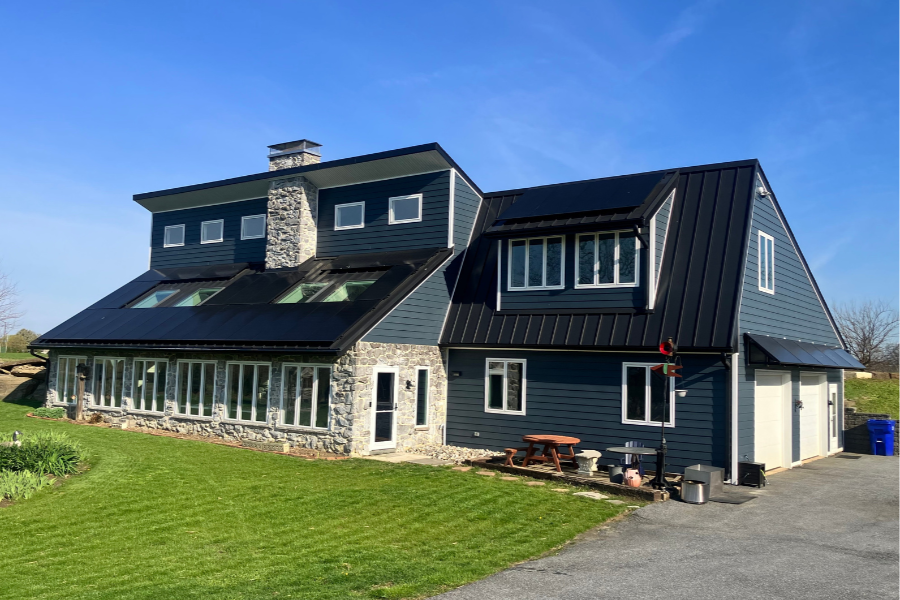
Creating a net-zero home is a major step toward sustainability, but achieving energy efficiency is only part of the equation. The quality of the air inside these tightly sealed environments plays a crucial role in the health and comfort of everyone living there. As more homeowners embrace net-zero construction, understanding how to maintain indoor air quality in net-zero homes becomes essential for both wellness and long-term building performance.
Unlike traditional houses, net-zero residences are designed to minimize energy loss, often resulting in airtight envelopes. While this approach boosts efficiency, it can also trap pollutants, allergens, and moisture indoors if not managed correctly. Fortunately, there are practical strategies and technologies that can help ensure the air you breathe is as clean and healthy as possible.
For those interested in optimizing both comfort and efficiency, exploring advanced HVAC systems for net-zero homes can provide additional insights into climate control and air management.
Why Air Quality Matters in Energy-Efficient Homes
Net-zero buildings are engineered to minimize energy use through high-performance insulation, air sealing, and efficient mechanical systems. However, this tight construction means that natural ventilation is limited, making it easier for indoor air pollutants to accumulate. Common contaminants include:
- Volatile organic compounds (VOCs) from paints, finishes, and cleaning products
- Dust, pollen, and pet dander
- Moisture leading to mold and mildew
- Carbon dioxide and other combustion byproducts
Without adequate ventilation and filtration, these substances can impact respiratory health, trigger allergies, and reduce overall comfort. Prioritizing air quality in net-zero homes is not just about comfort—it’s about safeguarding your family’s well-being.
Key Strategies for Maintaining Healthy Air Indoors
There are several effective ways to keep the air in your high-efficiency home fresh and clean. Here are some of the most important approaches:
1. Mechanical Ventilation Systems
Since opening windows is not always practical or energy-efficient, mechanical ventilation becomes essential. Systems like heat recovery ventilators (HRVs) and energy recovery ventilators (ERVs) exchange stale indoor air with filtered outdoor air while minimizing heat loss or gain. These systems help control humidity, remove contaminants, and maintain a balanced indoor environment.
2. High-Efficiency Filtration
Modern HVAC systems in net-zero buildings often include advanced filtration options. Look for filters with a high MERV (Minimum Efficiency Reporting Value) rating, which can capture fine particles such as pollen, dust mites, and even some bacteria. Regularly replacing or cleaning filters is crucial to maintaining optimal performance.
3. Source Control and Low-Emission Materials
One of the best ways to prevent indoor air pollution is to limit the introduction of contaminants in the first place. Choose low-VOC paints, sealants, and furnishings, and avoid products that emit harmful chemicals. Store cleaning supplies and solvents in sealed containers and use exhaust fans when cooking or bathing to reduce moisture and odors.

4. Humidity Management
Maintaining the right humidity level—ideally between 30% and 50%—is vital for both comfort and health. Excess moisture can encourage mold growth, while air that’s too dry can irritate respiratory passages. Dehumidifiers, humidifiers, and smart ventilation controls can help keep humidity in check year-round.
5. Regular Maintenance and Monitoring
Even the best systems require ongoing care. Schedule routine inspections of your ventilation and filtration equipment, and consider installing air quality monitors to track levels of CO2, particulates, and humidity. These devices can alert you to potential problems before they impact your health.
Design Choices That Support Clean Air
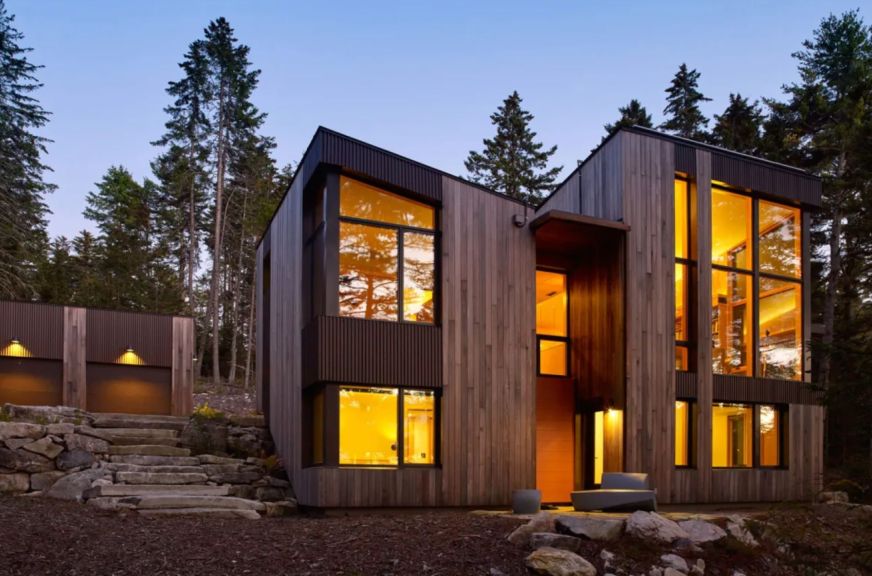
Thoughtful design decisions during the planning and construction phases can make a significant difference in long-term air quality. For example, orienting living spaces to maximize natural light and airflow, specifying non-toxic building materials, and integrating smart home technology all contribute to a healthier indoor environment.
When selecting insulation, flooring, and cabinetry, opt for products certified by reputable organizations for low emissions. Builders and architects specializing in net-zero energy home designs can recommend materials and layouts that enhance both efficiency and air purity.
Smart Technology for Air Quality Management
Today’s smart home devices make it easier than ever to monitor and adjust indoor conditions. Air quality sensors can track pollutants in real time, while integrated HVAC controls automatically adjust ventilation and filtration based on occupancy and air quality readings. These tools not only improve comfort but also help maintain the energy savings that net-zero homes are known for.
Thermal imaging cameras and smart energy monitors can also help identify areas where insulation or air sealing may be compromised, allowing for targeted improvements that benefit both efficiency and air quality. For more on keeping your home comfortable and efficient, see the cooling systems net-zero homes guide.
Everyday Habits for Cleaner Indoor Air
Beyond technology and design, daily routines play a significant role in maintaining a healthy indoor environment. Consider these practical tips:
- Open windows periodically when outdoor conditions allow, especially after cooking or cleaning
- Use exhaust fans in kitchens and bathrooms
- Keep shoes and outdoor gear near entryways to reduce tracked-in pollutants
- Regularly clean floors, carpets, and upholstery to remove dust and allergens
- Choose houseplants that help filter indoor air (but be mindful of humidity and allergies)
Simple habits, combined with smart systems, can make a noticeable difference in how fresh your home feels.
Frequently Asked Questions
What are the main sources of indoor air pollution in net-zero homes?
Common sources include off-gassing from building materials and furnishings, household cleaning products, moisture leading to mold, and inadequate ventilation. Because these homes are tightly sealed, pollutants can accumulate more quickly than in traditional buildings.
How often should filters and ventilation systems be serviced?
Filters should be checked monthly and replaced or cleaned as recommended by the manufacturer, typically every 3–6 months. Mechanical ventilation systems should be inspected at least once a year to ensure optimal operation and air quality.
Is it possible to retrofit an existing home for better air quality and energy efficiency?
Yes, many existing homes can be upgraded with better insulation, air sealing, and modern ventilation systems. Adding high-efficiency HVAC components and smart air quality monitors can significantly improve both energy performance and indoor air purity.
Conclusion
Maintaining indoor air quality in net-zero homes is essential for a healthy, comfortable living environment. By combining smart design, advanced ventilation, effective filtration, and mindful daily habits, homeowners can enjoy the benefits of energy efficiency without compromising on wellness. For those planning a new build or renovation, consulting with experts in high efficiency HVAC for net-zero homes and sustainable design can help ensure your home supports both your health and your sustainability goals.
