

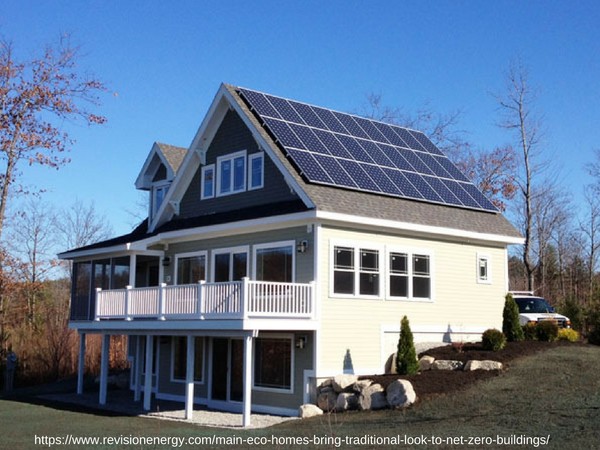
Net-zero homes are designed to produce as much energy as they consume, making them a cornerstone of sustainable living. However, achieving true efficiency goes beyond energy generation and insulation. One of the most overlooked but vital components is heat recovery ventilation (HRV). This technology ensures that while homes remain airtight for energy savings, they also maintain healthy indoor air quality. In this guide, we’ll explore how HRV systems contribute to cleaner air and greater comfort in ultra-efficient homes.
Airtight construction, common in net-zero buildings, can trap pollutants and moisture indoors. Without proper ventilation, this leads to stale air, condensation, and even mold growth. Heat recovery ventilation for net-zero homes addresses these issues by continuously exchanging indoor and outdoor air, while recovering heat that would otherwise be lost. This process not only improves air quality but also supports the home’s overall energy performance.
If you’re interested in how net-zero homes manage energy beyond ventilation, the net metering net-zero homes guide provides a detailed look at selling excess energy back to the grid.
Why Ventilation Matters in Airtight, Energy-Efficient Homes
Modern net-zero residences are built to minimize energy loss, often using advanced insulation, triple-glazed windows, and meticulous air sealing. While these features are excellent for reducing heating and cooling demands, they also mean that natural air leaks—which used to provide some ventilation—are virtually eliminated. Without a dedicated system to bring in fresh air and expel stale air, indoor environments can quickly become unhealthy.
Common indoor air pollutants include:
- Volatile organic compounds (VOCs) from paints, furniture, and cleaning products
- Moisture from cooking, bathing, and breathing
- Dust, pollen, and pet dander
- Carbon dioxide buildup
A heat recovery ventilation system addresses these issues by providing a controlled, balanced exchange of air, ensuring that pollutants are removed and replaced with filtered, fresh air from outside.
How Heat Recovery Ventilation Works
At the heart of HRV systems is a heat exchanger. As stale, warm air is exhausted from the home, it passes through the exchanger, transferring much of its heat to the incoming fresh air. This process allows the home to retain most of its warmth in winter (or coolness in summer) while still enjoying a constant supply of fresh air.
Key features of HRV systems include:
- Continuous or scheduled operation for consistent air quality
- High-efficiency heat exchangers that recover 60–90% of outgoing heat
- Filters to remove dust, pollen, and other particulates from incoming air
- Balanced airflow to prevent pressure imbalances in the building envelope
By integrating HRV, net-zero homes can maintain a healthy, comfortable environment without sacrificing energy efficiency.
Benefits of Heat Recovery Ventilation in Net-Zero Homes
Integrating heat recovery ventilation into a high-performance home brings several advantages:
- Improved Indoor Air Quality: HRV systems remove pollutants and excess moisture, reducing the risk of mold and allergens.
- Consistent Comfort: By balancing humidity and temperature, HRV helps maintain a comfortable living environment year-round.
- Energy Savings: Recovering heat from outgoing air reduces the load on heating and cooling systems, supporting the home’s net-zero goals.
- Reduced Carbon Footprint: Efficient ventilation means less energy is needed to maintain comfort, lowering overall emissions.
For those interested in how HRV fits into the broader ecosystem of sustainable living, check out our guide on renewable energy integration for net-zero homes to see how ventilation, solar, and storage systems work together.
Design Considerations for HRV in Sustainable Homes
To maximize the benefits of HRV, it’s important to consider the following during design and installation:
- System Sizing: The HRV unit should be appropriately sized for the home’s square footage and occupancy.
- Ductwork Layout: Properly designed ductwork ensures even distribution of fresh air and effective removal of stale air from key areas like kitchens and bathrooms.
- Maintenance Access: Filters and core components should be easily accessible for regular cleaning and replacement.
- Integration with Other Systems: HRV can be combined with smart energy monitors and home automation for optimal performance and monitoring.
A well-designed HRV system is a long-term investment in both energy efficiency and occupant health.

Comparing HRV and ERV: Which Is Right for Your Home?
While HRV systems are ideal for many climates, some homeowners may consider energy recovery ventilators (ERVs). Both systems exchange indoor and outdoor air while recovering energy, but ERVs also transfer moisture. This can be beneficial in humid or very dry climates, as it helps maintain balanced indoor humidity.
| Feature | HRV | ERV |
|---|---|---|
| Heat Recovery | Yes | Yes |
| Moisture Transfer | No | Yes |
| Best For | Cold, dry climates | Humid or mixed climates |
Choosing the right system depends on your local climate and specific needs. For most net-zero homes in temperate or cold regions, HRV is the preferred choice for maximizing energy efficiency and air quality.
Integrating HRV with Other Net-Zero Technologies
A truly sustainable home is a sum of its parts. Alongside HRV, technologies like solar panels, battery storage, and smart energy monitoring work together to achieve net-zero performance. For example, pairing HRV with a modern energy storage system can help balance energy use, while smart monitors track real-time consumption and identify opportunities for further savings.
If you’re considering a grid-tied approach, you might also explore how grid-tied net-zero homes balance power with utility for additional insights.
For a deeper understanding of what makes a building truly net-zero, the comprehensive guide to net-zero buildings explains the principles and standards in detail.
Maintenance and Best Practices for HRV Systems
To keep your HRV system running efficiently, regular maintenance is essential:
- Check and replace filters every 3–6 months, or as recommended by the manufacturer.
- Clean the heat exchanger core annually to maintain optimal heat transfer.
- Inspect ductwork for dust buildup and ensure vents are unobstructed.
- Monitor system performance and adjust settings for seasonal changes.
Routine care not only extends the lifespan of your HRV but also ensures your home continues to benefit from clean, energy-efficient air exchange.
FAQ
What is the main advantage of heat recovery ventilation in energy-efficient homes?
The primary benefit is the ability to maintain excellent indoor air quality without sacrificing energy efficiency. HRV systems recover heat from outgoing air, reducing the load on heating and cooling systems while ensuring a constant supply of fresh, filtered air.
How often should HRV filters be replaced?
Filters should typically be checked every 3–6 months and replaced as needed. Frequency may vary depending on local air quality, household pets, and manufacturer recommendations.
Can HRV systems be retrofitted into existing homes?
Yes, HRV units can be installed in both new and existing homes. However, retrofitting may require additional planning for ductwork and integration with existing HVAC systems. Consulting with a qualified installer is recommended for best results.
Are there alternatives to HRV for humid climates?
In humid or mixed climates, energy recovery ventilators (ERVs) may be preferable, as they transfer both heat and moisture. This helps maintain balanced indoor humidity while still providing efficient ventilation.
Conclusion
Heat recovery ventilation is a critical component in the quest for healthy, energy-efficient living. By ensuring a steady supply of fresh air while minimizing energy loss, HRV systems help net-zero homes achieve their performance and comfort goals. When combined with other sustainable technologies, these systems pave the way for a cleaner, healthier, and more resilient future.
