
Achieving true comfort in a net-zero home requires more than just energy-efficient construction and renewable power. The right cooling systems are essential for maintaining a pleasant indoor environment while keeping energy use—and emissions—at a minimum. This cooling systems net-zero homes guide explores the most effective strategies, technologies, and best practices for sustainable cooling, helping homeowners and builders make informed decisions for long-term comfort and efficiency.
As net-zero homes become more common, understanding how to select and optimize cooling solutions is crucial. From high-efficiency heat pumps to passive design features, there are multiple approaches to achieving sustainable comfort. For a deeper dive into related HVAC strategies, see our resource on high efficiency HVAC net-zero homes.
Key Principles of Sustainable Cooling in Net-Zero Homes
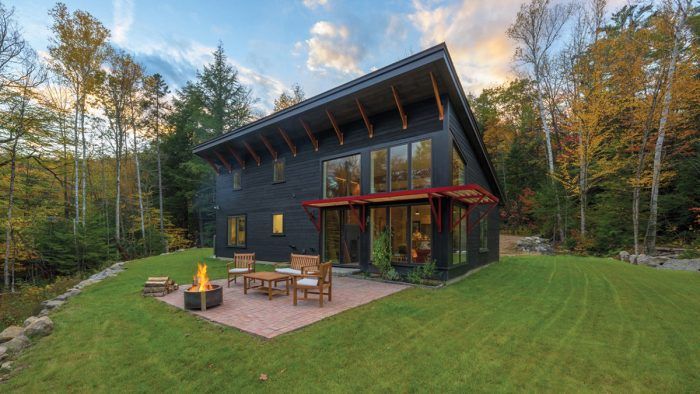
Designing a net-zero residence means balancing comfort with efficiency. The foundation of sustainable cooling is to reduce the need for mechanical systems through smart design, then use the most efficient equipment possible. Here are the core concepts:
- Passive cooling: Utilizing building orientation, shading, insulation, and natural ventilation to minimize heat gain and maximize comfort without active systems.
- High-performance envelopes: Well-insulated walls, roofs, and windows reduce unwanted heat transfer, lowering cooling loads.
- Efficient mechanical systems: When active cooling is needed, systems like heat pumps and energy recovery ventilators (ERVs) offer high efficiency and low emissions.
- Renewable integration: Powering cooling equipment with solar or other renewables further reduces environmental impact.
Combining these strategies ensures that cooling needs are minimized and met as sustainably as possible.
Types of Cooling Systems for Net-Zero Residences
Choosing the right equipment is central to any cooling systems net-zero homes guide. Below are the most common options, each with unique benefits and considerations:
Air Source Heat Pumps
Modern air source heat pumps provide both heating and cooling with impressive efficiency. They transfer heat between the indoors and outdoors, using electricity to move rather than generate heat. Many models achieve high seasonal energy efficiency ratios (SEER), making them ideal for net-zero applications.
Ductless Mini-Split Systems
Mini-split systems are a popular choice for their flexibility and efficiency. They allow for zoned cooling, meaning you can control temperatures in different rooms independently. This reduces wasted energy and enhances comfort.
Ground Source (Geothermal) Heat Pumps
Geothermal systems use the stable temperature of the earth to provide cooling (and heating). While installation costs are higher, their operating efficiency is unmatched, making them a strong choice for long-term energy savings in net-zero homes.
Energy Recovery Ventilators (ERVs)
ERVs improve indoor air quality and reduce cooling loads by exchanging stale indoor air with fresh outdoor air, while capturing and transferring energy between the two. This helps maintain comfort without significant energy loss.
Evaporative Coolers
In dry climates, evaporative (swamp) coolers can be a low-energy alternative to traditional air conditioning. They use water evaporation to cool air, consuming far less electricity than compressor-based systems.
Passive Cooling Strategies for Net-Zero Living
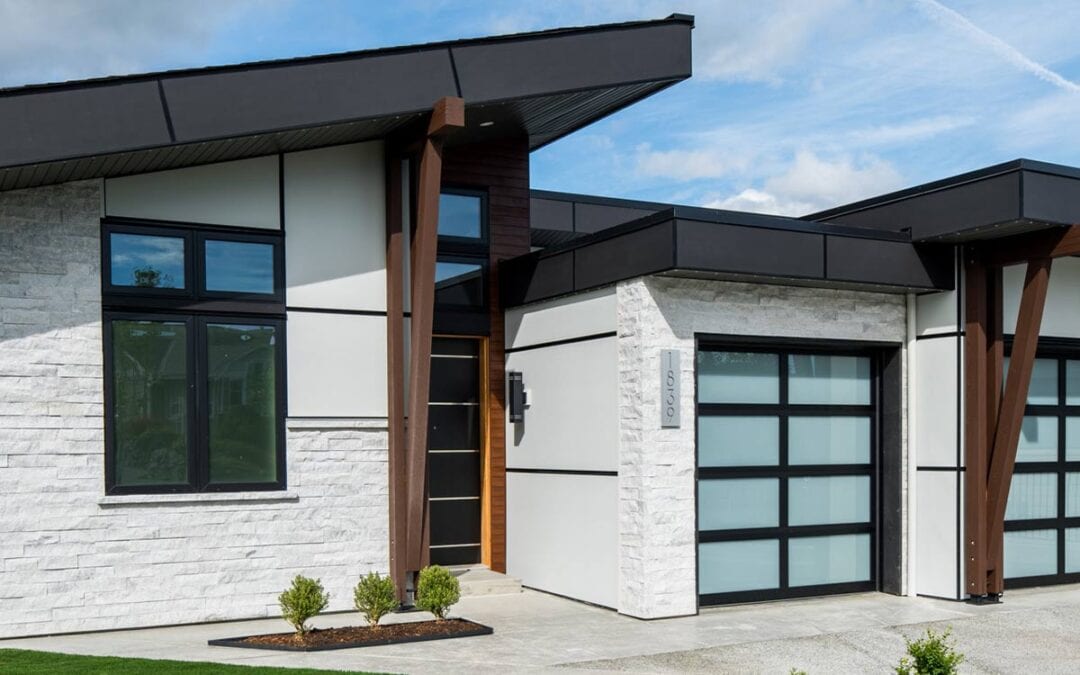
Reducing reliance on mechanical systems is a hallmark of net-zero design. Passive cooling techniques can significantly lower indoor temperatures and energy use:
- Shading: Use overhangs, awnings, and vegetation to block direct sunlight from windows and walls.
- Window placement and glazing: Position windows to encourage cross-ventilation and select glazing that limits solar heat gain.
- Thermal mass: Incorporate materials like concrete or stone that absorb heat during the day and release it at night.
- Cool roofs and reflective surfaces: Light-colored or reflective roofing materials reduce heat absorption.
- Night ventilation: Open windows at night to flush out heat and cool the home naturally.
Integrating these elements during the design phase maximizes their effectiveness and reduces the need for active cooling.
Smart Controls and Energy Monitoring
Modern net-zero homes benefit from advanced controls and monitoring. Smart thermostats, zoning systems, and real-time energy monitors help optimize cooling system performance and energy use. Devices like the Emporia Vue 3 allow homeowners to track consumption and identify opportunities for further efficiency gains.
Thermal imaging cameras are also valuable for detecting insulation gaps and air leaks, ensuring that your cooling system isn’t working harder than necessary. These tools support proactive maintenance and continuous improvement.
Integrating Cooling with Renewable Energy and Storage
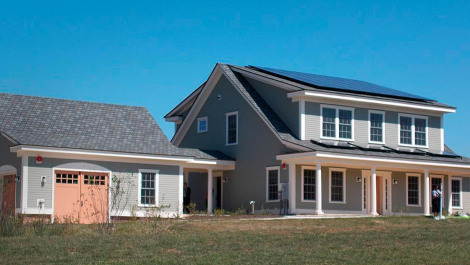
Pairing cooling systems with on-site renewable energy, such as solar panels, is a powerful way to offset electricity use. Smart integration ensures that cooling loads are met when renewable generation is highest, reducing grid reliance and emissions. For more on this synergy, see our article on renewable energy integration for net-zero homes.
Energy storage solutions, like batteries, can further enhance flexibility by storing excess solar power for use during peak cooling periods. Learn more about maximizing power with our energy storage systems net-zero housing guide.
Best Practices for Selecting and Maintaining Cooling Equipment
When choosing a cooling system for a net-zero home, consider these best practices:
- Size equipment based on accurate load calculations to avoid oversizing and inefficiency.
- Prioritize ENERGY STAR-rated or equivalent high-efficiency models.
- Ensure proper installation and commissioning for optimal performance.
- Schedule regular maintenance, including filter changes and system inspections.
- Monitor performance with smart devices to catch issues early and maintain peak efficiency.
For off-grid or fully independent projects, see our resource on off grid net-zero home systems for additional considerations.
Cost, Incentives, and Long-Term Value
While high-efficiency cooling systems and passive design features may have higher upfront costs, the long-term savings on energy bills and reduced maintenance often outweigh initial investments. Many regions offer incentives, rebates, or tax credits for installing qualifying equipment or renewable energy systems. Homeowners should research local programs and factor these into their decision-making process.
For those interested in the construction side, this net-zero home building overview provides additional insights into integrating sustainable cooling from the ground up.
FAQ: Cooling and Comfort in Net-Zero Homes
What is the most efficient cooling system for a net-zero home?
Air source and ground source heat pumps are among the most efficient options, especially when paired with smart controls and powered by renewable energy. The best choice depends on climate, budget, and specific home design.
How can I reduce cooling costs in a net-zero house?
Focus on passive design strategies, such as shading, insulation, and natural ventilation. Use high-efficiency equipment, monitor energy use, and maintain your systems regularly to keep costs low.
Are there incentives for installing sustainable cooling systems?
Yes, many governments and utilities offer rebates, tax credits, or other incentives for high-efficiency cooling equipment and renewable energy integration. Check with local authorities or energy providers for current programs.
Conclusion: Achieving Sustainable Comfort in Net-Zero Homes
Creating a comfortable, energy-efficient living space is entirely possible with the right approach to cooling. By combining passive design, advanced mechanical systems, smart controls, and renewable energy, homeowners can enjoy year-round comfort while meeting net-zero goals. Careful planning, ongoing monitoring, and regular maintenance ensure that these systems deliver both sustainability and long-term value.
