
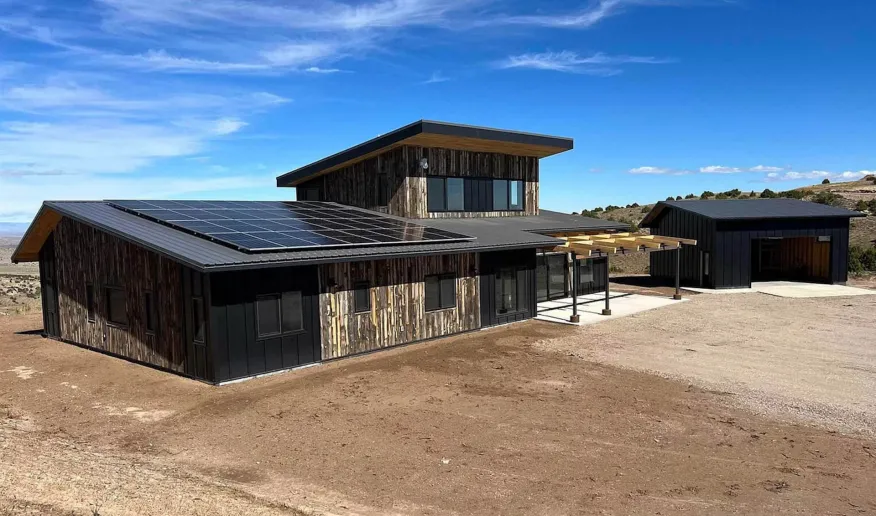
Achieving a net-zero home requires a careful balance of energy efficiency, renewable energy generation, and intelligent climate control. Among the most effective tools for managing indoor comfort and reducing energy waste are smart thermostats. These devices have become essential for homeowners aiming to minimize their carbon footprint and optimize energy use. By integrating advanced sensors, learning algorithms, and connectivity features, smart thermostats help maintain ideal temperatures while supporting the broader goals of net-zero living.
In this article, we’ll explore how these innovative devices contribute to sustainable homes, their key features, and practical strategies for maximizing their benefits. If you’re interested in related systems, our cooling systems net-zero homes guide offers additional insights into sustainable comfort solutions.
Why Intelligent Temperature Control Matters in Sustainable Homes
For homes striving to reach net-zero energy status, every watt counts. Heating and cooling typically account for a significant portion of household energy consumption. Traditional thermostats often lead to unnecessary energy use due to rigid schedules or manual adjustments. In contrast, smart thermostats for net-zero homes adapt to your lifestyle, occupancy patterns, and even local weather, ensuring energy is used only when and where it’s needed.
By learning your preferences and automating climate control, these devices can help reduce energy waste, lower utility bills, and support the seamless integration of renewable energy sources like solar panels. This synergy is crucial for maintaining comfort while achieving true net-zero performance.
Key Features of Smart Thermostats for Energy-Efficient Living
Not all smart thermostats are created equal. When selecting a device for a high-performance home, consider the following features that enhance both comfort and efficiency:
- Learning Algorithms: Many models use artificial intelligence to learn your schedule and automatically adjust settings for optimal efficiency.
- Remote Access: Control your home’s temperature from anywhere using a smartphone app, ensuring you never heat or cool an empty house.
- Integration with Other Smart Devices: Compatibility with smart home platforms and other energy management tools allows for holistic control.
- Geofencing: Some thermostats detect when you’re approaching or leaving home, adjusting temperatures automatically to save energy.
- Energy Usage Reports: Detailed analytics help you track consumption and identify opportunities for further savings.
- Weather Response: Advanced models adjust settings based on real-time weather data, maximizing comfort and efficiency.
How Smart Thermostats Support Net-Zero Goals
The integration of smart thermostats in net-zero homes goes beyond simple convenience. These devices play a pivotal role in the broader energy ecosystem:
- Optimizing Renewable Energy Use: By aligning heating and cooling schedules with periods of peak solar or wind generation, smart thermostats help maximize the use of clean energy.
- Reducing Peak Demand: Intelligent scheduling can shift energy use away from peak hours, reducing strain on the grid and supporting community-wide sustainability efforts.
- Enhancing Comfort and Health: Consistent temperature control and improved air quality management contribute to a healthier indoor environment.
- Supporting High-Efficiency HVAC: When paired with advanced systems like those described in our HVAC systems net-zero homes resource, smart thermostats unlock even greater efficiency gains.
Installation and Integration Tips for Maximum Efficiency
To get the most from your smart thermostat, proper installation and integration with your home’s systems are essential. Here are some practical tips:
- Choose a Compatible Model: Ensure your thermostat works with your HVAC system, whether it’s a heat pump, radiant floor, or high-efficiency furnace. For advanced systems, see our high efficiency HVAC net-zero homes guide.
- Optimal Placement: Install the thermostat away from direct sunlight, drafts, and heat sources for accurate readings.
- Connect to Wi-Fi: Enable remote access and software updates for the latest features and security enhancements.
- Integrate with Other Devices: Pair your thermostat with sensors, smart vents, and home automation platforms for comprehensive control.
- Review Energy Reports: Use the provided analytics to adjust schedules and settings for continuous improvement.
Smart Thermostats and Renewable Energy Synergy
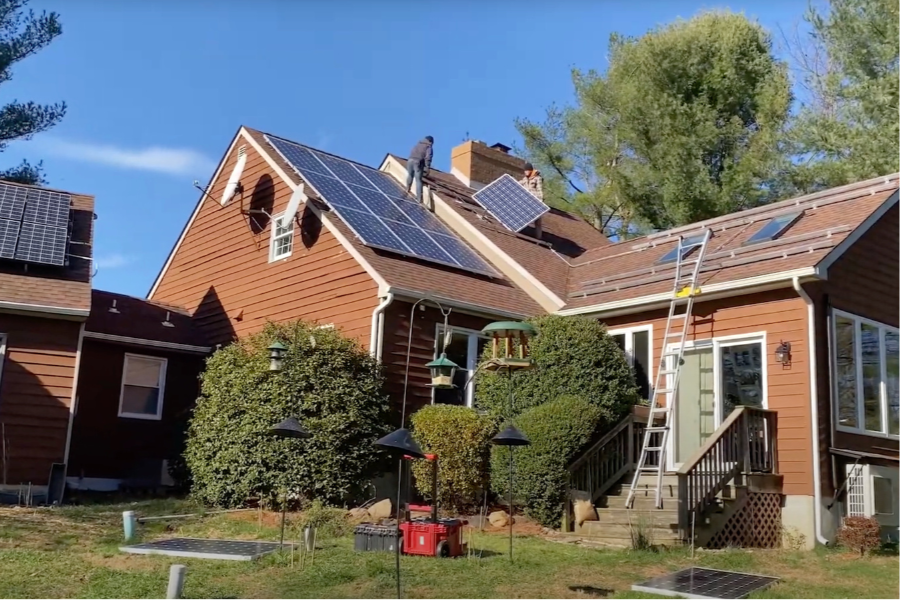
The true power of intelligent climate control emerges when paired with on-site renewable generation. For example, a smart thermostat can pre-cool or pre-heat your home during periods of high solar output, storing comfort for later and reducing reliance on the grid. This approach is especially effective in homes with battery storage or advanced energy management systems.
If you’re considering solar or other renewables, resources like this guide to making your home net-zero offer practical steps for integrating clean energy with smart controls.
Common Challenges and How to Overcome Them
While the benefits of smart climate control are clear, some homeowners encounter challenges during setup or daily use. Here are solutions to common issues:
- Compatibility Issues: Double-check that your thermostat supports your HVAC system type. Consult manufacturer documentation or seek professional installation if unsure.
- Connectivity Problems: Reliable Wi-Fi is essential for remote access and updates. Consider upgrading your router or using a mesh network for larger homes.
- Learning Curve: Give the device time to learn your patterns. Most models improve accuracy and efficiency after a few weeks of use.
- Integration with Other Systems: For complex setups, such as those involving heat recovery or advanced ventilation, refer to our heat recovery ventilation net-zero homes article for integration tips.
FAQs About Smart Thermostats and Net-Zero Living
- How do smart thermostats help reduce energy bills in sustainable homes?
- By automatically adjusting heating and cooling based on occupancy, weather, and learned preferences, these devices minimize unnecessary energy use. This leads to lower utility costs and supports the net-zero goal.
- Can I install a smart thermostat myself, or do I need a professional?
- Many models are designed for DIY installation and come with step-by-step instructions. However, if your HVAC system is complex or you’re unsure about wiring, professional installation is recommended for optimal performance.
- What other technologies complement smart thermostats in energy-efficient homes?
- High-efficiency HVAC systems, heat recovery ventilators, smart vents, and renewable energy sources like solar panels all work together to maximize efficiency. For more on heating options, see our energy efficient heating net-zero construction guide.
- Do smart thermostats work with all types of HVAC systems?
- Most modern smart thermostats are compatible with a wide range of systems, including forced air, heat pumps, and radiant heating. Always check compatibility before purchasing.
Conclusion: Making the Most of Smart Climate Control
Smart thermostats are a cornerstone of modern, energy-efficient homes. By leveraging automation, connectivity, and integration with renewable energy, these devices make it easier than ever to maintain comfort while minimizing environmental impact. As part of a comprehensive strategy—including efficient HVAC, renewable generation, and airtight construction—intelligent temperature management brings the vision of net-zero living within reach.
For those committed to sustainable living, investing in a smart thermostat is a practical step toward a more efficient, comfortable, and environmentally responsible home.
