
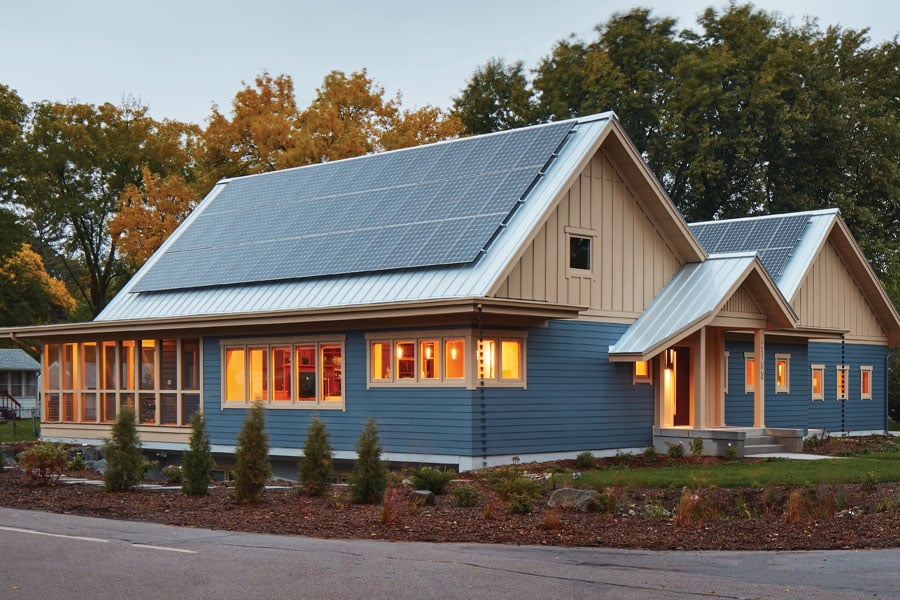
Building homes that achieve net-zero energy performance is becoming a priority for homeowners, builders, and policymakers. A crucial part of this process is selecting energy efficient heating solutions that align with the goals of net-zero construction. These systems not only reduce energy consumption but also ensure comfort, cost savings, and environmental responsibility.
In this guide, you’ll discover the leading heating technologies and strategies for sustainable building projects. We’ll cover the most effective methods, discuss their benefits, and highlight how they integrate with other net-zero systems. For a deeper dive into advanced climate control, see high efficiency HVAC net-zero homes for more insights on modern systems that complement efficient heating.
Understanding Heating Needs in Sustainable Homes
Net-zero buildings are designed to produce as much energy as they consume over the course of a year. Achieving this balance requires a holistic approach, where heating plays a pivotal role. The right heating system minimizes energy waste and leverages renewable sources whenever possible. This not only helps the environment but also leads to long-term savings for homeowners.
Before selecting a heating method, it’s essential to consider factors such as climate, insulation, airtightness, and integration with other systems like ventilation and cooling. Many net-zero projects also incorporate renewable energy integration net-zero homes to further reduce reliance on fossil fuels.
Top Heating Methods for Net-Zero Construction
Several advanced technologies and design strategies are available for those seeking energy efficient heating in sustainable buildings. Here are the most effective options:
1. Air Source Heat Pumps (ASHPs)
Air source heat pumps are among the most popular choices for net-zero homes. They extract heat from the outside air—even in cold climates—and transfer it indoors. Modern ASHPs are highly efficient, providing up to three times more heat energy than the electricity they consume.
- Efficiency: Seasonal Coefficient of Performance (COP) often exceeds 3.0.
- Integration: Works well with solar PV and energy storage systems.
- Versatility: Many models offer both heating and cooling.
2. Ground Source (Geothermal) Heat Pumps
Ground source heat pumps use the stable temperature of the earth to provide heating. While installation costs are higher, their efficiency and longevity make them a strong choice for net-zero projects.
- Efficiency: COP values typically range from 3.5 to 5.0.
- Longevity: Underground loops can last 50+ years.
- Low Operating Costs: Reduced energy bills over time.
3. Radiant Floor Heating
Radiant systems circulate warm water or electricity through floors, providing even, comfortable heat. When paired with heat pumps or solar thermal systems, radiant floors can be exceptionally efficient.
- Comfort: Even heat distribution, no drafts.
- Efficiency: Lower operating temperatures reduce energy use.
- Compatibility: Works well with renewable energy sources.

4. Solar-Assisted Heating
Solar thermal panels can preheat water or air, reducing the load on primary heating systems. When combined with efficient heat pumps or radiant floors, solar heating can significantly lower energy demand.
- Renewable: Directly harnesses solar energy.
- Supplemental: Reduces reliance on grid electricity or gas.
- Synergy: Pairs well with other net-zero technologies.
5. High-Performance Building Envelope
Even the most advanced heating system will struggle in a poorly insulated home. A high-performance envelope—featuring airtight construction, triple-pane windows, and robust insulation—minimizes heat loss and allows smaller, more efficient heating systems to perform optimally.
- Reduced Load: Smaller systems required, lowering upfront costs.
- Comfort: Fewer drafts and more stable indoor temperatures.
- Durability: Protects against moisture and air infiltration.
Smart Controls and Monitoring for Maximum Efficiency
Modern net-zero homes benefit from smart thermostats, zoning controls, and real-time energy monitoring. These technologies help homeowners fine-tune heating schedules, identify inefficiencies, and maximize comfort while minimizing energy use. Products like the Emporia Vue 3 and thermal imaging cameras can help track performance and locate heat loss areas for targeted improvements.
For more on integrating smart systems, visit HVAC systems net-zero homes to see how advanced controls contribute to whole-home efficiency.

Integrating Heating with Renewable Energy and Storage
To reach true net-zero status, heating systems must work in harmony with renewable energy sources and storage solutions. Solar photovoltaic panels, wind turbines, and battery storage can all contribute to meeting a home’s energy needs. For a comprehensive look at system synergy, see renewable energy integration net-zero homes and energy storage systems net-zero housing for guidance on maximizing power and efficiency.
Proper integration ensures that heating systems operate when renewable energy is available, storing excess energy for later use and minimizing grid dependence. This approach not only reduces emissions but also protects homeowners from rising energy costs.
Best Practices for Selecting and Installing Efficient Heating
Choosing the right heating solution for a sustainable home involves more than picking the latest technology. Here are some best practices to ensure success:
- Conduct a thorough energy model to determine heating loads and system sizing.
- Prioritize envelope improvements before investing in mechanical systems.
- Work with experienced professionals who understand net-zero principles.
- Plan for future upgrades by installing infrastructure for solar, storage, or smart controls.
- Monitor performance regularly to identify opportunities for further efficiency gains.
For a foundational overview of sustainable building, visit the basics of net-zero housing to understand the essential principles and requirements.
FAQ: Energy Efficient Heating and Net-Zero Building
What is the most efficient heating system for a net-zero home?
Ground source heat pumps and air source heat pumps are generally the most efficient options, especially when combined with a high-performance building envelope and smart controls. The best choice depends on climate, site conditions, and integration with other systems.
Can radiant floor heating be used in net-zero construction?
Yes, radiant floor heating is an excellent match for net-zero projects, especially when paired with heat pumps or solar thermal systems. It offers even heat distribution and operates efficiently at lower temperatures.
How important is insulation for energy efficient heating?
Insulation is critical. A well-insulated and airtight building envelope reduces heat loss, allowing smaller and more efficient heating systems to maintain comfort with less energy. This is a foundational step in achieving net-zero performance.
Do I need solar panels to achieve net-zero heating?
While not strictly required, solar panels are a common and effective way to offset the energy used by heating systems. Combining efficient heating with renewable energy generation is the most reliable path to net-zero status.
Conclusion
Adopting energy efficient heating strategies is essential for anyone pursuing net-zero construction. By combining advanced technologies like heat pumps, radiant floors, and solar-assisted systems with a robust building envelope and smart controls, homeowners can achieve comfort, savings, and sustainability. For those interested in off-grid solutions, explore off grid net-zero home systems for insights on achieving total independence.
With careful planning and the right approach, net-zero homes are within reach—delivering benefits for both people and the planet.
