
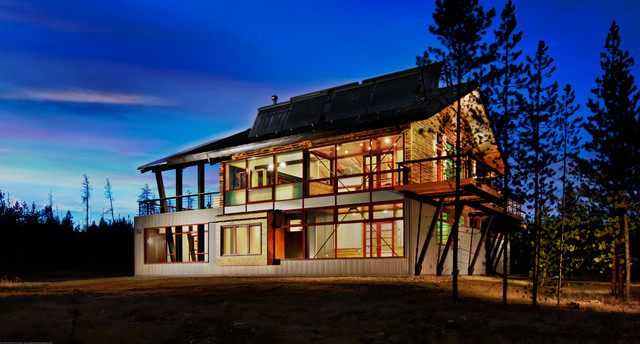
LEED net-zero homes explained is a topic gaining attention as more homeowners and builders seek to reduce environmental impact and energy costs. These residences combine the rigorous standards of LEED (Leadership in Energy and Environmental Design) with the ambitious goal of net-zero energy use—meaning the home produces as much energy as it consumes over the course of a year. Understanding how these sustainable buildings are designed, certified, and maintained can help you make informed decisions whether you’re building new, renovating, or simply interested in green living.
In this article, we’ll break down what makes a home both LEED-certified and net-zero, explore the benefits and challenges, and provide practical steps for achieving high sustainability in residential construction. For those interested in the certification process, you can learn more about the net-zero energy certification process and how it fits into the broader green building movement.
Understanding LEED and Net-Zero Energy Homes
LEED is a globally recognized green building certification program developed by the U.S. Green Building Council. It evaluates buildings based on sustainability, energy efficiency, water usage, indoor air quality, and material selection. A LEED-certified home meets strict criteria for environmental responsibility and resource efficiency.
Net-zero energy homes, on the other hand, are designed so that the total amount of energy used annually is roughly equal to the amount of renewable energy created on-site. This is typically achieved through a combination of high-performance building envelopes, efficient systems, and renewable energy sources like solar panels.
When these two concepts are combined, the result is a residence that not only minimizes its environmental footprint but also operates at the highest levels of efficiency and comfort. For a deeper dive into the standards involved, see the net-zero home certification standards guide.
Key Features of High-Performance Green Homes
Homes that meet both LEED and net-zero criteria share several important characteristics:
- Efficient Building Envelope: Superior insulation, high-performance windows, and airtight construction reduce heat loss and gain, minimizing the need for heating and cooling.
- Renewable Energy Production: Solar photovoltaic (PV) panels are the most common solution, but wind or geothermal systems may also be used depending on location.
- Advanced HVAC Systems: High-efficiency heating, ventilation, and air conditioning systems, often paired with smart controls, optimize comfort and reduce energy use. Learn more about climate control for net-zero housing and how advanced systems contribute to sustainability.
- Water Conservation: Low-flow fixtures, rainwater harvesting, and drought-tolerant landscaping help reduce water consumption.
- Sustainable Materials: Use of recycled, locally sourced, or rapidly renewable materials reduces the environmental impact of construction.
- Healthy Indoor Environment: Low-VOC paints, proper ventilation, and moisture control improve indoor air quality for occupants.
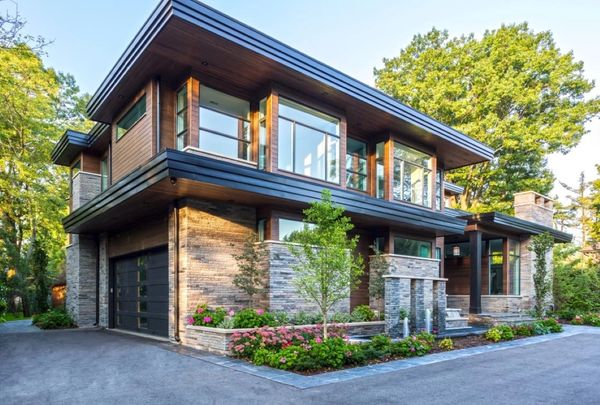
Steps to Achieve LEED and Net-Zero Certification
Building a home that meets both LEED and net-zero standards involves careful planning and execution. Here’s a step-by-step overview:
- Set Clear Sustainability Goals: Define your targets for energy use, water conservation, and indoor air quality early in the design process.
- Assemble the Right Team: Work with architects, builders, and consultants experienced in green building and energy modeling.
- Design for Efficiency: Orient the home to maximize passive solar gain, minimize thermal bridging, and optimize natural ventilation.
- Choose Certified Materials: Select products that are LEED-compliant and have low environmental impact.
- Install Renewable Energy Systems: Size and install solar panels or other renewable energy sources to meet projected energy needs.
- Commission and Test: Use tools like blower door tests and thermal imaging cameras to verify airtightness and insulation quality. Smart energy monitors can help track actual energy use and identify areas for improvement.
- Document and Certify: Submit all required documentation for LEED and net-zero certification, including energy models, material lists, and test results.
For a detailed, step-by-step breakdown, refer to this comprehensive guide to designing a net-zero home.
Benefits of Sustainable, Energy-Positive Living
Choosing a home that meets both LEED and net-zero criteria offers a range of advantages:
- Lower Utility Bills: By generating as much energy as you use, you can drastically reduce or even eliminate monthly energy costs.
- Improved Comfort: Superior insulation and advanced climate control systems keep indoor temperatures stable year-round. Explore how radiant floor heating can add comfort and efficiency to sustainable homes.
- Healthier Indoor Air: Enhanced ventilation and non-toxic materials contribute to better air quality and occupant well-being.
- Environmental Impact: Reduced greenhouse gas emissions and resource consumption help combat climate change and preserve natural resources.
- Increased Property Value: Green-certified homes often command higher resale values and attract environmentally conscious buyers.
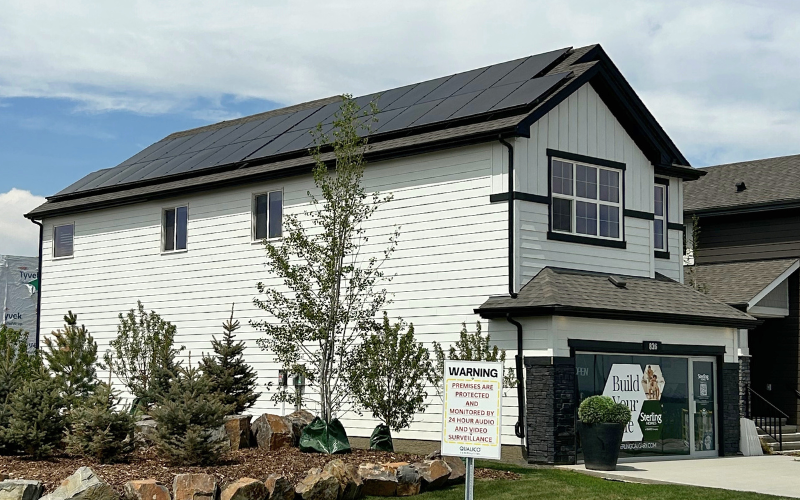
Smart Technologies and Monitoring for Sustainable Homes
Modern green homes increasingly rely on smart technologies to optimize energy use and comfort. Devices such as smart thermostats, energy monitors, and automated lighting systems help homeowners track consumption and adjust settings for maximum efficiency. For example, smart thermostats can learn your schedule and adjust heating and cooling automatically, while energy monitors provide real-time feedback on electricity use.
Thermal imaging cameras are valuable tools for identifying heat leaks and insulation gaps, ensuring that the building envelope performs as intended. These technologies not only support the achievement of net-zero goals but also make it easier to maintain high performance over time.
Challenges and Considerations
While the benefits are substantial, there are challenges to achieving both LEED certification and net-zero energy status:
- Upfront Costs: High-performance materials, renewable energy systems, and certification fees can increase initial expenses. However, long-term savings on energy bills often offset these costs.
- Design Complexity: Achieving both standards requires careful coordination among architects, engineers, and contractors. Early planning and integrated design are essential.
- Site Limitations: Not all locations are suitable for solar panels or other renewable systems due to shading, orientation, or local regulations.
- Certification Process: Documentation and third-party verification can be time-consuming, but they ensure that the home meets rigorous standards.
Despite these hurdles, many homeowners find that the benefits—both personal and environmental—make the effort worthwhile.
FAQ
What Is the Difference Between LEED and Net-Zero Certification?
LEED certification focuses on a broad range of sustainability criteria, including energy, water, materials, and indoor air quality. Net-zero certification specifically verifies that a home produces as much energy as it consumes over a year. While LEED homes are highly efficient, not all are net-zero. Combining both ensures a home is both environmentally responsible and energy self-sufficient.
How Much More Does It Cost to Build a LEED Net-Zero Home?
Costs vary depending on location, design, and technology choices. On average, building to these standards can add 5–15% to construction costs. However, incentives, rebates, and long-term energy savings can help offset the initial investment.
Can Existing Homes Be Upgraded to Meet These Standards?
Yes, many existing homes can be retrofitted with better insulation, efficient systems, and renewable energy sources. While it may be more challenging than starting from scratch, significant improvements in sustainability and energy performance are possible with the right approach.
Where Can I Learn More About Certification Standards?
For further details on the requirements and process, see the in-depth resource on net-zero home certification standards.
