
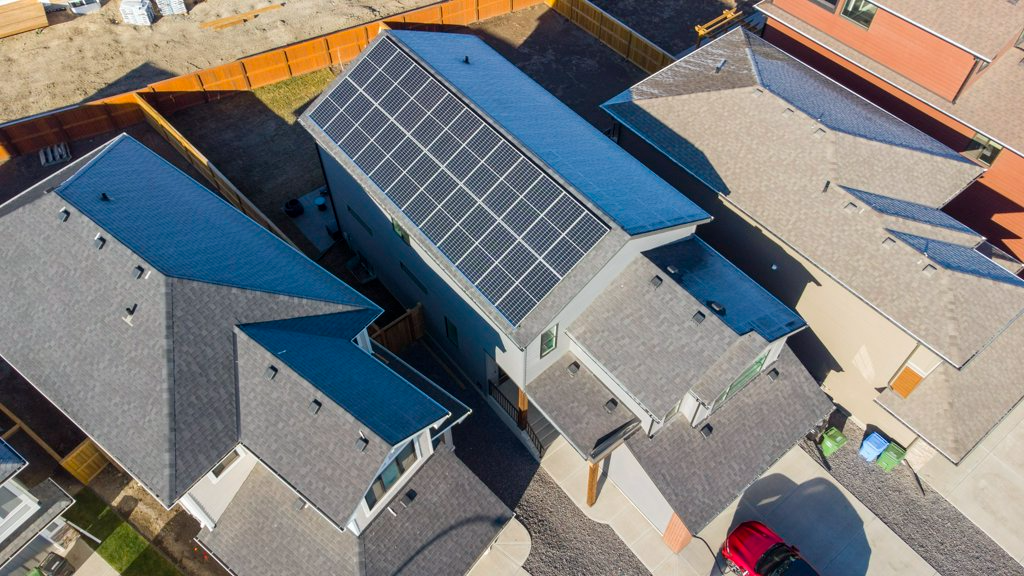
As the demand for sustainable living grows, more homeowners and builders are turning to net-zero homes—houses designed to produce as much energy as they consume annually. Achieving this ambitious goal requires not only innovative design and technology but also strict adherence to building codes for net-zero homes. These codes ensure that energy efficiency, safety, and environmental standards are met throughout the construction process.
Understanding how regulations apply to energy-efficient homes is essential for anyone planning to build or renovate. This article explores the evolving landscape of compliance, highlights key requirements, and offers practical tips for navigating the regulatory environment. For those interested in related topics, improving indoor air quality in net-zero homes is another important consideration for health and comfort.
Understanding the Regulatory Landscape for Energy-Efficient Homes
Regulations for sustainable homes are evolving rapidly. Many jurisdictions are updating their codes to support the construction of energy-efficient dwellings, including those that achieve net-zero status. These codes typically address:
- Thermal envelope requirements (insulation, air sealing, windows)
- Mechanical system efficiency (HVAC, water heating, ventilation)
- On-site renewable energy generation (solar panels, wind turbines)
- Water conservation and waste management
- Indoor air quality and occupant health
Staying up to date with local, state, and national regulations is crucial. In the United States, the International Energy Conservation Code (IECC) and the International Residential Code (IRC) are frequently referenced, but some states and municipalities have adopted even stricter standards for new construction.
Key Elements of Building Codes for Net-Zero Homes
To comply with building codes net-zero homes must meet, it’s important to focus on several core areas:
1. High-Performance Building Envelope
The building envelope is the first line of defense against energy loss. Codes often specify minimum R-values for insulation, requirements for advanced framing, and standards for air sealing. Proper installation of windows and doors, as well as minimizing thermal bridges, are essential for reducing heating and cooling loads.
2. Efficient Mechanical and Electrical Systems
Modern codes require high-efficiency heating, ventilation, and air conditioning (HVAC) systems. Heat pumps, energy recovery ventilators, and smart thermostats are common features in net-zero homes. For more on optimizing comfort and efficiency, explore radiant floor heating for net-zero homes and smart thermostats for net-zero homes.
Lighting and appliance standards also play a role. LED lighting, ENERGY STAR appliances, and advanced circuit monitoring help reduce overall consumption and are often required or incentivized by local codes.
3. Renewable Energy Integration
To reach net-zero, homes must generate as much energy as they use. Many codes now include provisions for on-site renewable energy, most commonly solar photovoltaic systems. Some areas require “solar-ready” construction, ensuring roofs are oriented and designed for future panel installation even if not installed immediately.
4. Air Quality and Ventilation
With tighter envelopes, proper ventilation becomes critical. Codes may require balanced mechanical ventilation systems to ensure a continuous supply of fresh air and to manage humidity. For detailed strategies, see ventilation strategies for net-zero homes.
Steps to Achieve Compliance with Net-Zero Building Codes
Meeting the requirements for energy-efficient homes involves careful planning and documentation. Here’s a step-by-step approach:
- Research Local Codes: Start by reviewing the specific codes and amendments in your area. Consult with local building officials and energy code experts to clarify requirements.
- Work with Qualified Professionals: Engage architects, engineers, and contractors experienced in sustainable construction. Their expertise can help you avoid costly mistakes and ensure compliance from the outset.
- Model Energy Performance: Use energy modeling software to simulate the home’s performance and demonstrate that it meets or exceeds code requirements.
- Document Everything: Keep detailed records of materials, equipment specifications, and installation methods. This documentation is often required for code inspections and certifications.
- Schedule Inspections: Plan for multiple inspections throughout the construction process, including blower door tests for air tightness and verification of insulation and mechanical systems.
Common Challenges and How to Overcome Them
While the benefits of sustainable homes are clear, navigating the regulatory process can present challenges:
- Changing Standards: Codes are updated regularly. Stay informed about upcoming changes to avoid surprises during your project.
- Cost Concerns: High-performance materials and systems can increase upfront costs. However, incentives and rebates are often available to offset expenses.
- Technical Complexity: Integrating advanced systems requires coordination among multiple trades. Early planning and clear communication are key.
For a deeper dive into advanced climate control, see the guide on climate control for net-zero housing.
Best Practices for Navigating Net-Zero Home Regulations
Successfully building a compliant, energy-efficient home involves more than just meeting minimum requirements. Consider these best practices:
- Integrate Design and Compliance Early: Involve code officials and energy consultants during the design phase to identify potential issues before construction begins.
- Leverage Third-Party Certifications: Programs like LEED, ENERGY STAR, and Passive House often align with or exceed code requirements, providing additional assurance of performance.
- Utilize Smart Technology: Monitoring tools and smart devices can help track energy use and identify areas for improvement. Products like the Emporia Vue 3 and thermal imaging cameras are valuable for ongoing performance verification.
- Stay Informed About Incentives: Many governments and utilities offer financial incentives for high-performance homes. These can help offset costs and encourage adoption of advanced technologies.
For more insights into the construction process and practical tips, see this comprehensive guide to net-zero home building.
FAQ: Building Codes and Net-Zero Home Compliance
What is the main difference between standard and net-zero home codes?
Standard codes focus on minimum safety and efficiency requirements, while those for net-zero homes emphasize much higher energy performance, integration of renewable energy, and advanced building practices to achieve zero net energy consumption.
Are net-zero requirements the same everywhere?
No, requirements vary by location. Some areas have adopted aggressive energy codes or “stretch codes” specifically for sustainable homes, while others follow national standards. Always check with your local building department for the latest regulations.
Do net-zero homes cost more to build?
Initial costs can be higher due to advanced materials and systems, but long-term savings on energy bills and potential incentives often offset these expenses. Careful planning and leveraging available rebates can make net-zero construction more affordable.
