
As the demand for sustainable building grows, two approaches have become especially prominent: PHIUS Passive House and Net-Zero construction. Both aim to dramatically reduce energy consumption and environmental impact, but they use different strategies and set distinct performance benchmarks. Understanding the PHIUS passive house net-zero comparison is essential for homeowners, builders, and designers seeking the best path to energy efficiency and long-term savings.
This article explores the core principles, certification requirements, benefits, and key differences between PHIUS Passive House and Net-Zero buildings. By the end, you’ll have a clear understanding of which approach might suit your project and how each contributes to a more sustainable future. For those interested in related topics, you may also want to learn about indoor air quality net-zero homes and how it impacts health and wellness in high-performance buildings.
What Is PHIUS Passive House?
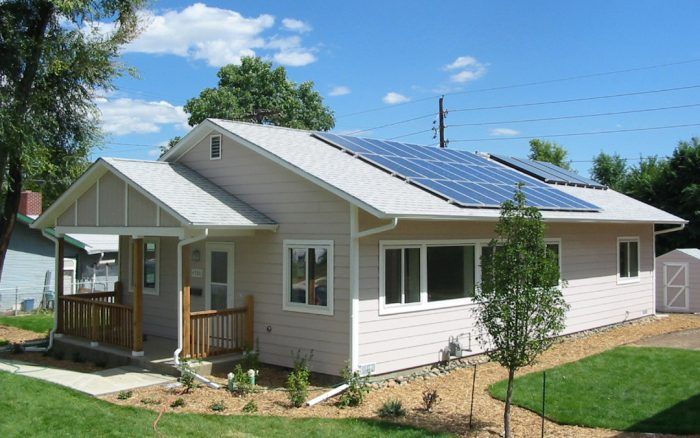
The Passive House Institute US (PHIUS) standard is a rigorous set of criteria for energy-efficient building design and construction. PHIUS adapts the original European Passive House concept to North American climates and construction practices. The focus is on minimizing energy demand for heating and cooling through a combination of superinsulation, airtight construction, high-performance windows, and balanced ventilation with heat recovery.
Key features of PHIUS-certified buildings include:
- Extremely low heating and cooling energy demand
- Continuous insulation and thermal bridge-free design
- High levels of airtightness (typically less than 0.06 CFM50/sq ft)
- Mechanical ventilation with heat or energy recovery
- Careful attention to moisture management and indoor air quality
PHIUS certification is performance-based, requiring energy modeling and on-site verification. The result is a building that uses up to 80% less energy for heating and cooling compared to conventional construction.
Understanding Net-Zero Buildings
A Net-Zero building is one that produces as much energy as it consumes over the course of a year, typically through a combination of energy efficiency and on-site renewable energy generation (such as solar panels). The goal is to achieve a net annual energy balance of zero, meaning the building’s total energy use is offset by renewable production.
Net-Zero homes and commercial buildings prioritize:
- Reducing overall energy demand through efficient design and appliances
- Generating renewable energy on-site (solar PV, wind, etc.)
- Smart controls and monitoring to optimize energy use
- Integration with the grid for energy import/export
Unlike PHIUS, Net-Zero is a performance outcome rather than a specific construction method. There are various certification programs, but the core requirement is that the building’s annual energy consumption equals or is less than its renewable generation.
For a deeper dive into how these homes maintain comfort and efficiency, see our guide on radiant floor heating net-zero homes.
PHIUS Passive House and Net-Zero: Key Differences
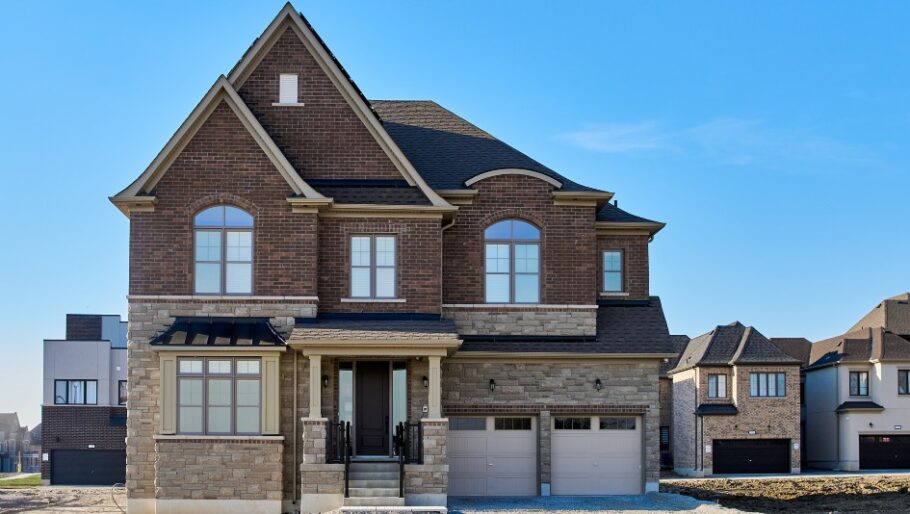
While both approaches aim for ultra-low energy use, there are important distinctions between PHIUS Passive House and Net-Zero strategies. Here’s a closer look at how they compare:
| Aspect | PHIUS Passive House | Net-Zero |
|---|---|---|
| Primary Focus | Minimize energy demand through envelope and systems | Balance energy use with on-site renewable generation |
| Certification | PHIUS+ Certification (performance-based) | Various programs (e.g., Zero Energy Ready Home, LEED Zero) |
| Energy Use | Extremely low heating/cooling loads | Annual net energy use equals zero |
| Renewables Required? | No, but can be added | Yes, to offset remaining energy use |
| Design Approach | Envelope-first, then systems | Efficiency plus renewables |
| Climate Adaptation | Climate-specific targets | Performance target is the same regardless of climate |
In summary, PHIUS Passive House prioritizes reducing energy demand to the lowest feasible level before considering renewables, while Net-Zero buildings may use a mix of efficiency and renewable energy to reach their target.
Benefits of Each Approach
Advantages of PHIUS Passive House
- Consistent comfort: Superior insulation and airtightness prevent drafts and temperature swings.
- Low operating costs: Reduced energy bills due to minimal heating and cooling needs.
- Durability: Careful moisture management and quality construction practices extend building lifespan.
- Healthier indoor air: Balanced ventilation systems improve air quality and reduce allergens. For more, see our article on ventilation strategies net-zero homes.
Advantages of Net-Zero Buildings
- Zero net energy use: Offsets all annual energy consumption with renewables.
- Environmental impact: Significantly reduces greenhouse gas emissions.
- Energy independence: Less reliance on the grid and protection from rising utility costs.
- Flexibility: Can be achieved through various combinations of efficiency and renewable technologies.
Which Is Right for Your Project?
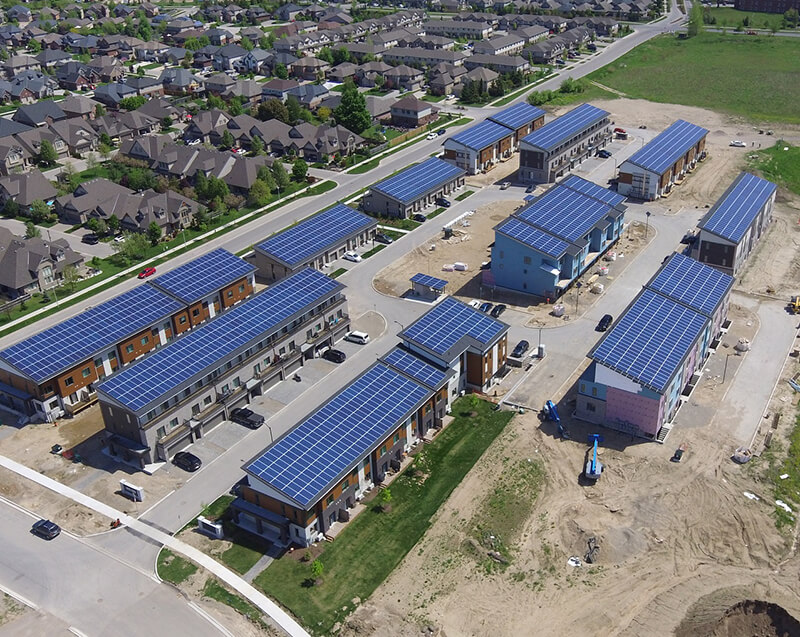
Choosing between PHIUS Passive House and Net-Zero depends on your goals, climate, and budget. If your priority is the lowest possible energy demand and exceptional comfort, PHIUS offers a proven path. If your focus is on eliminating your building’s carbon footprint and achieving true energy independence, Net-Zero may be the better fit.
Some projects even combine both: building to PHIUS standards and then adding renewables to achieve Net-Zero performance. This hybrid approach maximizes efficiency and sustainability.
For those interested in optimizing temperature and comfort in energy-efficient homes, consider exploring smart thermostats net-zero homes for advanced control solutions.
Cost Considerations and Payback
Both PHIUS Passive House and Net-Zero buildings generally have higher upfront costs than conventional construction, due to better materials, more insulation, and advanced systems. However, these costs are offset over time by lower utility bills and increased property value.
- PHIUS projects often see payback periods of 10–15 years, depending on local energy prices and incentives.
- Net-Zero homes may have longer or shorter payback, depending on the cost and output of the renewable energy system.
Financial incentives, tax credits, and local policies can significantly improve the economics of both approaches. For more details on net-zero economics, see this comprehensive explanation of net-zero buildings.
Common Challenges and Solutions
Both PHIUS Passive House and Net-Zero projects face challenges, including:
- Finding experienced designers and builders familiar with advanced standards
- Managing construction details to ensure airtightness and insulation continuity
- Balancing upfront costs with long-term savings
- Integrating renewable energy systems with building design
Solutions include working with certified professionals, using energy modeling tools, and leveraging available rebates and incentives. Ongoing education and careful planning are key to successful outcomes.
Frequently Asked Questions
Is it possible to achieve both PHIUS Passive House and Net-Zero in one building?
Yes, many projects pursue both standards. By first minimizing energy demand with PHIUS design and then adding enough renewable energy to offset remaining use, you can achieve a building that is both ultra-efficient and net-zero in operation.
Which is more cost-effective: PHIUS Passive House or Net-Zero?
Cost-effectiveness depends on climate, energy prices, and available incentives. PHIUS may have higher upfront costs due to strict envelope requirements, while Net-Zero may require a larger investment in renewables. Both approaches offer long-term savings, but payback periods vary by project.
How do these standards impact indoor air quality?
Both approaches can deliver excellent indoor air quality when designed correctly. PHIUS emphasizes balanced ventilation and airtightness, while Net-Zero homes often include advanced filtration and humidity control. For more on this topic, see our article about indoor air quality net-zero homes.
Are there smart controls that work well with these building types?
Yes, integrating smart thermostats and monitoring systems can further optimize energy use and comfort. These technologies are especially beneficial in Net-Zero homes, as discussed in our guide to smart thermostats net-zero homes.
Conclusion
Both PHIUS Passive House and Net-Zero represent leading-edge strategies for sustainable building. While their methods and certification processes differ, each offers significant benefits in energy savings, comfort, and environmental impact. By understanding the PHIUS passive house net-zero comparison, you can make informed decisions that align with your sustainability goals and budget. Whichever path you choose, the result is a healthier, more efficient, and future-ready building.
